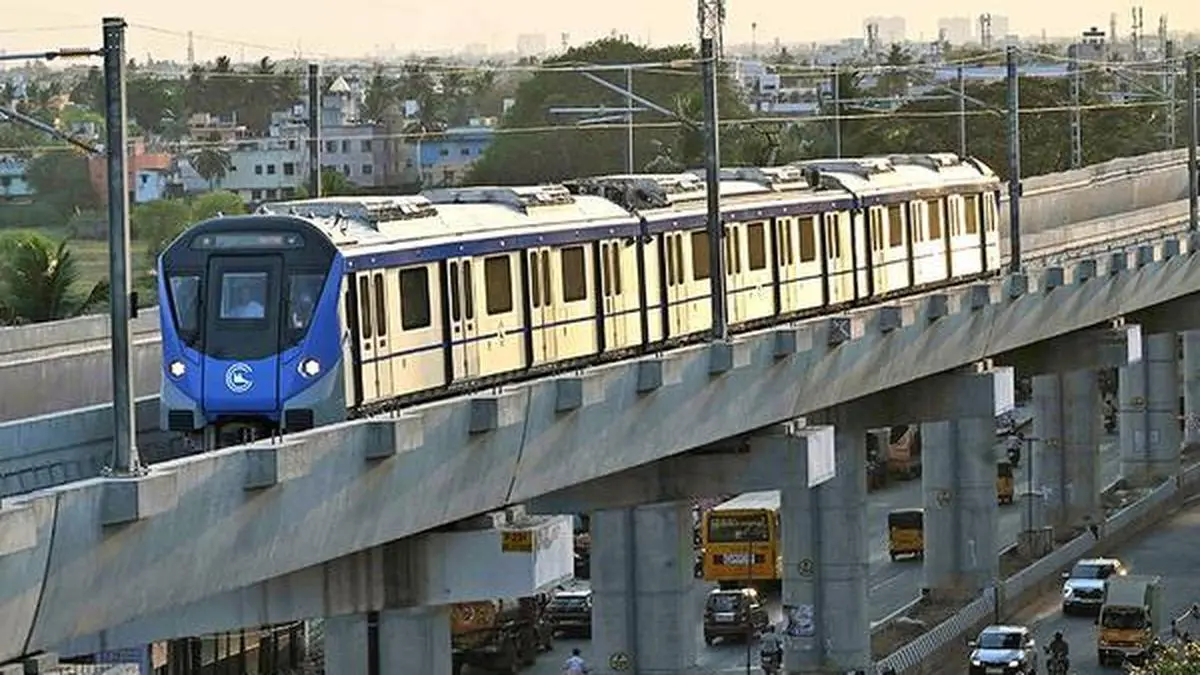
Ridership Surge and Network Utilization
Chennai Metro Rail reported a significant increase in passenger volume during April 2026. The network facilitated travel for 90,18,069 passengers throughout the month. This figure underscores the growing reliance on the urban transit system as a primary mode of transport for the city population.
The daily usage patterns reached a notable high point during this period. The system recorded a peak single day ridership of 3,65,807 passengers. Such volume levels indicate that the infrastructure is managing high-density transit demands effectively while maintaining consistent service availability.
Infrastructure and Urban Transit Context
The ability to move over 90 lakh commuters in a single month reflects the ongoing expansion of the metro network. High ridership figures often serve as a proxy for urban economic activity and the efficiency of last-mile connectivity. For transit authorities, these metrics are essential for determining future capital expenditure and service frequency adjustments.
Consistent growth in patronage suggests that the transit system is successfully capturing a larger share of daily commuters. This shift is often attributed to the reduction in travel time compared to road-based alternatives. As the network continues to integrate with other transit hubs, the focus remains on sustaining these high-volume levels without compromising service reliability.
Future Operational Markers
The next phase for the Chennai Metro involves monitoring whether these ridership levels represent a seasonal peak or a new baseline for monthly performance. Future operational reports will focus on the capacity to handle increased load during peak hours and the potential for further network extensions. Stakeholders will track subsequent monthly data to determine if the 90 lakh threshold becomes the standard for the remainder of the fiscal year. These figures provide a clear benchmark for evaluating the success of current transit policies and infrastructure investments.