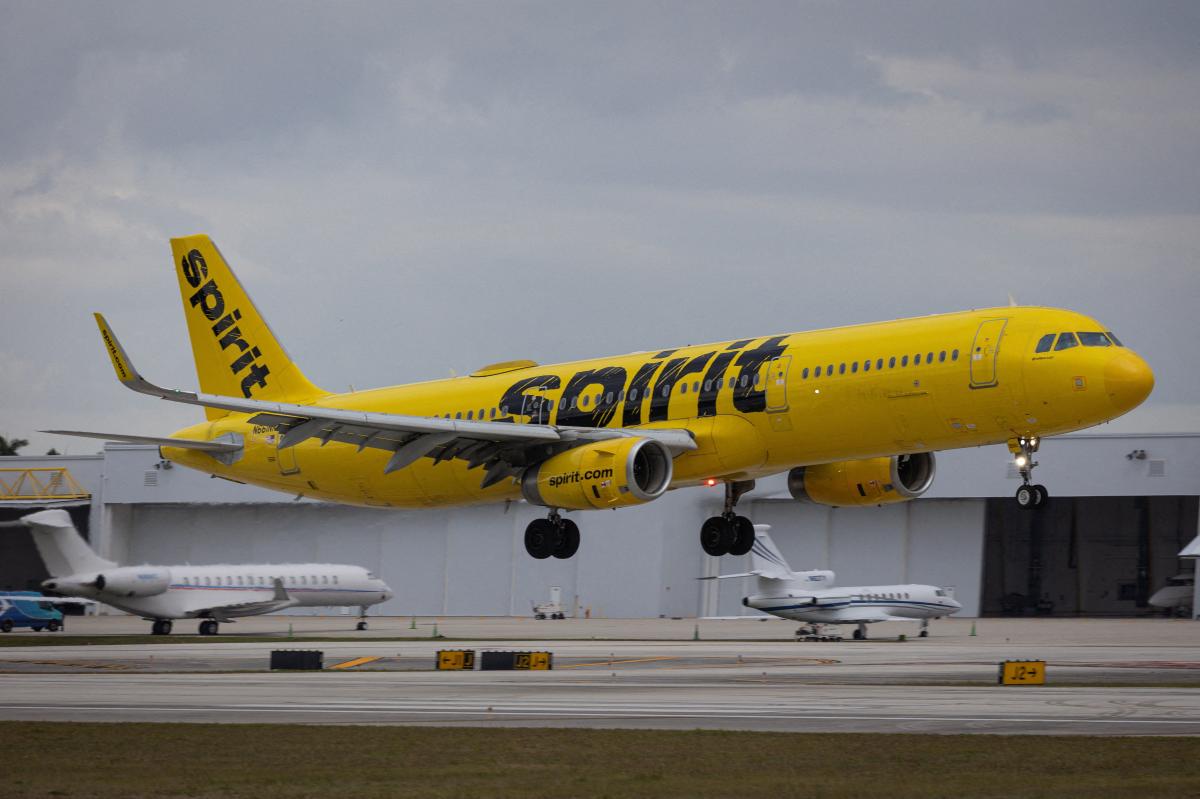
Immediate Cessation of Flight Operations
Spirit Airlines has officially ended all operations, marking the conclusion of a 34-year tenure in the aviation industry. The carrier, known for its deep discount fare model and aggressive expansion into the budget travel sector, confirmed the shutdown on Saturday. This development forces an immediate halt to all scheduled flights and necessitates a total wind-down of the company's logistical infrastructure.
Impact on the Low-Cost Carrier Sector
The sudden exit of a major budget player creates a significant void in the domestic travel market. Spirit Airlines operated as a primary competitor to legacy carriers by stripping away traditional amenities to lower ticket prices. The removal of this capacity from the market will likely force a reassessment of pricing power among remaining low-cost operators. Competitors must now determine how to absorb the sudden shift in passenger demand and whether the current pricing environment can sustain the routes previously dominated by the defunct airline.
Valuation and Operational Liquidation
Investors are now focused on the liquidation process and the recovery of residual value from the company's remaining assets. The cessation of operations triggers a complex legal and financial wind-down, where the primary objective shifts from revenue generation to the orderly disposition of aircraft, leases, and other tangible property. The speed of this transition leaves little room for a restructuring path, effectively ending the company's status as a going concern.
This event serves as a critical marker for the broader airline industry. The next concrete indicator of the fallout will be the filing of liquidation documents, which will detail the hierarchy of creditor claims and the anticipated timeline for asset sales. Market participants should monitor upcoming disclosures regarding the redistribution of gate access and route authorities, as these tangible assets will be the primary focus of surviving carriers looking to expand their footprint in the wake of this exit. For further context on how sector-wide shifts impact individual equities, see our stock market analysis.
AlphaScala currently tracks the consumer cyclical landscape, including firms like Hasbro, Inc. (HAS), which remains Unscored on our platform. The collapse of a major consumer-facing entity like Spirit Airlines often ripples through related discretionary spending categories, as travel budgets are reallocated or retracted entirely following such systemic disruptions.