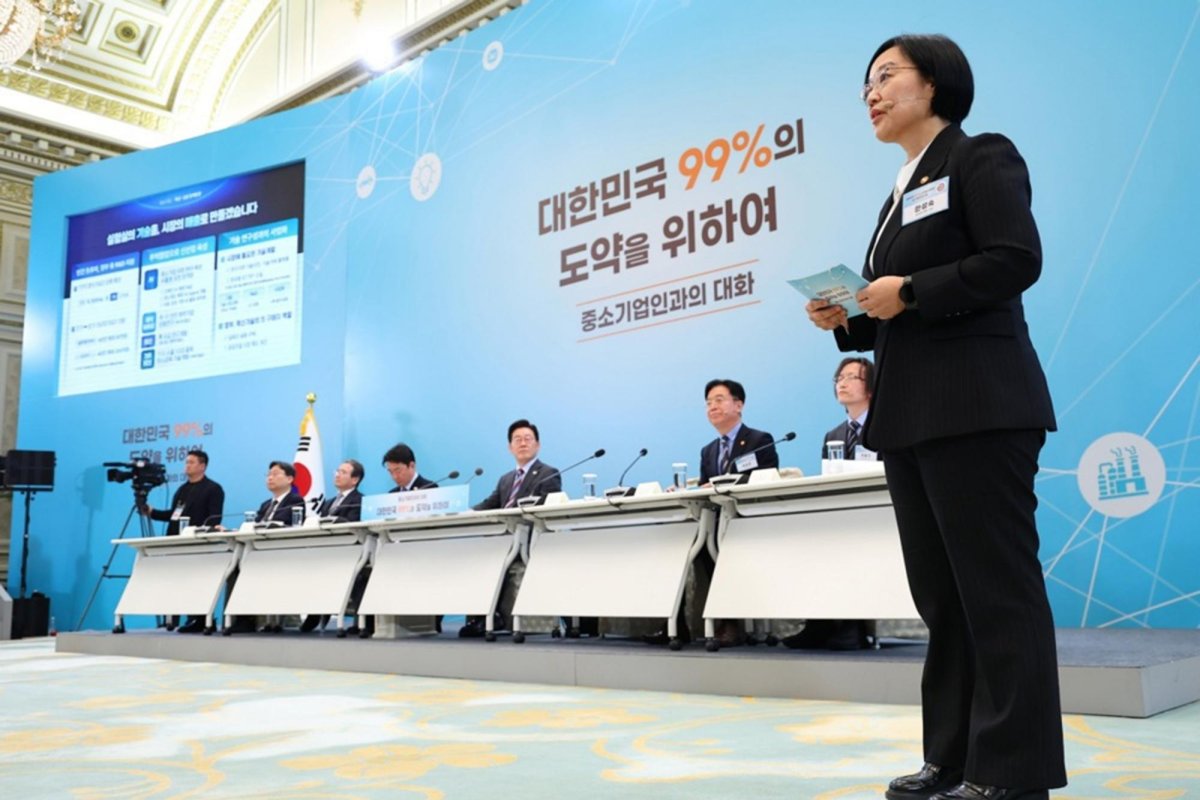
The South Korean government has initiated a 462.2 billion won, approximately $308 million, emergency support package aimed at stabilizing small and midsize enterprises and exporters facing disruptions from the ongoing conflict in the Middle East. This intervention addresses the immediate financial strain on companies grappling with supply chain volatility, rising logistics costs, and shifting trade routes that threaten the operational continuity of the nation's export-oriented economy.
Impact on Export-Dependent SMEs
South Korea maintains a high sensitivity to regional instability in the Middle East, given the reliance on energy imports and the importance of trade corridors connecting Asian manufacturers to European and African markets. The emergency funding is designed to provide a liquidity buffer for firms that have seen their margins compressed by increased freight insurance premiums and delayed shipping timelines. By injecting capital directly into these businesses, the government aims to prevent a localized liquidity crunch from cascading into broader industrial production slowdowns.
Small and midsize companies often lack the hedging instruments or the diversified supply chains of larger conglomerates, making them the most vulnerable to sudden geopolitical shocks. The support package focuses on maintaining credit lines and providing bridge financing to ensure that these entities can continue to fulfill existing contracts despite the mounting overhead. This strategy reflects a broader stock market analysis of how sovereign intervention can stabilize domestic production cycles during periods of external volatility.
Strategic Allocation of Emergency Funds
The allocation of these funds is prioritized toward sectors with high exposure to the Middle East, including manufacturing components, consumer goods, and specialized technology exports. The government is coordinating with financial institutions to streamline the disbursement process, ensuring that the capital reaches the most affected firms before the end of the current fiscal quarter. This proactive stance is intended to mitigate the risk of insolvency among smaller exporters that are critical to the national supply chain.
- Direct financial aid for operational expenses.
- Expansion of trade insurance coverage for affected shipping routes.
- Bridge loans to cover temporary revenue gaps caused by logistics delays.
This fiscal maneuver serves as a defensive measure to protect the export sector, which remains the primary engine of the South Korean economy. While the immediate focus is on survival, the government is also monitoring the long-term implications for trade policy and regional logistics. The effectiveness of this support will be measured by the ability of these firms to maintain production levels throughout the remainder of the year without requiring further state intervention.
Path Toward Stabilization
The next critical marker for this initiative will be the quarterly reporting on trade volume and SME bankruptcy rates. If the conflict persists, the government may face pressure to extend these liquidity measures or broaden the scope of the support to include larger logistics providers. Investors should look for updates on the utilization rate of these emergency funds, as this will indicate the depth of the financial distress currently being experienced by the export sector. The government's ability to maintain these credit facilities will be the primary determinant in preventing a wider economic contraction linked to trade route disruptions.