Back to Markets
Stocks● Neutral

Spivi and Les Mills Partnership Signals Shift in Fitness Tech Integration

Spivi and Les Mills Partnership Signals Shift in Fitness Tech Integration

Spivi and Les Mills US have formed a strategic partnership to integrate Les Mills cycle programming into Spivi's fitness tracking platform, aiming to streamline group fitness experiences for gyms and their members.

Spivi has entered a strategic partnership with Les Mills US to integrate the latter’s cycle programming directly into the Spivi fitness gamification and performance-tracking platform. This move marks a transition from standalone fitness software toward a model where content providers and tracking platforms form deeper technical alliances to capture gym member engagement. By embedding Les Mills content into the Spivi ecosystem, the companies aim to standardize the digital experience across fitness facilities that utilize Spivi’s existing hardware and software infrastructure.

Integration of Content and Performance Tracking

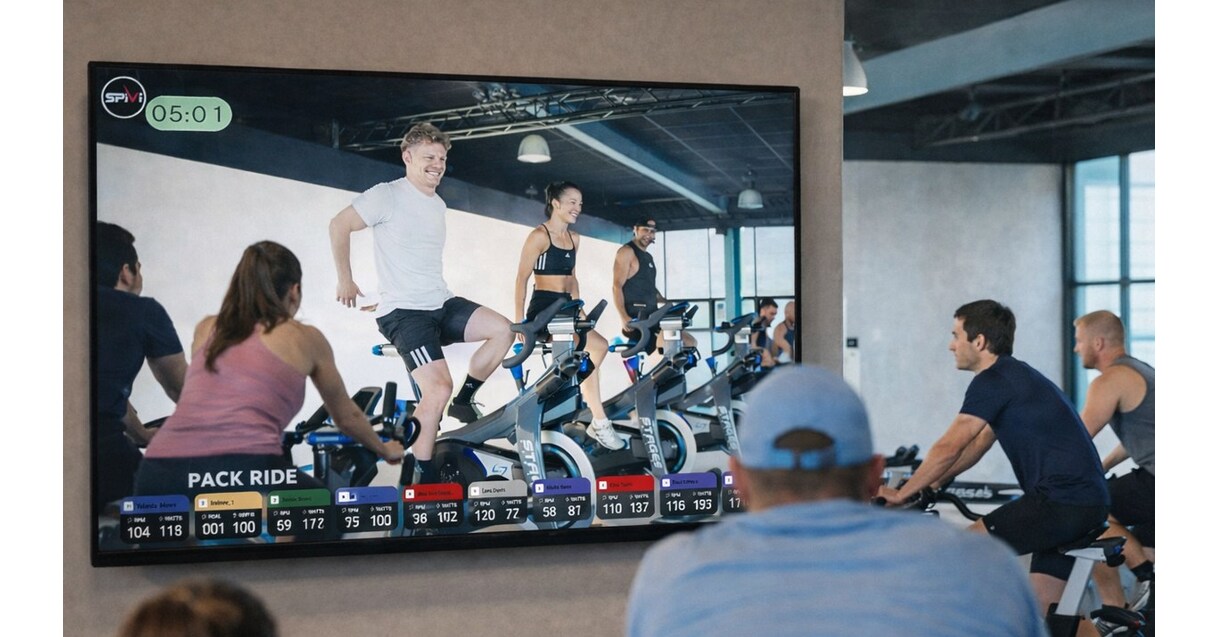
The core of this partnership rests on the technical alignment of Les Mills cycle programming with Spivi’s real-time performance metrics. Spivi provides the backend infrastructure for tracking heart rate, power output, and leaderboard competition, while Les Mills provides the structured class content. This integration allows gyms to offer a unified experience where the instructor-led content and the digital performance data are synchronized within a single interface. For fitness facilities, this reduces the friction of managing disparate systems and provides a more cohesive product for members who prioritize data-driven workouts.

This partnership also addresses the challenge of member retention in high-traffic fitness environments. By leveraging Spivi’s existing footprint in gyms, Les Mills gains immediate access to a captive audience already accustomed to performance tracking. The collaboration focuses on three primary areas of development:

  • Automated class synchronization between Les Mills content and Spivi tracking tools.
  • Enhanced data visualization for members during group cycling sessions.
  • Streamlined deployment of branded fitness content across Spivi-equipped facilities.

Impact on Fitness Facility Infrastructure

For fitness operators, the partnership simplifies the technical stack required to host premium group cycling classes. Facilities that previously struggled to bridge the gap between third-party content and proprietary tracking software now have a streamlined path to deployment. This shift reflects a broader trend in the stock market analysis of the fitness sector, where hardware-agnostic software solutions are increasingly favored over closed-loop systems. By consolidating these services, Spivi and Les Mills are positioning themselves as the default standard for facilities looking to modernize their group fitness offerings without investing in proprietary, facility-wide hardware overhauls.

This integration also creates a new baseline for how fitness platforms measure success. Success will no longer be determined solely by the number of facilities using the software, but by the depth of engagement within the classes themselves. As these platforms continue to evolve, the focus will likely shift toward how effectively they can monetize the data generated during these sessions. The next concrete marker for this partnership will be the rollout of the integrated software update to existing Spivi-enabled gyms and the subsequent reporting on class participation rates following the implementation of the new content modules. Operators will be watching to see if this integration leads to higher class attendance and improved member retention metrics in the coming quarters.

How this story was producedLast reviewed Apr 17, 2026

AI-drafted from named sources and checked against AlphaScala publishing rules before release. Direct quotes must match source text, low-information tables are removed, and thinner or higher-risk stories can be held for manual review.

Editorial Policy·Report a correction·Risk Disclaimer