Spirit Airlines Faces Liquidation After Final Bailout Offer
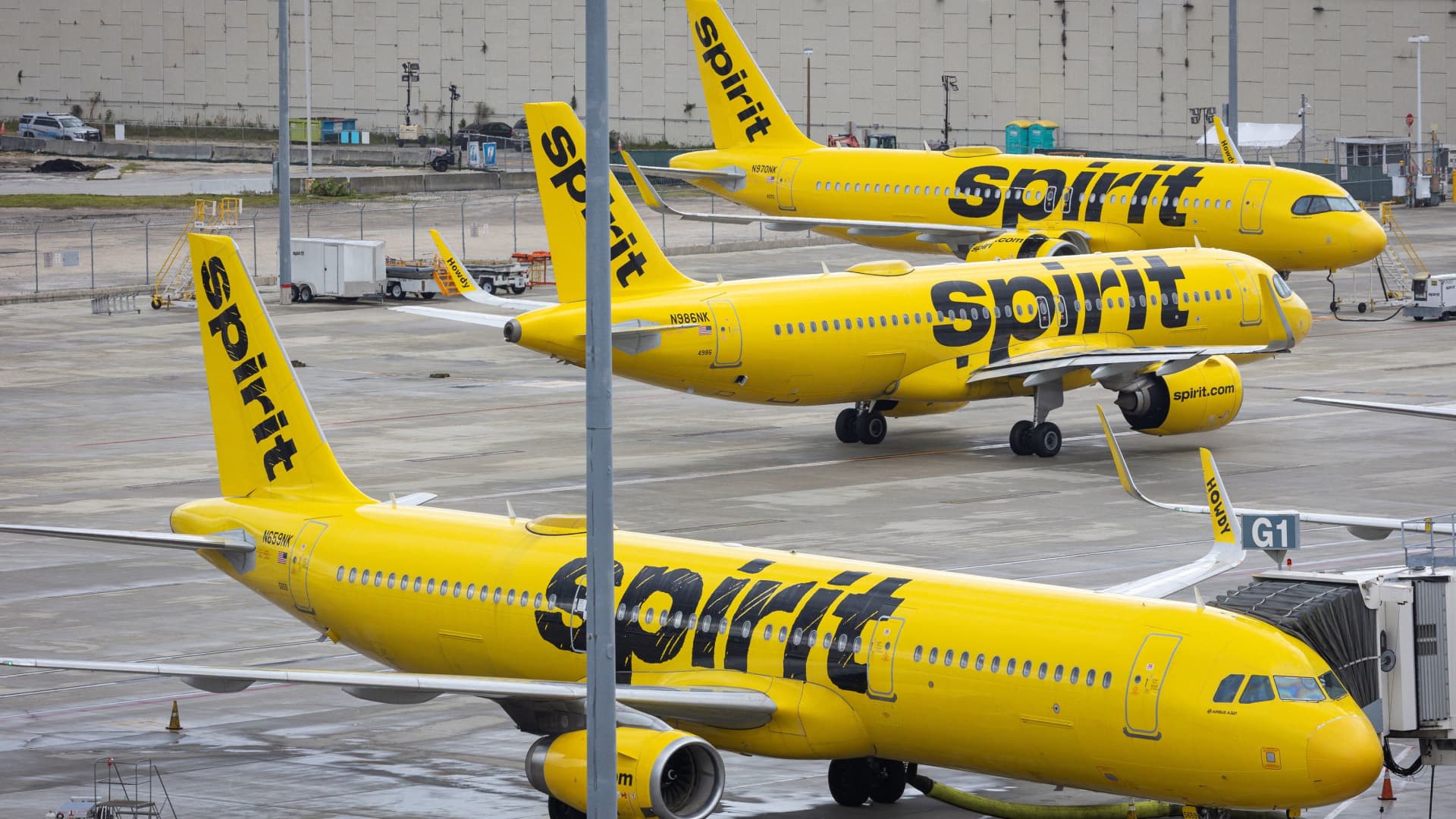
Government terms leave the carrier at a critical juncture, forcing a choice between immediate restructuring or a total equity wipeout for shareholders.
The Trump administration has delivered a final bailout proposal to Spirit Airlines as the carrier confronts an immediate threat of liquidation. This development marks a critical juncture for the airline, which has struggled to stabilize its balance sheet amid mounting debt obligations and operational headwinds. The offer serves as the government's definitive stance on potential financial intervention, leaving the company with limited options to avoid insolvency.
Liquidation Risks and Operational Viability
Spirit Airlines has faced sustained pressure from a competitive landscape that has eroded its historical pricing power. The prospect of liquidation suggests that the current capital structure is no longer sustainable without significant external support or a radical restructuring of existing debt. If the company fails to reach an agreement based on these final terms, the path toward a formal bankruptcy filing becomes increasingly likely. Investors are now forced to weigh the probability of a total equity wipeout against the slim possibility of a government-backed survival plan.
Sector Read-Through and Competitive Shifts
The potential collapse of a major low-cost carrier creates significant ripple effects across the broader aviation sector. Competitors are positioned to absorb market share if Spirit ceases operations, though the loss of capacity could also lead to localized fare increases in key hubs. The airline industry remains sensitive to fuel costs and labor expenses, and the removal of a discount player could fundamentally alter the pricing dynamics that have defined the post-pandemic recovery. Market participants are monitoring whether other carriers will attempt to acquire specific assets or routes should the liquidation process commence.
AlphaScala currently tracks the broader consumer sector with a cautious outlook. For those evaluating the volatility in consumer-facing industries, our stock market analysis provides additional context on how sector-specific distress influences broader index performance.
The Path to Resolution
Management must now decide whether to accept the government's terms or pursue alternative restructuring avenues that may be less favorable to shareholders. The next concrete marker will be a formal response from the board of directors regarding the proposal. Any delay in communication or a rejection of these terms will likely trigger further volatility in the company's securities as the market prices in the high probability of a terminal event. Investors should watch for official regulatory filings that confirm the acceptance or rejection of this final bailout offer.
AI-drafted from named sources and checked against AlphaScala publishing rules before release. Direct quotes must match source text, low-information tables are removed, and thinner or higher-risk stories can be held for manual review.