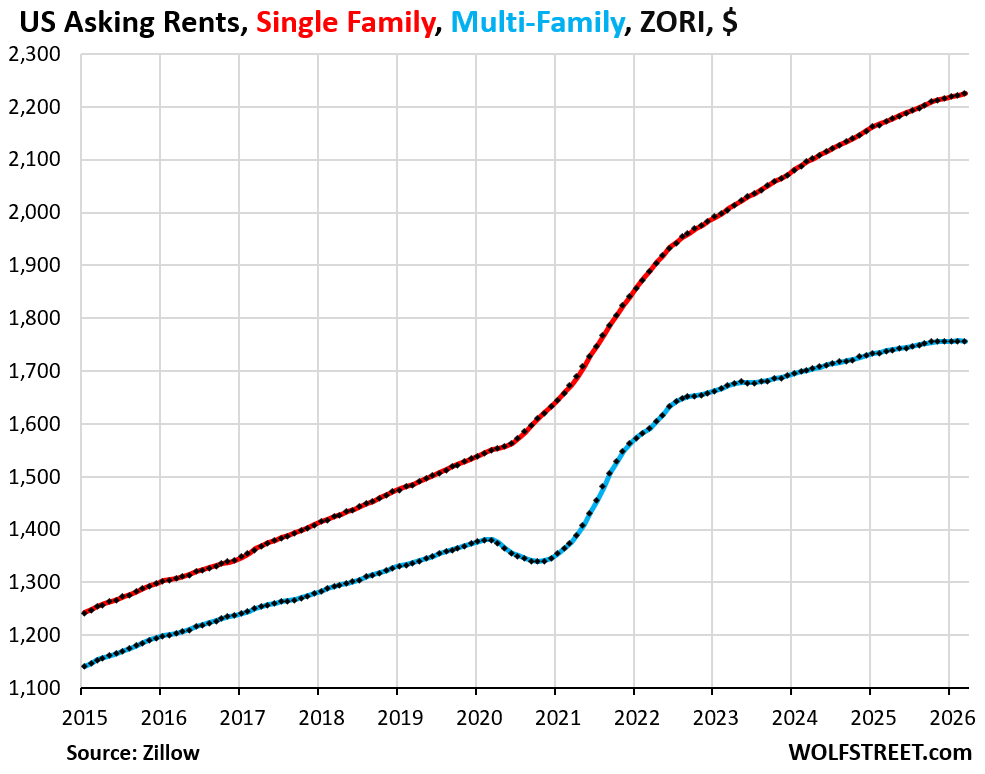
The divergence between single-family and multifamily rental costs has reached a record high across 14 major metropolitan areas. While asking rents for multifamily units face downward pressure from a surge in new supply, single-family rental rates continue to climb. This decoupling marks a shift in the residential real estate landscape as the two asset classes respond to different supply-side dynamics.
Multifamily Supply Overhang
The primary driver of the current multifamily weakness is the record volume of new apartment completions. Developers have brought a significant number of units to market, forcing landlords to offer concessions to maintain occupancy levels. This influx of inventory has effectively capped rent growth in the apartment sector, as renters now have more leverage to negotiate or move to newer buildings with modern amenities.
In contrast, the single-family rental market remains constrained by a lack of new inventory. Many potential homeowners are choosing to rent single-family homes rather than purchase due to high mortgage rates and elevated home prices. This sustained demand, coupled with a limited supply of available rental houses, allows owners to maintain pricing power that multifamily operators currently lack.
Sector Valuation and Investor Read-Through
Investors are now recalibrating their expectations for residential real estate portfolios. Companies heavily exposed to multifamily developments are seeing their margins compressed by the need for aggressive leasing incentives. Meanwhile, firms with a focus on single-family rental platforms are benefiting from the supply-demand imbalance that keeps occupancy high and rent growth steady.
This trend is forcing a broader re-evaluation of housing-related equities. For those tracking the consumer cyclical space, such as Amer Sports, Inc. (AS), the broader health of the consumer remains a critical variable in how these rental costs impact discretionary spending. With an Alpha Score of 47/100, the current outlook for AS remains mixed as it navigates these shifting consumer pressures. You can find more detailed data on the AS stock page.
The Next Decision Point
The critical marker for this trend will be the absorption rate of the remaining multifamily pipeline. If the pace of new apartment completions slows in the coming quarters, the rent gap may begin to stabilize. However, if the current supply glut persists, the valuation gap between multifamily-heavy REITs and single-family rental operators will likely widen further. Investors should monitor upcoming regional housing data to determine if the single-family premium has reached a ceiling or if the divergence will continue to accelerate through the end of the year. For broader context on how these shifts influence the stock market analysis, keeping an eye on regional vacancy rates will be essential.