Stocks● Neutral
Japan Rejects Hormuz Naval Deployment Ahead of Trump Summit
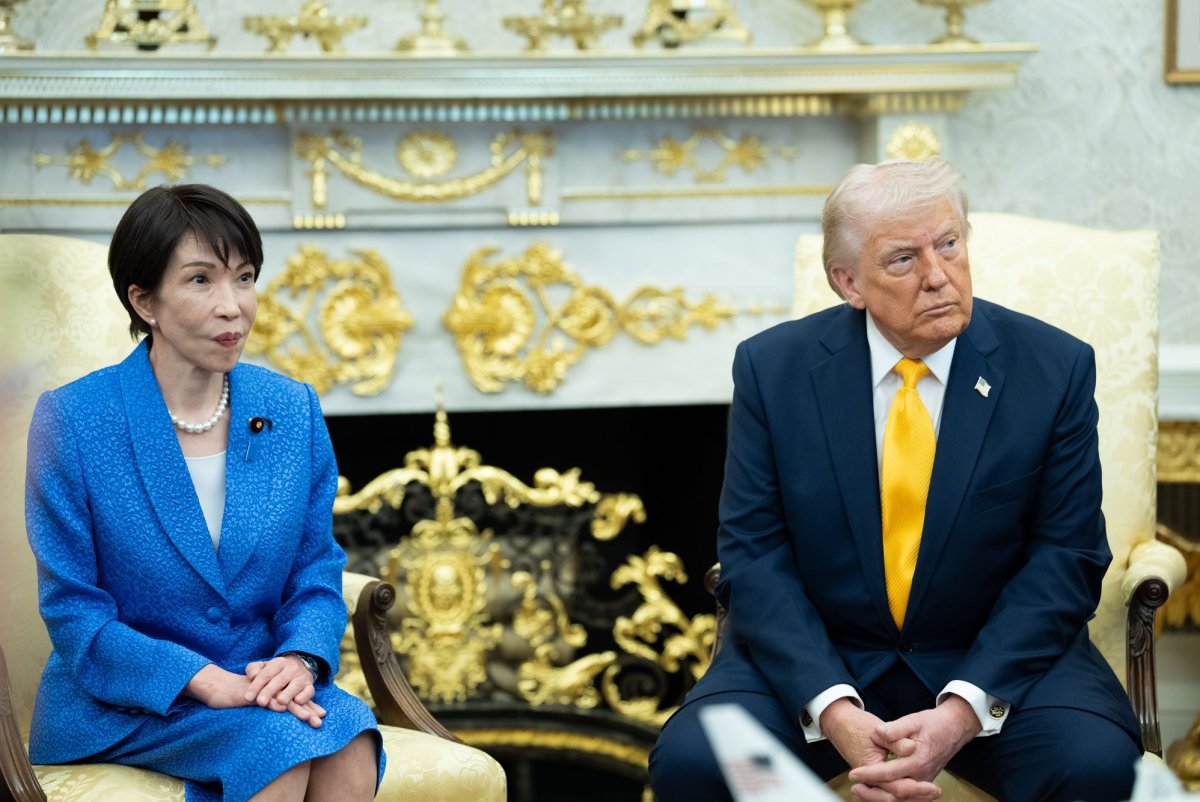
Japan has declined to deploy naval forces to the Strait of Hormuz ahead of an upcoming summit with President Trump. The decision shifts focus to diplomacy.
Continue with
The Japanese government has officially opted against deploying Self-Defense Forces to the Strait of Hormuz. This decision comes as Prime Minister Takeuchi Sanae prepares for a high-stakes summit with U.S. President Donald Trump scheduled for March 19, 2026, in Washington, DC.
Strategic Restraint in Maritime Security
The proposal to send naval assets to the region was initially framed as a contribution to regional maritime security. By choosing to hold back, Tokyo signals a preference for diplomatic channels over direct military involvement in the volatile waterway. This move avoids a significant escalation in Japan's regional defense posture, which has historically remained constrained by constitutional limitations and a focus on self-defense.
For regional energy markets, the decision maintains the status quo regarding the protection of shipping lanes. The Strait of Hormuz remains a critical chokepoint for global oil transit, and the absence of Japanese naval participation leaves the burden of security largely to existing international coalitions. Analysts tracking stock market analysis will note that this restraint avoids a potential friction point in Japan's bilateral relationship with regional powers that might have viewed a deployment as an alignment with specific U.S. foreign policy objectives.