Severe Weather Disruptions in the Midwest and Regional Infrastructure Impacts

Severe tornadoes in Wisconsin, Minnesota, and Illinois have caused significant structural damage, forcing a focus on regional infrastructure and supply chain resilience.
Alpha Score of 55 reflects moderate overall profile with moderate momentum, moderate value, moderate quality. Based on 3 of 4 signals — score is capped at 90 until remaining data ingests.
Alpha Score of 40 reflects weak overall profile with strong momentum, poor value, poor quality. Based on 3 of 4 signals — score is capped at 90 until remaining data ingests.
Alpha Score of 57 reflects moderate overall profile with moderate momentum, moderate value, moderate quality, moderate sentiment.
Alpha Score of 48 reflects weak overall profile with poor momentum, strong value, strong quality. Based on 3 of 4 signals — score is capped at 90 until remaining data ingests.
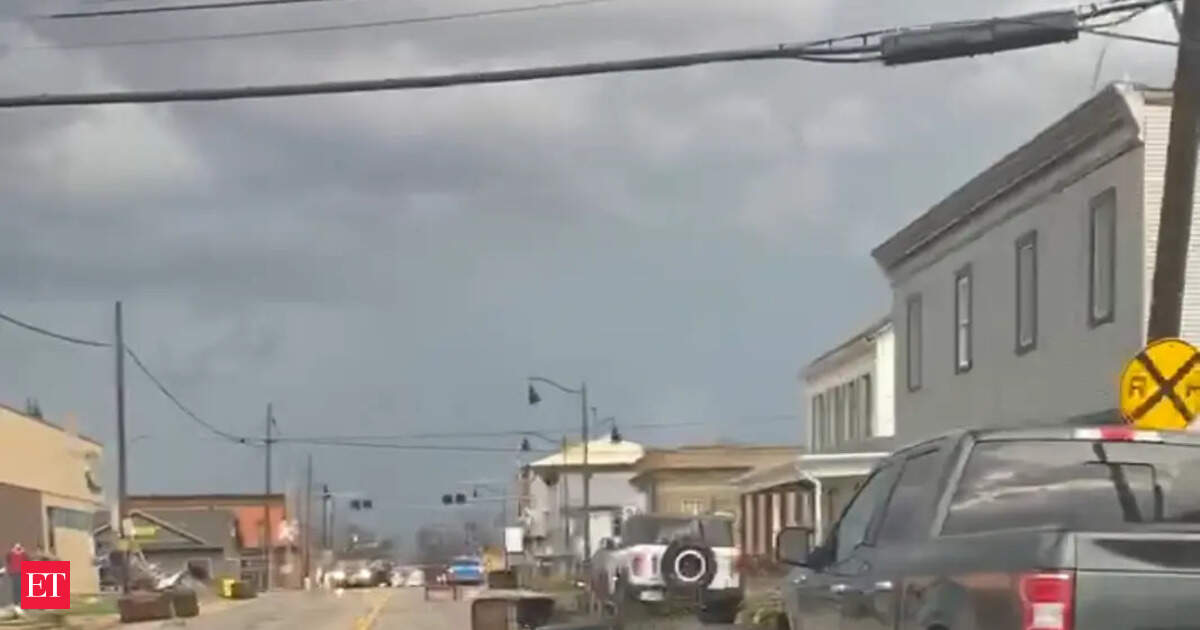
A series of severe tornadoes swept through Wisconsin, Minnesota, and Illinois this past Saturday, causing significant structural damage to residential areas and critical local infrastructure. The most severe impacts were reported in the Wisconsin cities of Kronenwetter and Ringle, where high-velocity winds leveled homes and trapped residents in debris-filled basements. This event marks a sudden disruption to regional operations, forcing emergency services to shift focus toward search and rescue efforts while utilities grapple with widespread power outages and downed transmission lines.
Infrastructure and Utility Exposure
The immediate aftermath of such weather events typically forces a localized halt in commercial activity and distribution logistics. For companies with concentrated manufacturing or distribution footprints in the Upper Midwest, the primary concern is the integrity of supply chains and the physical safety of facility personnel. Beyond the direct cost of property damage, the destruction of power grids often leads to extended downtime for regional businesses that rely on consistent energy delivery. Investors should monitor utility providers and regional logistics firms for updates on grid restoration timelines and the extent of capital expenditure required to repair damaged assets.
Regional Economic Read-Through
While individual weather events are often viewed as transitory, the concentration of damage in industrial hubs like Kronenwetter can create ripple effects for regional labor markets and local supply chains. The immediate priority for the affected municipalities is the assessment of structural damage to public and private property. This process usually precedes a period of increased construction activity, which can temporarily boost demand for building materials and labor in the affected counties. However, the short-term impact remains centered on the disruption of existing business operations and the potential for insurance-related volatility among regional carriers.
AlphaScala data currently reflects a mixed sentiment across various technology and consumer sectors, with ON stock page holding an Alpha Score of 40/100, NOW stock page at 48/100, and AS stock page at 47/100. These scores serve as a baseline for how broader market participants are currently positioning within their respective sectors during periods of volatility.
Next Steps for Asset Assessment
The next concrete marker for market participants will be the release of insurance loss estimates and utility status reports from the affected regions. These filings will clarify the scope of the damage and provide a clearer picture of the recovery timeline. Investors should look for updates regarding the restoration of regional power grids and any guidance from local firms regarding the impact of facility closures on quarterly production targets. Monitoring these developments is essential for understanding the duration of the disruption and the potential for long-term operational shifts in the wake of the storm.
AI-drafted from named sources and checked against AlphaScala publishing rules before release. Direct quotes must match source text, low-information tables are removed, and thinner or higher-risk stories can be held for manual review.