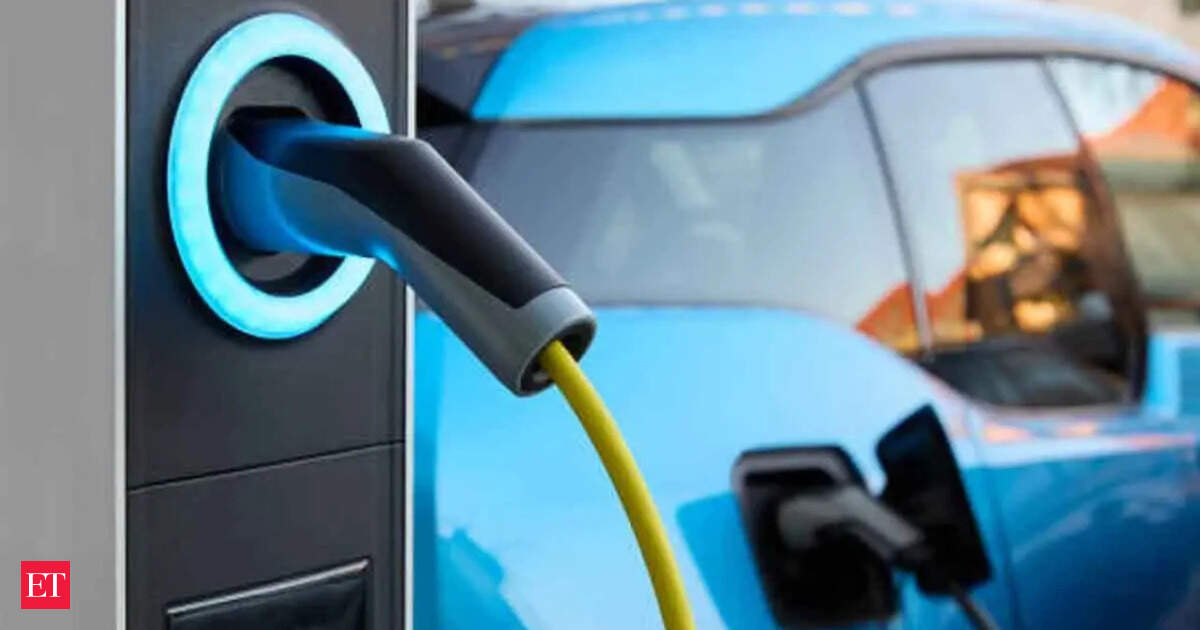
The rapid acceleration of electric vehicle adoption in India has created a structural imbalance between consumer demand and the underlying power grid infrastructure. While vehicle sales figures continue to climb, the lack of a commensurate expansion in charging networks is beginning to act as a physical constraint on the sector. This disconnect forces a re-evaluation of how quickly the market can transition from early adoption to mass-market saturation.
Infrastructure Constraints and Grid Reliability
The primary friction point for the Indian EV market is the disparity between the density of urban vehicle ownership and the availability of high-speed charging points. Current deployment rates for public charging stations are failing to keep pace with the influx of new electric two-wheelers and passenger cars. This bottleneck creates a range anxiety issue that limits the utility of these vehicles for long-distance travel and restricts adoption to short-range urban commuting.
Beyond the physical installation of chargers, the stability of the local power grid remains a critical variable. The surge in demand for electricity during peak charging hours threatens to overwhelm existing distribution networks. Without significant investment in grid modernization and smart-charging protocols, the expansion of the EV fleet risks triggering localized power failures. This creates a feedback loop where infrastructure limitations directly dampen the growth prospects of automotive manufacturers operating in the region.
Strategic Implications for Automotive Manufacturers
Automotive firms are now forced to pivot their strategy from pure sales growth to active participation in infrastructure development. Companies that rely on high-volume EV sales must now account for the hidden costs of building private charging ecosystems or partnering with utility providers to ensure their customers have reliable access to power. This shift in capital allocation may impact margins in the near term as firms move beyond vehicle production into energy management services.
For investors, the focus is shifting toward companies that can demonstrate a dual-track strategy of vehicle innovation and infrastructure integration. The ability to navigate these regulatory and logistical hurdles will likely separate the long-term winners from those that struggle with the limitations of the current energy landscape. As the sector matures, the focus will move from unit sales to the total cost of ownership, which is heavily influenced by the availability and efficiency of the charging network.
AlphaScala data currently reflects a complex environment for technology and consumer-facing firms. For instance, ServiceNow Inc. (NOW stock page) holds an Alpha Score of 48/100, while Amer Sports, Inc. (AS stock page) sits at 47/100. Agilent Technologies, Inc. (A stock page) maintains a score of 55/100. These metrics highlight the broader stock market analysis trends where operational efficiency and infrastructure support remain key determinants of value.
The next concrete marker for this narrative will be the upcoming government policy updates regarding grid subsidies and the private sector's commitment to charging station rollouts. Tracking the pace of these capital expenditures will provide a clearer picture of whether the infrastructure gap is narrowing or widening as the vehicle fleet continues to expand.