A second shooting in nine days near the White House has triggered major transit closures and heightened security concerns. Monitor the investigation for links.
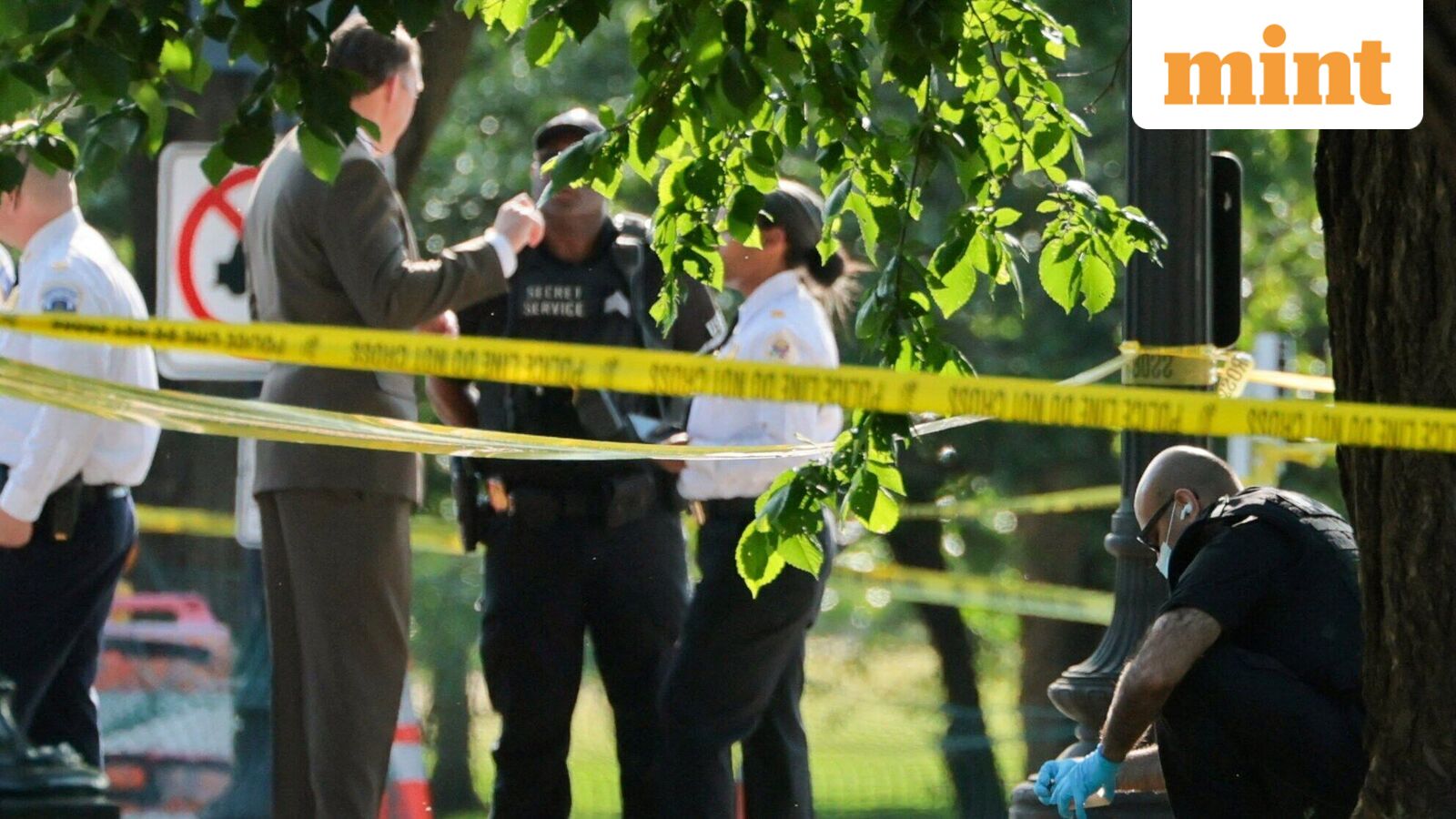
The Secret Service engaged in a firefight near the Washington Monument on Monday afternoon, marking the second armed confrontation involving federal protective details in the nation's capital in nine days. The incident, which occurred at approximately 3:30 p.m. EDT near the intersection of 15th Street Southwest and Independence Avenue, resulted in the suspect being hospitalized with multiple gunshot wounds and a 15-year-old bystander sustaining a non-life-threatening injury. While the Secret Service maintains there is no known nexus between this event and the April 25 attack at the White House Correspondents' Dinner, the proximity of these two security breaches is forcing a reevaluation of the threat environment surrounding the executive complex.
The shooting unfolded as plainclothes officers conducting exterior patrols identified an individual carrying a firearm near the Washington Monument. According to Secret Service deputy director Matt Quinn, the suspect fled when uniformed officers attempted an approach, subsequently opening fire on the agents. The agents returned fire, striking the suspect and recovering a weapon at the scene. Although the incident occurred shortly before a motorcade carrying Vice President JD Vance passed through the area, officials confirmed the suspect did not target the motorcade and remained outside the White House grounds.
This event follows the April 25 incident at the Washington Hilton Hotel, where a gunman attempted to breach a security checkpoint and exchanged fire with law enforcement. That individual has since been charged with attempting to assassinate the president. The recurrence of such incidents within a nine-day window creates a heightened operational strain on the Secret Service and the Metropolitan Police Department, both of which have been managing a significant security footprint in the District since the Trump administration assumed oversight of local police operations in August.
The immediate aftermath of the Monday shooting caused substantial logistical friction in central Washington. The Metropolitan Police Department implemented a wide-scale closure of streets east of the Washington Monument, effectively severing access to major highway bridges connecting the District of Columbia to Northern Virginia. For market participants and commuters, this underscores the volatility of the local transit environment when security protocols are triggered. The presence of National Guard personnel, who have been stationed in the city since August, suggests that the current security posture is already at an elevated level, making the occurrence of such a breach particularly notable for those tracking stock market analysis and regional economic stability.
Market sensitivity to security events in Washington is often driven by the potential for policy paralysis or the disruption of executive functions. While the Secret Service stated that President Trump was not in danger and was holding an event at the White House during the shooting, the frequency of these incidents introduces a new variable into the risk calculus for federal operations. The primary concern is not necessarily a single event, but the cumulative effect on the security apparatus. If the frequency of these confrontations continues to accelerate, the resulting perimeter hardening could lead to more frequent, localized economic disruptions in the capital.
Investors should distinguish between isolated criminal acts and coordinated threats to executive infrastructure. The Secret Service has explicitly declined to draw a connection between the Washington Monument shooting and the earlier attack at the Washington Hilton. However, the lack of a clear motive for the current suspect, combined with the proximity to the vice presidential motorcade route, ensures that the investigation will remain a high-priority item for federal authorities. The confirmation of the teenager's injury, which investigators currently attribute to the suspect rather than law enforcement, adds a layer of complexity to the forensic analysis of the scene.
What would weaken the current risk narrative is a clear, definitive statement from the Department of Justice or the Secret Service that these events are unrelated, isolated incidents of individual violence. Conversely, the discovery of any link between the two shooters or evidence of a broader, organized effort to target federal officials would represent a significant escalation. For now, the market read remains focused on the operational capability of the Secret Service to maintain a secure perimeter in an increasingly volatile urban environment. The presence of hundreds of National Guard members serves as a buffer, but the ability of armed individuals to reach the vicinity of the Washington Monument suggests that the current security architecture faces persistent, localized challenges that require constant adjustment.
AI-drafted from named sources and checked against AlphaScala publishing rules before release. Direct quotes must match source text, low-information tables are removed, and thinner or higher-risk stories can be held for manual review.