Stocks● Neutral
Pilbara Ammonia Project Secures $1.6 Billion Major Status
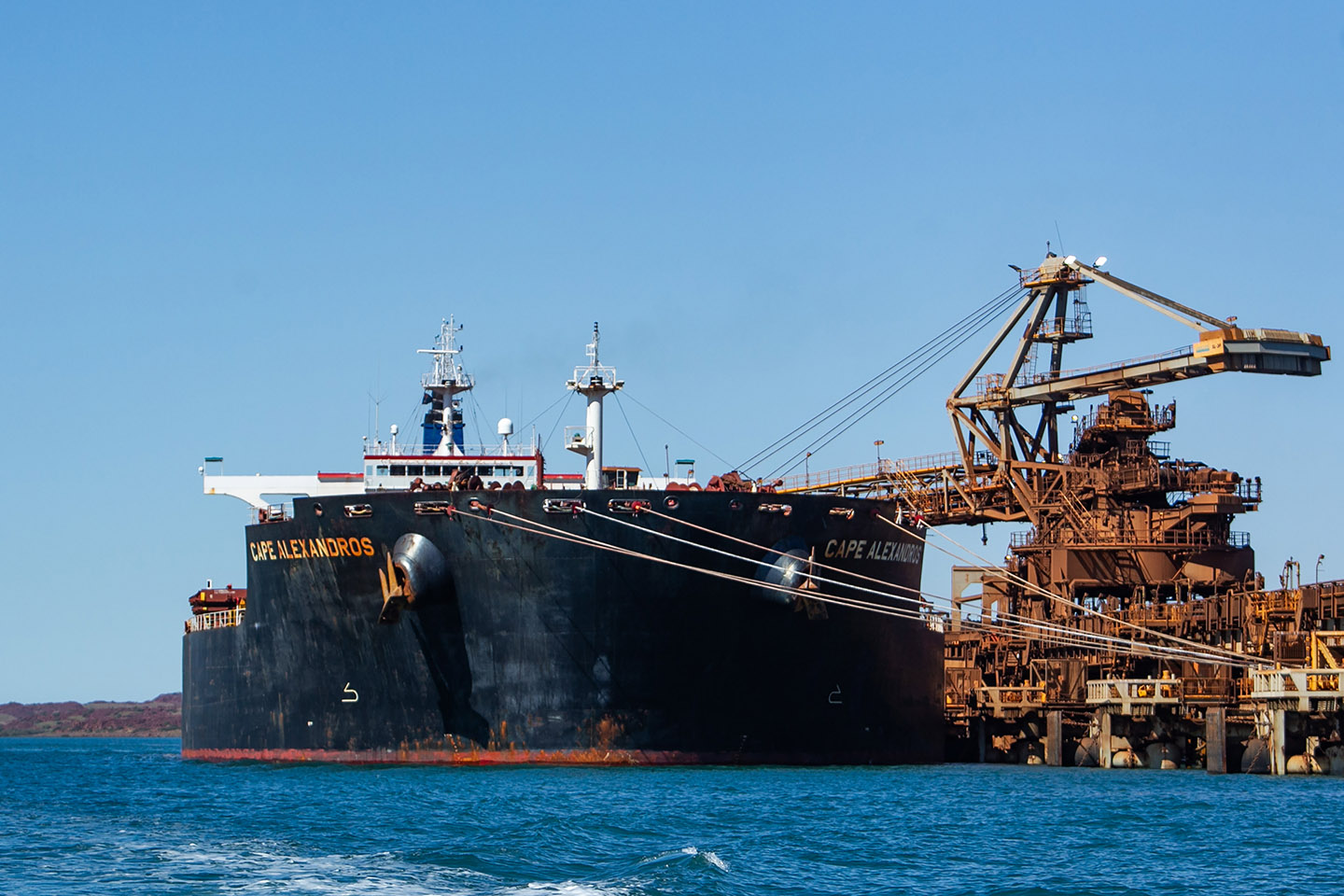
The $1.6 billion Pilbara ammonia project gains federal major project status, signaling a push to streamline regulatory hurdles for large-scale energy assets.
Continue with
The Australian federal government has officially granted major project status to a $1.6 billion ammonia development located in the Pilbara region. This designation serves as a formal signal of federal support, often intended to streamline regulatory approvals and coordinate inter-departmental cooperation for large-scale industrial infrastructure. For investors, the move shifts the project from a speculative development phase toward a more defined execution timeline.
Regulatory Fast-Tracking and Capital Deployment
Major project status functions as a mechanism to reduce administrative friction for capital-intensive ventures. By centralizing the approval process, the government aims to mitigate the risk of project delays that frequently plague resource and energy infrastructure in Western Australia. The $1.6 billion price tag suggests a facility of significant scale, likely targeting the growing global demand for green ammonia as a hydrogen carrier or fertilizer feedstock.
Market participants should distinguish between the symbolic value of this status and the actual operational hurdles that remain. While the government designation improves the likelihood of navigating environmental and land-use permits, it does not guarantee the final investment decision or the securing of long-term offtake agreements. The project must now demonstrate that it can bridge the gap between regulatory approval and commercial viability in a competitive global energy market.