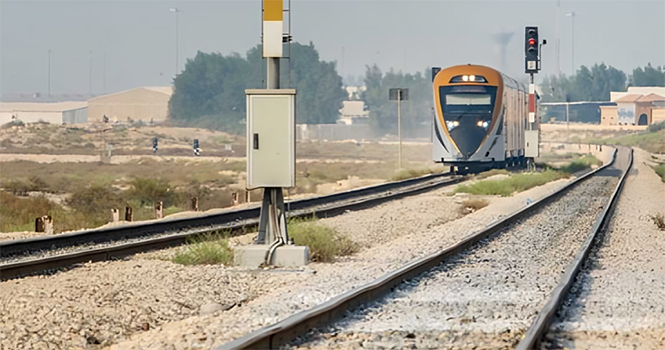
Saudi Arabia Railways (SAR) issued a tender on May 7 for design consultancy services on the Saudi section of the GCC railway project, according to MEED. Bids are due by June 30. The move converts a long-running regional infrastructure concept into an active procurement process, creating a tangible catalyst for companies positioned to bid on subsequent construction and supply contracts.
The Tender: What SAR Is Asking For
The tender covers three design stages: concept, preliminary, and issued-for-construction (IFC) design. The selected consultant will also review, update, and complete the existing preliminary design work. This scope indicates that SAR is pushing the project toward shovel-ready status rather than commissioning another feasibility study. The June 30 deadline for bids suggests an award decision in the second half of 2025, which would then unlock the next phase: construction tendering.
The design contract itself is a modest piece of the overall spending. Its market significance lies in the signal it sends about government commitment and timeline. After years of discussion, a design tender with a fixed bid date implies that budget has been allocated and that the broader GCC railway is no longer a hypothetical.
The Saudi Segment: 672 km of New Rail
The Saudi portion will run approximately 672 kilometers from Al Khafji in the Eastern Province near the Kuwait border to Al Al Bathaa on the UAE border. This corridor connects two critical border points, effectively making Saudi Arabia the central transit country for the entire network. The alignment passes through areas that will require significant earthworks, bridges, and likely stations, creating demand for construction, cement, steel, and signaling systems.
Under the broader GCC plan, the full railway will span 2,186 kilometers, extending from Kuwait through Dammam in Saudi Arabia, connecting to Bahrain via a planned bridge, then continuing from Dammam to Qatar, the UAE, and finally Muscat via Sohar in Oman. Saudi Arabia’s segment is the longest national portion and the linchpin that links the northern and southern Gulf states. Any delay in the Saudi section would stall the entire network, which is why the tender launch is a critical milestone for the project’s viability.
Read-Through for Regional Infrastructure Stocks
For investors tracking stock market analysis, the tender translates into a watchlist of potential beneficiaries. The design award will be followed by construction contracts that could move the order books of listed engineering, procurement, and construction (EPC) firms, as well as materials suppliers. Saudi-listed companies with rail experience, such as those involved in the Haramain High-Speed Railway or the North-South Railway, are obvious candidates. Regional contractors in the UAE and Kuwait that have cross-border rail credentials may also pursue subcontracting roles.
The design contract itself is not the catalyst. The sequence it initiates is what matters. Once the IFC design is complete, SAR can issue construction tenders, likely in multiple packages to manage risk and speed. The scale of the 672-km segment suggests a multi-billion-dollar capital outlay spread over several years. Cement producers, steel rebar manufacturers, and aggregate suppliers would see volume uplift from a project of this size. Signaling and telecom providers would also feature in the supply chain.
The tender does not guarantee an immediate stock move. Execution risk remains high for cross-border Gulf infrastructure, where political alignment and funding coordination have historically slowed progress. The June 30 bid deadline is the first test of market appetite. A strong response from qualified international and regional design consultants would confirm that the private sector views the project as financially and technically feasible. A tepid response, or a request for deadline extensions, would signal that the preparatory work still falls short of what contractors need to price risk.
The next concrete marker is the bid submission date on June 30. After that, the consultant selection and contract award will set the timeline for construction tenders. Investors should monitor SAR announcements for the number of bidders and the nationality mix, as a broad consortium would indicate wide confidence. The Saudi segment of the GCC railway is now moving from diplomatic communiqués to procurement documents, and that shift is what puts the regional infrastructure stocks supply chain back on the tradable catalyst calendar.