Russia's May energy revenue hit €726M/day, up 2%. A ruble-backed stablecoin processed $93B in trade, providing regulators a case for tighter controls.
Alpha Score of 66 reflects moderate overall profile with moderate momentum, moderate value, strong quality, moderate sentiment.
Russia pulled in €726 million per day from fossil fuel exports in May 2026. That’s a 2% increase from April, with no meaningful rise in export volumes.
China bought roughly half of Russia’s crude oil and accounted for about 38% of total fossil fuel revenues. India picked up another 36% of crude purchases. Together, the two countries have replaced Europe as the backbone of Russia’s energy trade.
Europe, though, has not walked away entirely. The EU still takes 49% of Russian LNG imports. Spain doubled its LNG purchases from Russia in May, a week after Madrid banned new short-term contracts on April 25. The ban did not apply to existing agreements.
Crude oil revenues alone reached €362 million daily, with volumes up 8% even as Ukrainian drone strikes slashed oil-product loadings at the Taman terminal by 53% in mid-May. The revenue bump happened despite the attacks, not because of them.
Shadow fleet tankers – vessels operating outside Western insurance and regulatory systems – carried 48% of Russia’s seaborne oil in May.
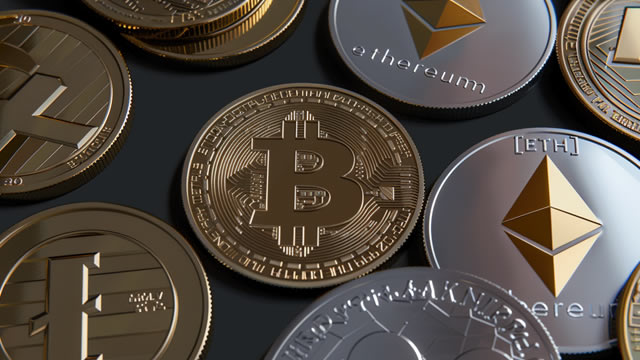
The A7A5 stablecoin, a ruble-backed digital token, has processed over $93 billion in its first year. Cumulative volumes are estimated between $100 billion and $110 billion. Russian entities are using the token to settle real energy transactions with counterparties unwilling or unable to use dollar-denominated systems.
For regulators in the US and EU already scrutinizing stablecoins through a sanctions-compliance lens, the A7A5 volume trajectory is a concrete exhibit. The token's success in facilitating energy trade outside the dollar system gives them a case study to cite when arguing for tighter controls. The cumulative A7A5 volume sits between $100 billion and $110 billion.
Prepared with AlphaScala research tooling and grounded in primary market data: live prices, fundamentals, SEC filings, hedge-fund holdings, and insider activity. Each story is checked against AlphaScala publishing rules before release. Educational coverage, not personalized advice.