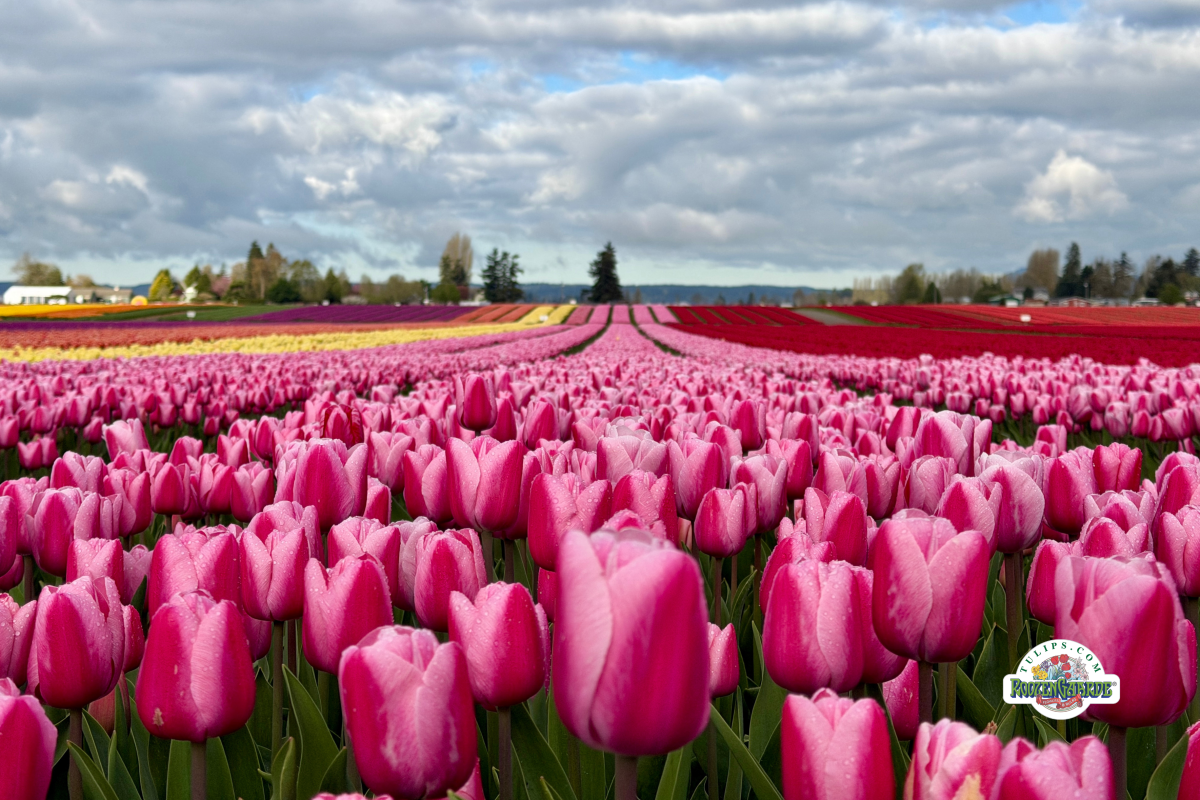
The 2026 Skagit Valley Tulip Festival has reached its peak bloom cycle, signaling a critical window for local hospitality and retail sectors in Washington State. This annual event serves as a primary economic driver for Skagit County, concentrating significant foot traffic and consumer spending into a compressed four-week period each spring. The transition to full bloom typically triggers a surge in regional travel, impacting local service providers and small businesses that rely on seasonal tourism to anchor their annual revenue targets.
Economic Impact on Local Service Sectors
The festival functions as a barometer for regional discretionary spending. As the fields reach peak color, the influx of visitors necessitates a rapid scaling of local infrastructure, from parking management to retail staffing. Businesses in Mount Vernon and surrounding areas often see a distinct shift in revenue velocity during this period. The success of the festival is tied to weather patterns and the timing of the bloom, which dictate the duration of the peak consumer window. For local operators, the ability to capitalize on this surge is a primary determinant of their first-half performance metrics.
Infrastructure and Event Logistics
Beyond the agricultural display, the festival incorporates a series of organized events, including the Tulip Festival Street Fair. These gatherings are designed to extend the duration of visitor stays, thereby increasing the average transaction value per tourist. The logistics of managing high-density crowds in a rural setting present a recurring operational challenge for local authorities and business owners. The efficiency of these logistics directly influences the total visitor count, which remains the most significant variable in the festival's overall economic contribution.
- Peak bloom timing dictates the duration of high-margin retail activity.
- Street fair participation acts as a secondary revenue stream for local vendors.
- Regional hospitality occupancy rates correlate directly with the progression of the bloom cycle.
Market Context and Seasonal Sensitivity
Tourism-dependent economies often exhibit high sensitivity to seasonal events, where a single month of activity can account for a disproportionate share of annual profit. While this festival is localized, it mirrors broader trends in regional tourism where experiential spending has become a focal point for consumer budgets. Investors monitoring stock market analysis often look at these regional indicators to gauge the health of the broader leisure and hospitality sector. The reliance on specific, short-term windows highlights the volatility inherent in seasonal business models.
AlphaScala data indicates that regional tourism hubs often experience a 15% variance in quarterly revenue based on the timing of peak seasonal events compared to historical averages. This sensitivity underscores the importance of operational agility for businesses operating within these niche markets.
The next concrete marker for stakeholders will be the post-festival reporting of local sales tax receipts and hospitality occupancy data. These figures will provide the definitive assessment of the 2026 season's success and serve as a baseline for future infrastructure planning and marketing budget allocations for the region.