Qualcomm is pivoting its marketing strategy to establish Snapdragon as a household consumer brand, mirroring the historical success of Intel’s "Intel Inside" campaign. By launching the "Snapdragon. That’s How" campaign, the company aims to move beyond technical specifications and benchmarking to capture the PC market, a sector CMO Don McGuire describes as a "cutthroat" and "mafia-like" value chain. This shift is a calculated attempt to build brand affinity as the company expands its footprint from mobile devices into the competitive personal computer space.
The Strategic Pivot to Consumer Brand Identity
Snapdragon, which originated in 2007 with a focus on Asian smartphone markets, has undergone a significant evolution since CEO Cristiano Amon took the helm in 2021. The marketing trajectory has moved from highlighting raw technical features to emphasizing emotional connections and user experiences. This transition is critical for Qualcomm as it seeks to differentiate its chips in a PC market that has historically prioritized iterative updates over radical innovation. The company’s recent success, including a No. 38 ranking on Kantar’s BrandZ list in 2025, suggests that this branding effort is gaining traction, even outpacing established consumer giants like Nike and Disney.
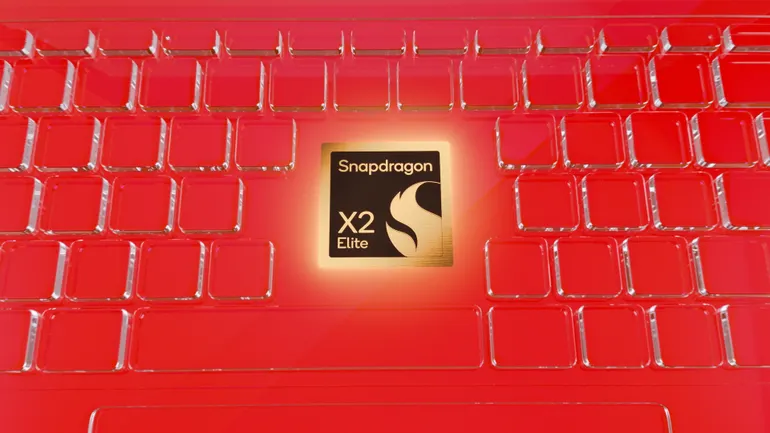
For investors, the move into the PC market represents a diversification of revenue streams away from the saturated smartphone segment. The "Snapdragon. That’s How" campaign, developed with agency 72andSunny, utilizes a design system featuring a transparent laptop to visually center the processor as the core of the machine. By positioning itself as "the processor your PC wishes it had," Qualcomm is attempting to force a hardware-level preference among consumers who have traditionally been indifferent to the specific chip powering their devices.
AI Integration and the Agentic Future
Qualcomm’s branding efforts are inextricably linked to the rise of agentic AI. As AI agents become more prevalent across laptops, smartphones, and wearable devices, the company is betting that consumer demand for high-performance computing power will accelerate. While Qualcomm acknowledges that mass-market adoption of agentic AI may not be immediate, the current campaign is designed to build the necessary brand equity to capture the market when that inflection point arrives. The company is targeting developers, gamers, and creators first, as these users are the most likely to require the high-performance computing capabilities that Snapdragon provides.
This strategy is supported by the company's broader roadmap, which CEO Cristiano Amon has explicitly linked to the transformation of the industry by AI agents. The company’s recent financial performance, including Q2 fiscal 2026 revenue of $10.6 billion, reflects this ongoing transition. While the Q3 revenue forecast fell short of expectations, market sentiment remains buoyed by potential partnerships, including rumors of a deal with OpenAI and the development of an unnamed data center chip client. Investors should look to the upcoming investor day on June 24 for further clarity on how these initiatives will scale.
Market Positioning and Competitive Risk
Qualcomm faces significant execution risk in the PC space. The "mafia-like" nature of the PC value chain means that displacing incumbents requires more than just superior technology; it requires a fundamental shift in how OEMs and consumers perceive the value of the processor. The company’s decision to market directly to consumers in the U.S. and Western Europe is a departure from its traditional B2B focus. This approach is intended to create pull-through demand, forcing PC manufacturers to adopt Snapdragon chips to satisfy consumer preference.
For those evaluating the stock, the current Alpha Score of 56/100 for QCOM stock page reflects a moderate outlook, balancing the potential of the AI-driven PC transition against the competitive realities of the semiconductor industry. The success of the current campaign will be measured by the company’s ability to maintain its momentum in the PC market while navigating the cyclical nature of its core mobile business. The shift toward an "ingredient brand" model is a long-term play that requires sustained investment in brand awareness, a departure from the company's historical reliance on technical superiority alone.
Ultimately, the efficacy of this strategy will be confirmed if Snapdragon can successfully transition from a component supplier to a consumer-facing brand that influences purchasing decisions at the retail level. If the company fails to gain significant share in the PC market, the heavy marketing spend and brand-building efforts could weigh on margins without delivering the expected top-line growth. Investors should monitor the adoption rates of Snapdragon-powered PCs as the primary indicator of whether this branding pivot is translating into tangible market share gains.