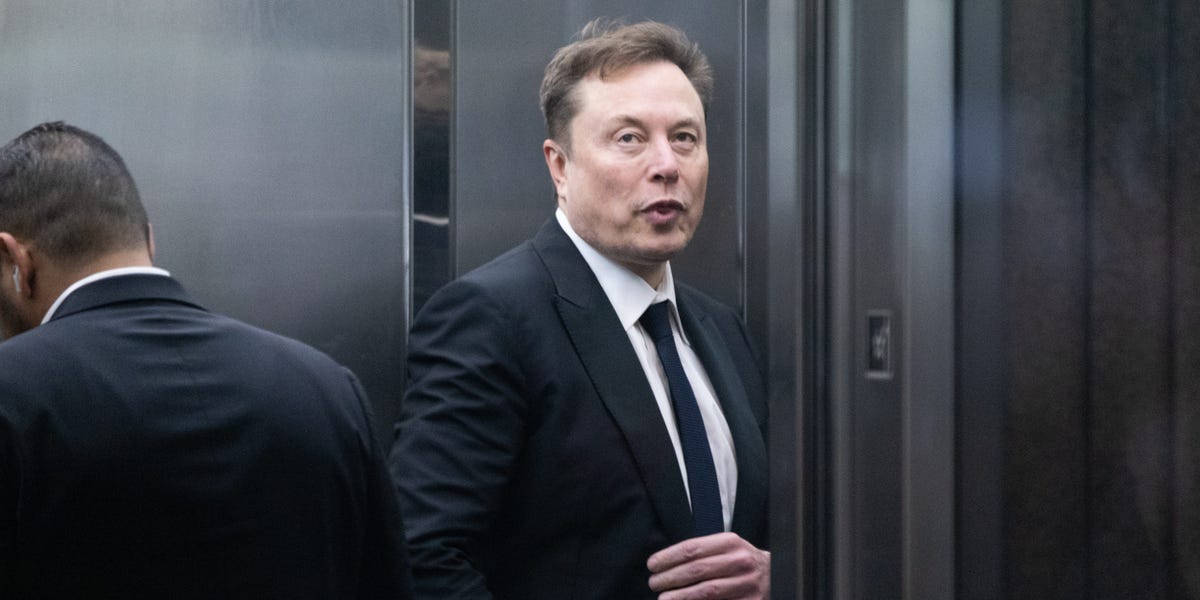
Elon Musk initiated contact with OpenAI president Greg Brockman just two nights before his civil trial against the artificial intelligence developer was scheduled to commence. Court filings submitted on Sunday reveal this last-minute attempt at resolution, marking a significant turn in a high-stakes legal battle that has drawn intense scrutiny from the technology sector. The outreach suggests a shift in strategy from the billionaire entrepreneur, who had previously maintained a combative stance regarding the company's governance and its departure from its original non-profit mission.
The Legal Mechanism of the Last-Minute Outreach
The timing of this communication is critical for understanding the underlying pressures facing both parties. By reaching out to Brockman directly, Musk bypassed the formal litigation channels that had defined the dispute for months. In civil litigation, such eleventh-hour overtures often signal a desire to avoid the public discovery process, where internal communications and proprietary strategic documents could be exposed to the court record. For a company like OpenAI, which relies heavily on maintaining its reputation among researchers and enterprise partners, the risk of a protracted trial involves more than just financial liability. It involves the potential for damaging disclosures regarding its internal decision-making processes and its complex relationship with major backers.
Strategic Implications for OpenAI Governance
This development forces a re-evaluation of the leverage held by both sides. Musk has consistently argued that OpenAI abandoned its foundational principles in favor of commercial interests. By seeking a settlement, he implicitly acknowledges that the court system may not be the most efficient venue to force a structural change at the firm. For OpenAI, the decision to disclose this contact in court filings serves as a tactical maneuver. It frames the company as the party prepared to proceed with the trial, potentially signaling to the court that they are confident in their legal position and are not intimidated by the prospect of a public courtroom confrontation.
Assessing the Risk of Continued Litigation
Investors and industry observers should view this as a signal of volatility in the AI sector. The legal uncertainty surrounding OpenAI impacts the broader stock market analysis regarding how private AI labs are valued and regulated. If the trial proceeds, the focus will remain on whether the company's current structure violates its original charter. If a settlement is eventually reached, the market will look for details on whether any governance concessions were made to appease the plaintiff. The next concrete marker is the court's response to these filings and whether the judge mandates further mediation or allows the trial to proceed as scheduled. The outcome will likely dictate how other major players in the space, such as those discussed in Qualcomm Shifts Snapdragon Strategy to Capture PC Market Share, manage their own intellectual property and corporate governance risks in an increasingly litigious environment.