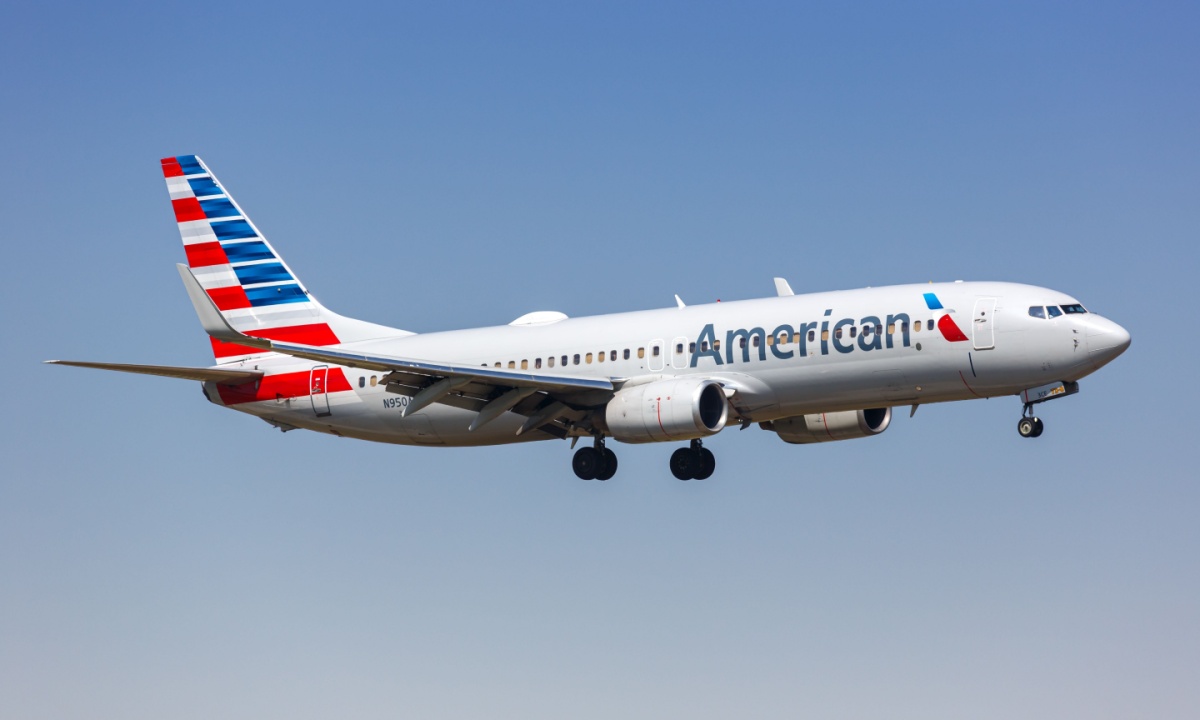
American Airlines has demonstrated a decoupling between rising operational costs and consumer demand within its premium travel segment. Despite aggressive fare increases implemented to mitigate the impact of elevated jet fuel prices during the first quarter, the carrier experienced no meaningful degradation in booking volumes from high-end travelers. This resilience suggests that the premium segment remains insulated from the inflationary pressures currently affecting broader discretionary spending.
Fuel Price Pass-Through and Margin Protection
The primary driver of recent pricing adjustments is the volatility in global energy markets, which directly impacts jet fuel expenditures. Airlines typically operate with limited ability to hedge against rapid spikes in fuel costs, forcing a direct pass-through to the consumer to maintain operating margins. By successfully raising fares without triggering a decline in premium traffic, American Airlines has effectively shifted the burden of higher energy costs away from its balance sheet. This dynamic is critical for the carrier as it navigates a period of high fuel price sensitivity where traditional cost-cutting measures are often insufficient to offset energy-driven margin compression.
Premium Segment Elasticity and Capacity Utilization
The stability of premium demand is a key indicator of the airline's current revenue health. While economy-class passengers often exhibit high price sensitivity, the premium traveler profile has shown a sustained willingness to absorb fare hikes. This behavior supports the carrier's broader strategy of prioritizing premium seating configurations and loyalty-driven revenue streams. The ability to maintain load factors while simultaneously increasing yield per seat provides a buffer against the cyclical nature of the aviation industry and the inherent unpredictability of fuel supply chains.
- Premium demand remains stable despite fuel-driven fare hikes.
- Operational margins are protected by successful price pass-throughs.
- High-end travelers show low price elasticity compared to economy segments.
AlphaScala data currently tracks American Airlines Group Inc. (AAL) with an Alpha Score of 58/100, placing it in the Moderate category within the Industrials sector. Further details on the company's performance metrics can be found on the AAL stock page. For broader context on how energy costs influence industrial transport, see our commodities analysis.
As the company moves into the next quarter, the primary marker for investors will be the sustainability of this premium demand trend. If fuel prices remain elevated or increase further, the carrier will need to determine if the current pricing power is a permanent feature of its customer base or a temporary anomaly. Monitoring the next round of quarterly guidance will be essential to see if management maintains its current pricing strategy or if competitive pressures force a shift in fare structures. The interplay between fuel price volatility and consumer behavior remains the central variable for the airline's near-term profitability.