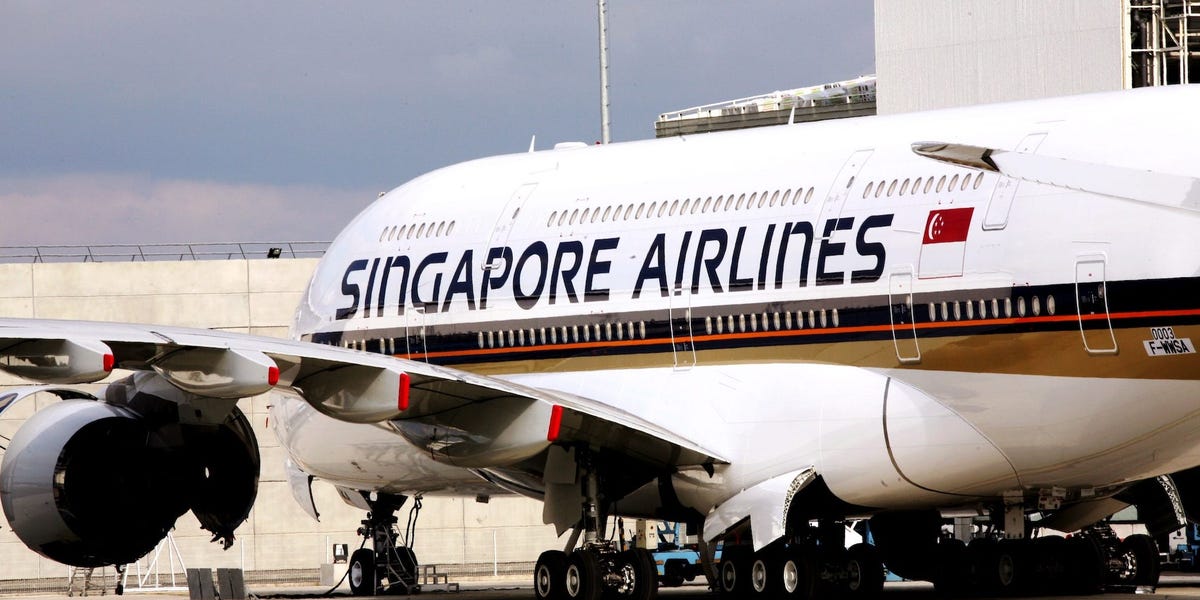
One traveler's comparison of a Singapore Airlines economy seat against repeated trips on US carriers highlights a structural gap in long-haul air travel. The airline's economy cabin offers more legroom, complimentary meals, and included checked luggage – features US carriers have stripped from basic economy fares. That difference matters most on the transpacific routes where Singapore Airlines competes directly from West Coast hubs.
Singapore Airlines' Economy Advantage on Long-Haul
Singapore Airlines invests in seat pitch and service even in the lowest fare class. Its economy seats are wider and recline further than the standard US carrier offering on comparable widebody aircraft. The airline also serves multi-course meals with complimentary alcoholic beverages, a rarity on US long-haul economy. Checked baggage is included in the base ticket, while US carriers charge extra or restrict bags in basic economy.
The result is a product that commands a price premium among travelers who value comfort. On an 11-hour flight from Los Angeles to Tokyo or San Francisco to Singapore, the difference in physical comfort becomes a deciding factor. Singapore Airlines’ load factors on these routes remain high, reflecting consistent demand despite higher fares.
US Carriers' Response to the Comfort Gap
Delta Air Lines, United Airlines, and American Airlines have not matched the Singapore economy product on the same terms. Their strategy instead focuses on upselling premium economy and extra-legroom seats (Economy Plus, Main Cabin Extra). The basic economy cabin on US carriers has narrower seats, less recline, and fewer amenities. The gap is most visible on the transpacific market, where US carriers often compete with Asian airlines on price rather than service.
US carriers have also leaned into domestic bundling that strips out seat selection and carry-on bags. That approach works on short domestic routes but suffers on long-haul international segments where passengers expect more comfort. The Basic Economy fare on a 12-hour flight feels like a worse value compared to Singapore Airlines’ inclusive economy fare.
Investor Read-Through: Differentiation Drives Pricing Power
For airline investors, the structural gap creates a clear angle. Airlines that differentiate in economy can capture a premium traveler segment willing to pay more for comfort. Singapore Airlines’ consistent load factors on US routes suggest it has pricing power that US carriers lack in the same cabin. The risk for US airlines is that a price war on the transpacific would erode yields on a route where Singapore Airlines already has a fuel-efficient fleet and a strong brand.
The read-through extends beyond passenger experience. If US carriers continue to underinvest in long-haul economy, they cede market share to Asian rivals on routes where unit revenue per mile matters most. The next decision point will come when quarterly earnings reports show transpacific revenue per available seat mile trends. A widening gap in that metric would force a valuation debate about the differential cost of service vs. revenue premium.
For more on how airline competition affects travel stocks, see our stock market analysis and compare broker options for trading these names on the best stock brokers.