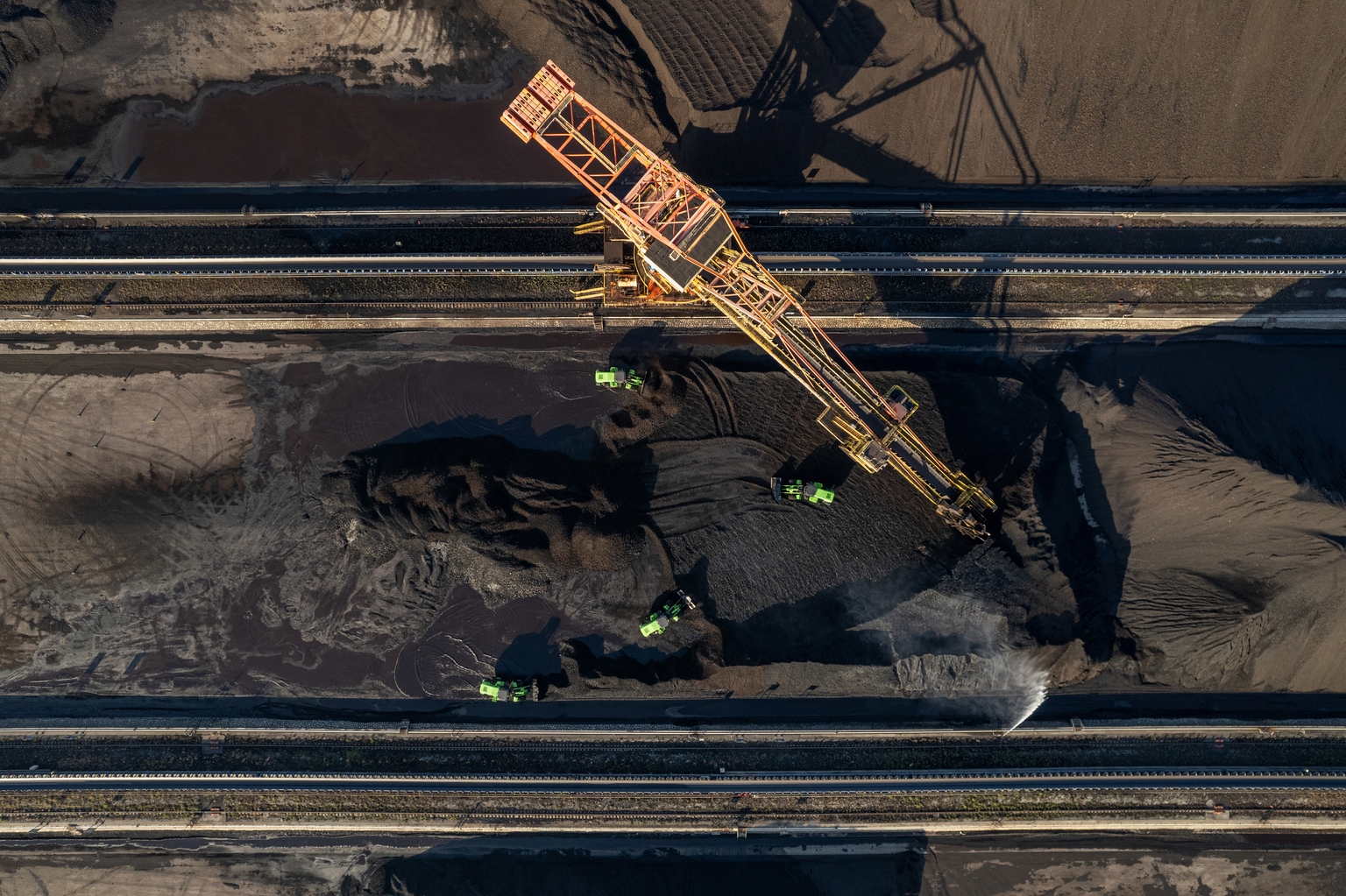
The U.S. Global GO GOLD and Precious Metal Miners ETF provides investors with active exposure to a basket of miners and royalty companies that derive the majority of their revenue from precious metals. While these companies often serve as a hedge against broader market instability, their operational performance is increasingly tethered to the underlying cost of energy. As crude oil prices remain subject to significant volatility, the cost structure for mining operations faces upward pressure that can compress margins regardless of the spot price of gold.
Operational Cost Pressures in Mining
Gold mining is an energy-intensive process. From the extraction of ore to the crushing and processing stages, miners rely heavily on diesel fuel and electricity. When oil prices rise, the cost per ounce of gold produced increases, directly impacting the profitability of companies within the GO GOLD portfolio. Because these firms operate with fixed-cost structures in the short term, they cannot immediately pass these expenses onto the market. This creates a lag between energy price spikes and the realization of lower net earnings for mining operators.
Investors looking at this sector must weigh the benefit of precious metals as a store of value against the reality of rising input costs. While the ETF structure allows for active management to mitigate some of these risks, the sector remains sensitive to the broader energy landscape. For further context on how energy market shifts impact industrial and resource-heavy sectors, see our commodities analysis.
Energy Market Linkages and Structural Risk
Energy volatility is not merely a localized issue for miners. It is part of a larger, interconnected system where supply chain constraints and geopolitical factors dictate the cost of production. Recent shifts in global crude supply, including the UAE Exit From OPEC+ Signals Structural Shift in Global Crude Supply, have introduced new variables into the cost-of-production equation. When energy prices remain elevated, the breakeven point for mining projects shifts higher, potentially delaying capital expenditure or expansion plans.
AlphaScala data currently tracks several companies across the technology and real estate sectors that face their own unique market pressures. For instance, ON stock page, WELL stock page, and U stock page all currently hold an Alpha Score of 46/100 or 45/100, reflecting a mixed outlook across their respective industries. These scores highlight that even outside of commodities, market participants are navigating a period of heightened uncertainty regarding operational costs and revenue growth.
Next Steps for Resource Investors
To monitor the impact of these variables, investors should focus on the upcoming quarterly guidance from major mining firms. The primary marker to watch is the all-in sustaining cost (AISC) reported by these companies. If AISC continues to trend upward in line with energy prices, the margin compression will likely persist, limiting the upside for mining equities even if the underlying price of gold remains stable or appreciates. The next round of earnings reports will provide the necessary data to determine if these companies can successfully manage their energy-related overhead or if further margin erosion is inevitable.