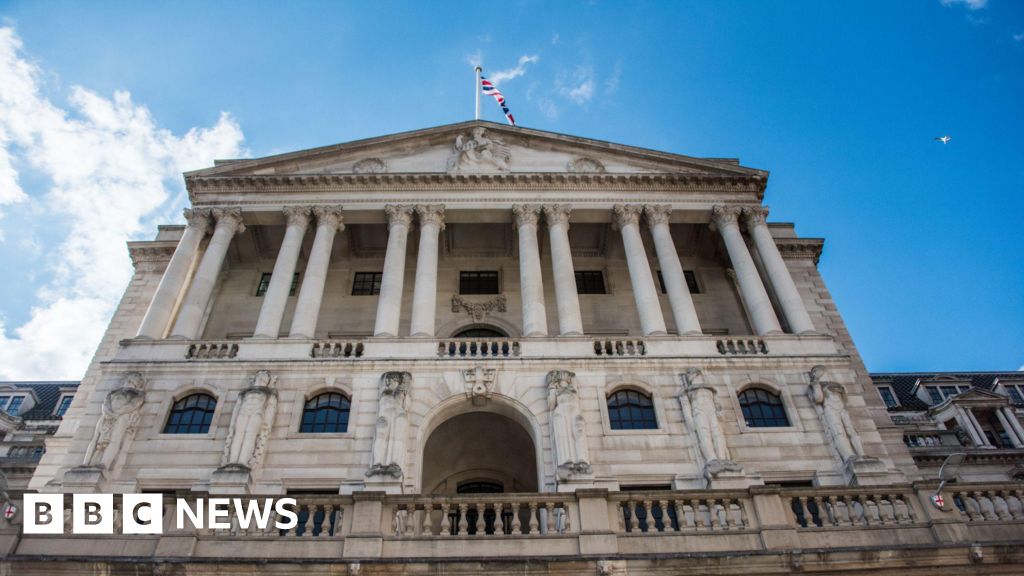
The prevailing expectation for central banks to maintain current interest rates has solidified as policymakers grapple with the unpredictable economic fallout from the escalating conflict involving Iran. While previous cycles of monetary tightening were driven by domestic inflation data, the current narrative is increasingly dictated by the potential for supply chain disruptions and energy price volatility. This shift forces a transition from data-dependent decision-making to a more cautious posture that prioritizes stability over aggressive adjustments.
The Geopolitical Transmission Mechanism
The primary concern for central banks remains the impact of regional instability on global energy markets. A sustained conflict creates a direct transmission mechanism into domestic inflation through fuel costs and transportation expenses. If these costs remain elevated, the ability of central banks to justify rate cuts diminishes, even if underlying consumer demand shows signs of cooling. This creates a policy stalemate where the desire to stimulate growth is offset by the risk of reigniting inflationary pressures through energy-linked shocks.
Sectoral Sensitivity and Capital Allocation
Industries with high capital intensity or significant exposure to energy inputs are currently navigating a period of heightened uncertainty. Companies that rely on debt financing for expansion are finding that the cost of capital is unlikely to decrease in the near term, forcing a recalibration of investment timelines. This environment often leads to a defensive rotation within equity markets, as investors prioritize companies with strong balance sheets and limited sensitivity to interest rate fluctuations.
AlphaScala data reflects this broader market indecision. For instance, Amer Sports, Inc. (AS stock page) currently holds an Alpha Score of 47/100 with a Mixed label in the Consumer Cyclical sector. Similarly, Bloom Energy Corp (BE stock page) maintains an Alpha Score of 46/100, also categorized as Mixed within the Industrials sector. These scores underscore the difficulty in identifying clear winners when macroeconomic policy remains in a state of suspended animation.
The Path Toward Policy Clarity
Market participants are now shifting their focus toward the next series of central bank communications for signals on how long this pause might persist. The key marker for a change in sentiment will be the updated inflation projections, which will incorporate the latest energy price assumptions. Until these figures provide a clearer picture of the conflict's impact on the broader economy, the baseline assumption remains a "higher for longer" environment.
Investors should monitor upcoming policy statements for any shift in language regarding the duration of the current rate plateau. Any deviation from the established rhetoric will likely serve as the primary catalyst for a repricing of risk assets. Beyond the immediate policy decisions, the focus will remain on whether energy markets can stabilize or if the conflict necessitates a more permanent adjustment to long-term economic forecasts. This period of waiting requires a disciplined approach to stock market analysis that accounts for both domestic data and external geopolitical shocks.