The Commercial Scaling of Domestic Seaweed Farming

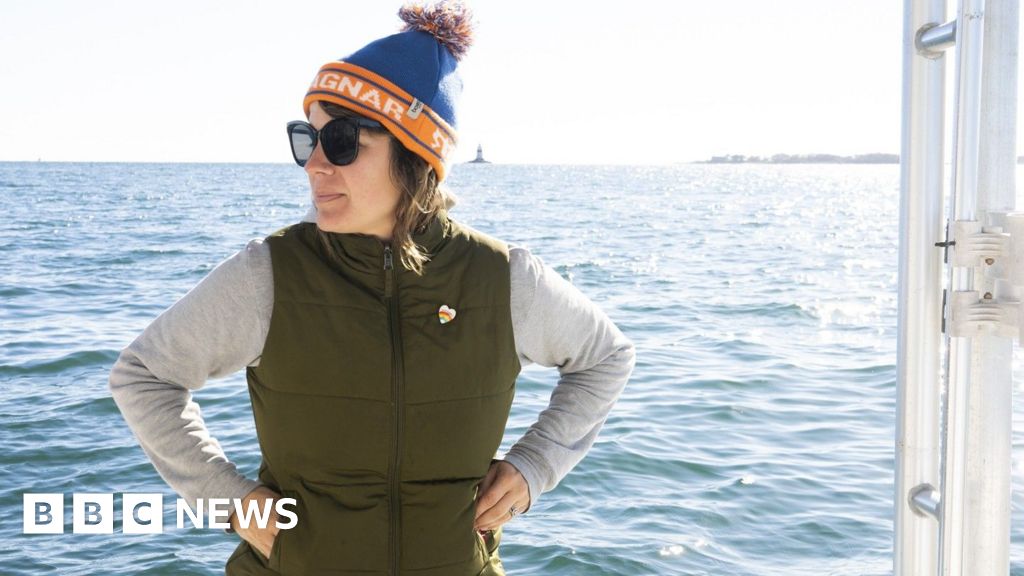
Marine farmer Suzie Flores is spearheading efforts to scale domestic seaweed production, aiming to revitalize coastal fishing economies and establish kelp as a staple in the American diet.
Alpha Score of 47 reflects weak overall profile with moderate momentum, poor value, moderate quality. Based on 3 of 4 signals — score is capped at 90 until remaining data ingests.
HASBRO, INC. currently screens as unscored on AlphaScala's scoring model.
Alpha Score of 46 reflects weak overall profile with strong momentum, poor value, poor quality, moderate sentiment.
Alpha Score of 48 reflects weak overall profile with moderate momentum, weak value, weak quality, weak sentiment.
The narrative surrounding domestic aquaculture has shifted toward the viability of seaweed as a scalable agricultural commodity. Marine farmer Suzie Flores is leading an effort to integrate kelp into the American diet while simultaneously positioning the crop as an economic anchor for struggling coastal fishing communities. This transition from niche specialty product to potential staple requires overcoming significant hurdles in supply chain infrastructure and consumer adoption.
Infrastructure and Economic Revitalization
The economic thesis for domestic seaweed production rests on its ability to utilize existing maritime assets in small fishing towns. By repurposing vessels and labor pools currently tied to traditional fishing, producers like Flores aim to create a secondary revenue stream that stabilizes local economies. The operational model relies on the seasonal nature of kelp, which allows for harvest cycles that do not necessarily conflict with established fishing seasons. This dual-use approach is essential for maintaining the capital equipment required for year-round maritime activity.
Educational initiatives at institutions like Yale University and the University of Massachusetts Boston are serving as the primary vehicle for market development. By integrating seaweed science and culinary applications into academic and local school curricula, proponents are attempting to build a long-term consumer base. This strategy targets the cultural barriers to seaweed consumption by normalizing the ingredient in institutional food service settings before attempting a broader retail rollout.
Challenges in Market Penetration
Translating the ecological benefits of kelp into a profitable business model remains the primary obstacle for the sector. While seaweed is lauded for its low environmental footprint and lack of requirement for fertilizers or freshwater, the current market lacks the processing capacity to handle large-scale distribution. The industry is currently fragmented, with many producers operating at a micro-scale that prevents the price compression necessary to compete with imported seaweed products.
Market linkage to established stock market analysis frameworks remains distant, as the sector is largely composed of private, small-scale operators. The path forward for these producers involves moving beyond direct-to-consumer sales and securing contracts with large-scale food distributors. Without this transition, the sector will likely remain a localized phenomenon rather than a significant contributor to the broader agricultural landscape.
AlphaScala data indicates that interest in sustainable aquaculture startups has increased among regional venture groups, though capital deployment remains cautious due to the lack of proven exit paths for early-stage seaweed producers. The next concrete marker for the sector will be the development of regional processing hubs. These facilities are necessary to bridge the gap between small-scale harvesting and the volume requirements of national food retailers. Investors should monitor the emergence of these processing cooperatives as a signal that the industry is moving toward a more mature operational phase.
AI-drafted from named sources and checked against AlphaScala publishing rules before release. Direct quotes must match source text, low-information tables are removed, and thinner or higher-risk stories can be held for manual review.