Oracle Scales Infrastructure for AI Demand
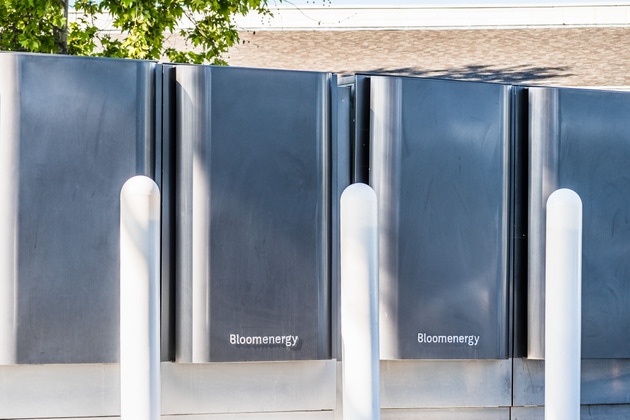
Oracle is dramatically expanding its existing partnership with Bloom Energy as it scrambles to meet the electricity needs of its growing artificial intelligence infrastructure. The enterprise software giant has secured an agreement to deploy up to 2.8 gigawatts of Bloom Energy’s solid oxide fuel cell technology. This deal targets the rapid powering of AI data centers, where energy demand currently outpaces traditional utility grid delivery timelines.
By integrating these fuel cells, Oracle aims to achieve a faster time-to-power for its facilities. This strategy effectively bypasses the lengthy queues associated with traditional energy infrastructure upgrades. It also mitigates the operational risks inherent in relying solely on constrained regional power grids.
The Shift Toward On-Site Power
Data centers require massive, consistent electricity loads to train and run large language models. The partnership reflects a broader industry trend where technology firms take direct control over their energy supply chains. Bloom Energy’s technology provides a localized power solution that can be deployed more quickly than large-scale utility projects.
Key Agreement Metrics
- Total Capacity: Up to 2.8 gigawatts of power.
- Technology: Solid oxide fuel cell systems.
- Primary Objective: Accelerated deployment of AI-ready data centers.
Strategic Implications for Energy Reliability
Oracle’s move signals that traditional power infrastructure is no longer sufficient for the current pace of AI development. For investors tracking the commodities analysis sector, the move highlights how high-tech demand is reshaping natural gas and fuel cell markets.
"The energy demand for AI is forcing companies like Oracle to bypass standard grid limitations. Bloom Energy provides the necessary modularity to keep pace with these aggressive buildouts," notes a market analyst familiar with the deal.
Market Outlook
Traders should watch how this deployment affects Bloom Energy’s supply chain overhead and Oracle’s capital expenditure efficiency. If the 2.8GW rollout proceeds according to plan, it could set a benchmark for how other tech giants manage their energy bottlenecks.
Investors interested in the broader power market should also observe how these energy-intensive projects affect natural gas prices, as many fuel cell solutions rely on gas feedstocks to generate electricity. Whether this model scales across the industry remains a primary focus for observers of the crude oil profile and alternative energy sectors.