Alcoa's $5.6B Aluminum Bet: Debt Load and AI Demand
Alcoa pays $3.1B cash plus stock for South32's alumina chain. Debt load hits $7B. Synergies hinge on metal prices. Sector read-through: AA, BE.
Alcoa agreed to buy South32's aluminum chain for up to $5.6 billion. The price includes $3.1 billion in cash, $1.0 billion in stock, about $750 million in assumed debt and lease liabilities, and up to $750 million in contingent payments tied to alumina and aluminum prices through 2030. Alcoa also takes on roughly $1.2 billion in rehabilitation provisions.
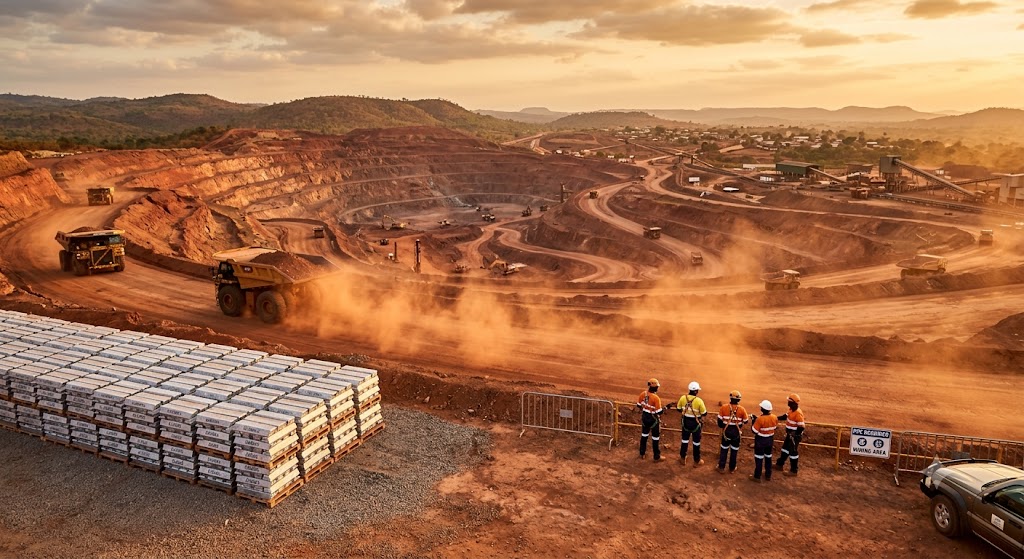
The deal covers South32's 86% stake in Worsley Alumina, 100% of Hillside Aluminium, a 33% interest in the MRN bauxite mine, and stakes in Brazilian alumina and smelter assets. Mozal Aluminium in Mozambique stays with South32, which is considering a separate sale.
Alcoa expects about $900 million in net present value synergies. South32 targets roughly $125 million a year in overhead savings and plans an initial $500 million shareholder return via an in specie distribution of half the equity consideration as a fully franked special dividend.
The deal closes out South32's leadership transition. Matt Daley became CEO July 1, with founding CEO Graham Kerr moving to a strategic adviser role. Daley told Reuters he remains open to further M&A.
The debt load is the first thing to track. Alcoa had roughly $1.8 billion in net debt before the deal. Adding $3.1 billion in cash consideration plus $750 million in assumed liabilities and $1.2 billion in rehab provisions pushes the combined debt load toward $7 billion. The combined debt load of roughly $7 billion is heavy for a cyclical commodity producer, even with the synergy target.
Alcoa's AA stock page shows an Alpha Score of 71/100, labeled Moderate. The Alpha Score reflects the company's existing operational leverage to aluminum prices. The acquisition adds more leverage – both financial and operational – to the same price cycle.
The synergy math needs metal prices to cooperate. Alcoa's $900 million NPV synergy target assumes it can cut costs across the combined asset base. The biggest lever is likely alumina refining integration: Alcoa can feed its own smelters with Worsley's output instead of buying on the open market, capturing the margin between alumina and aluminum prices. The integration works when the spread is wide. When it narrows, the synergy shrinks.
South32's $125 million annual overhead savings are more predictable, corporate staff reductions and system consolidation. Those are one-time structural gains, not recurring margin expansion.
The contingent payments create a price floor for the seller. South32 gets up to $750 million more if alumina and aluminum prices stay elevated through 2030. The structure means South32 retains upside exposure to the same cycle Alcoa is betting on. It does so without the operational risk. For Alcoa, the contingent payments are a cost if the thesis works and a saving if it does not. The contingent payments cap the buyer's upside on the price side.
The strategic rationale is real. It is long-dated. Bloomberg framed the acquisition as cementing Alcoa's position among the largest aluminum producers amid strengthening long-term demand tied to AI-driven power and infrastructure investment, plus supply concerns linked to tensions in Iran. The bull case is that Alcoa is cementing its position among the largest aluminum producers amid strengthening long-term demand tied to AI-driven power and infrastructure investment, plus supply concerns linked to tensions in Iran. The bear case is that Alcoa is paying top dollar for assets that South32 chose to exit, loading up debt at the peak of the AI-infrastructure narrative.
South32's decision to sell – and to return half the equity consideration to shareholders immediately – suggests its own board saw better risk-adjusted returns elsewhere. Daley's comment about remaining open to further M&A does not change that calculus; it just means South32 is now a cash-rich company with a mandate to deploy capital.
Alcoa is also working the power-cost side of the equation, as shown by its Statkraft power deal for the Norway smelter. Lower power costs improve smelter margins directly, which helps service the debt.
Consolidation among aluminum producers ahead of an AI-driven power and infrastructure buildout suggests the metal's demand story is now being priced by strategic buyers, not just traders. The consolidation is a signal worth watching alongside Bloom Energy Corp's financing news as part of the same broader AI infrastructure capex cycle. BE's Alpha Score is 46/100, labeled Mixed, reflecting its own execution risk in the fuel-cell space.
Alcoa's deal is a bet that the AI power buildout is real and that aluminum supply will struggle to keep up. The debt load means the margin for error is thin. If the cycle turns before the synergies materialize, the balance sheet will be the constraint.
Drafted by a large language model from the source reporting linked above, then screened by automated publishing checks. It is not read by a journalist before publication. Some articles cite our Alpha Score. Verify prices and figures against the original source. Educational coverage, not personalized advice.