Amazon Locks In $25B Bond Deal, Signals No More Debt in 2026
Amazon raises at least $25B in bonds to fund its $200B AI capex push, tells underwriters it's done issuing debt for the year. What that means for credit and equity markets.
Amazon is raising at least $25 billion in an eight-part bond sale, and the company's underwriters were told there will be no additional debt issuance for the rest of the year, sources told CNBC. The details of the capital raise were disclosed in a Tuesday SEC filing, though the dollar amount was not included. Bloomberg reported the size first.
The bond sale adds to a year of heavy fundraising. Amazon raised roughly $54 billion in bonds earlier this year in the United States and Europe, followed by a $10 billion issuance in Canada in June. The company's capital expenditures are projected to hit $200 billion this year, up from $131 billion in 2025. Most of that spending goes to data centers and chips.
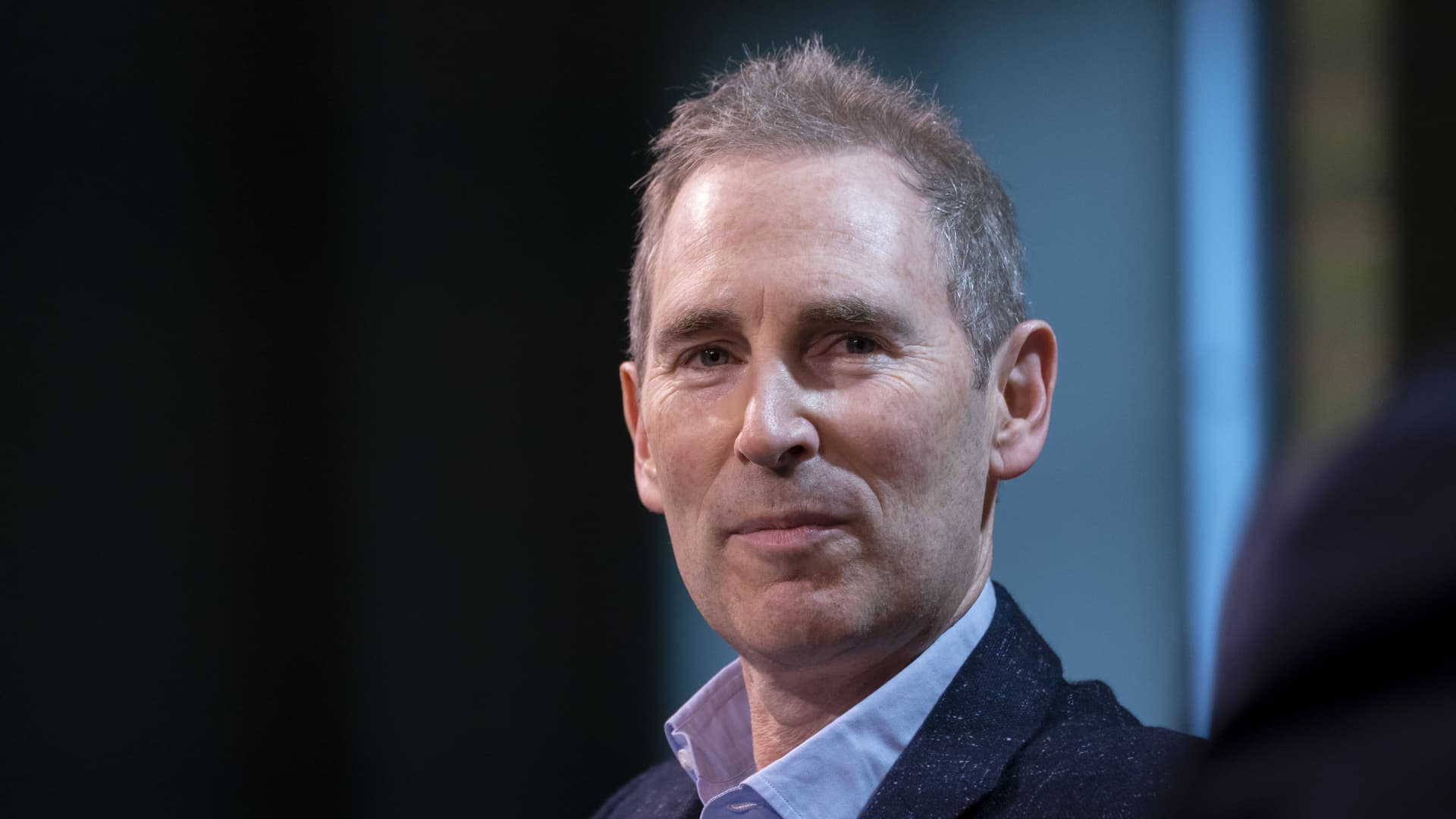
The simple read is that Amazon needs the cash to keep up with AI infrastructure demand. CEO Andy Jassy has described artificial intelligence as a "once-in-a-lifetime opportunity" that requires big bets. The better market read is that Amazon is front-loading its debt schedule. Locking in yields now, before any potential shift in the Fed's rate path, removes the risk of more expensive borrowing later in the year. Telling underwriters that 2026 is done signals that the company sees current debt markets as favorable and wants to avoid saturating the market later. A delay in AI revenue generation or a sharp rise in yields would undermine that front-loading case, traders said. A strong AWS earnings print would confirm that demand justifies the spending.
For credit investors, the message is straightforward. Amazon's debt stack will be fixed early, and the company intends to fund its capex through a mix of bonds and cash flow. The $200 billion capex figure implies heavy dependence on the bond market. If Amazon's AI investments generate returns more slowly than expected, the leverage ratio will climb faster than the company has guided. Given Amazon's cash flow, that scenario appears remote. Moody's and S&P both rate Amazon's bonds at the high end of investment grade. A sustained capex increase without a proportionate revenue lift could pressure the rating over time.
Amazon's decision to pre-fund its 2026 needs through a single large offering contrasts with a more staggered approach. The company typically issues debt in smaller tranches throughout the year. This time, the eight-part structure and the underwriters' guidance that no further debt is coming in 2026 signal that Amazon wanted to get ahead of any potential market disruption. The eight parts give flexibility to target maturities from short to long term, matching the capex timeline where the heaviest spending is concentrated over the next 12 to 18 months.
Other tech companies are also tapping capital markets. Nvidia (Alpha Score 66) and Oracle (Alpha Score 38) have announced debt raises and stock issuance in recent months. The pattern across big tech is that the cost of funding is lower than the expected return on AI, so companies are borrowing aggressively. The difference with Amazon is the sheer scale: the cumulative debt raised this year across bonds in the U.S., Europe, and Canada is approaching $90 billion.
An Amazon spokesperson said proceeds from the bond sale will be used for general corporate purposes, which could include capital expenditures and debt repayment. "We regularly evaluate our operating plan and make financing decisions, like issuing bonds, accordingly," the spokesperson said.
Drafted by a large language model from the source reporting linked above, then screened by automated publishing checks. It is not read by a journalist before publication. Some articles cite our Alpha Score. Verify prices and figures against the original source. Educational coverage, not personalized advice.