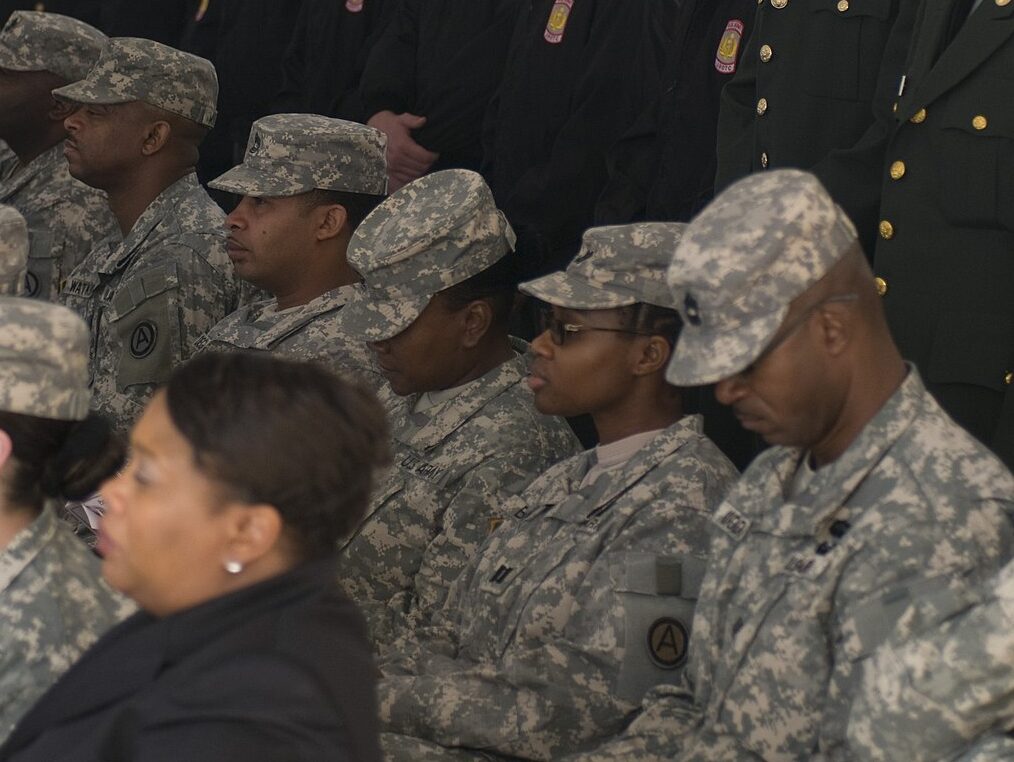
The viral emergence of grassroots barracks renovations led by Sergeant Briyana Taylor at Fort Bliss signals a growing tension between aging military infrastructure and the evolving expectations of the modern recruit. While these individual efforts focus on aesthetic and functional improvements to living quarters, they highlight a broader structural challenge regarding the maintenance and modernization of Department of Defense facilities. The ability of personnel to maintain operational readiness is increasingly tied to the quality of their immediate environment, a factor that has historically been secondary to hardware procurement and tactical deployment.
Infrastructure Deficits and Recruitment Retention
The reliance on individual initiative to address substandard living conditions underscores a persistent gap in institutional facility management. When soldiers take it upon themselves to renovate barracks, it exposes the limitations of existing maintenance budgets and the slow pace of capital improvements within military housing. This dynamic is particularly relevant as the military faces ongoing recruitment and retention challenges. The quality of life provided to service members serves as a non-monetary component of the total compensation package, and deficiencies in this area can act as a drag on long-term retention metrics.
From a fiscal perspective, the military infrastructure sector remains a massive, albeit fragmented, market. The reliance on decentralized, small-scale improvements suggests that larger, systemic upgrades are either underfunded or bogged down by bureaucratic procurement cycles. Investors monitoring the defense industrial base often focus on high-profile weapons systems, yet the operational efficiency of the force is heavily dependent on the physical infrastructure that supports daily life. A failure to address these living conditions at scale may necessitate increased future spending on facility upgrades to remain competitive in the labor market.
Sector Read-Through and Capital Allocation
The visibility of these renovation efforts serves as a proxy for the broader state of federal infrastructure spending. If the Department of Defense shifts its internal priorities to address housing quality, it could create new opportunities for contractors specializing in modular construction, rapid facility retrofitting, and sustainable building materials. Companies that can provide scalable, cost-effective solutions for aging government facilities are well-positioned to benefit if the current narrative around barracks quality forces a shift in procurement strategy.
- Increased focus on habitability standards as a retention tool.
- Potential for redirected budget allocations toward facility maintenance.
- Growth in demand for rapid-deployment interior infrastructure solutions.
This shift in focus toward the soldier experience mirrors broader trends seen in AI Integration Transforms Secondhand Retail into Scalable Infrastructure, where operational efficiency is found through the optimization of existing assets rather than just new capital expenditure. The next concrete marker for this narrative will be the upcoming federal budget hearings, where legislators are expected to address the backlog of military construction projects. Analysts will be looking for specific line-item increases for barracks modernization, which would confirm a pivot from reactive maintenance to proactive infrastructure investment. The intersection of stock market analysis and defense spending will likely track these budgetary commitments as a key indicator of institutional health and long-term operational stability.