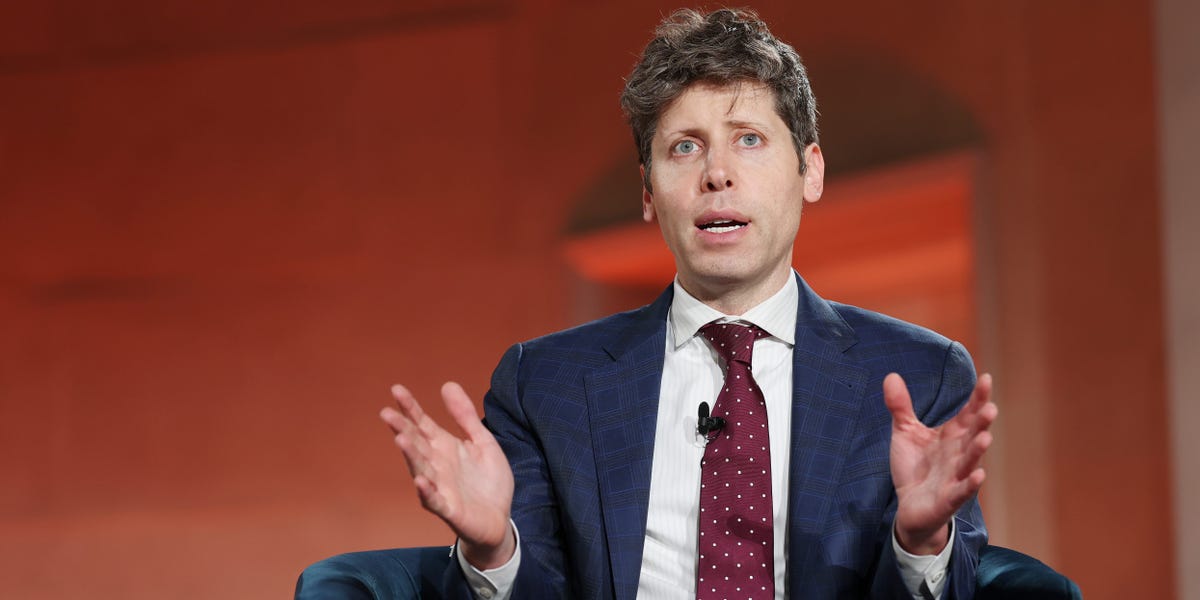
OpenAI CEO Sam Altman recently addressed a security incident involving a Molotov cocktail attack on his residence, linking the heightened climate of industry tension to the competitive rhetoric employed by rival firms. Altman specifically pointed to the communication style of Anthropic as a factor that exacerbates the adversarial nature of the artificial intelligence sector. This public acknowledgment shifts the narrative from purely technical or commercial competition to the personal and physical security risks faced by leadership in the high-stakes AI race.
Competitive Rhetoric and Industry Stability
The intersection of personal security and corporate rivalry highlights the intensity of the current AI development cycle. When executives publicly attribute the escalation of industry friction to the messaging of competitors, it signals a breakdown in the professional norms typically expected between major technology firms. This development forces a re-evaluation of how companies like OpenAI and their peers manage public perception and inter-firm relations. The focus on Anthropic suggests that the rivalry is no longer confined to product capabilities or market share but has entered a phase where communication strategies are viewed as direct contributors to the volatility of the environment.
Security Risks in the AI Leadership Landscape
Beyond the competitive implications, the incident underscores the vulnerability of high-profile figures in the technology sector. As companies like Apple (AAPL) and NVIDIA (NVDA) continue to integrate advanced AI into their core infrastructure, the pressure on the individuals leading these initiatives grows. The incident at Altman's home serves as a reminder that the rapid acceleration of AI technology carries significant social and personal externalities. For investors, this adds a layer of non-operational risk that is difficult to quantify but essential to monitor as the industry matures.
AlphaScala data currently reflects a range of sentiment across the broader technology and communication services landscape, with T stock page holding a Moderate Alpha Score of 58/100 and ON stock page maintaining a Mixed score of 45/100. These metrics highlight the varied performance expectations within sectors that are increasingly influenced by AI-driven capital allocation and executive visibility.
The Path Toward Regulatory and Social Oversight
The next concrete marker for this narrative will be the industry response to these security concerns during upcoming policy discussions. As the sector faces increased scrutiny regarding safety and ethics, the way leaders manage their public discourse will likely become a focal point for regulators. Future filings and public statements from major AI labs will be scrutinized not just for technical progress, but for their role in shaping the social and security climate of the industry. The ability of these firms to de-escalate their public rivalry while maintaining competitive momentum will be a key indicator of their long-term stability and maturity in the eyes of the broader stock market analysis community.