Oil prices fell Friday after shipping resumed through the Strait of Hormuz following a US-Iran peace agreement. The reopening eases a supply bottleneck that had pushed crude higher in recent weeks. The strait handles roughly a fifth of the world's seaborne crude, and tankers that had been waiting to transit are now moving stored barrels into the market.
Israel continues its military campaign against Hezbollah in Lebanon. That keeps regional tensions elevated and leaves the broader Middle East supply picture uncertain. Hezbollah is backed by Iran, so the peace deal may not affect that front.
US Vice President JD Vance canceled a planned trip to Switzerland to meet Iranian negotiators, Reuters reported. The cancellation raises questions about the durability of the US-Iran peace deal. Traders are watching for signs that the agreement could unravel, which would reintroduce supply risk.
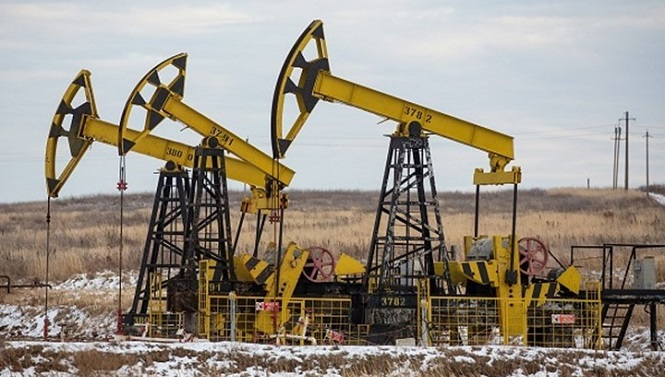
Baker Hughes data showed the US oil rig count unchanged in the week ended June 18, after seven consecutive weeks of increases. The report was released early due to the Juneteenth holiday. The flat count suggests US supply growth may be leveling off. US production has been near record highs, and a plateau in drilling activity could cap further output gains.
For traders tracking the Hormuz route, the Hormuz Mine Clearance Could Stretch Retail Supply Costs Into Q4 article explains how retail supply costs could stretch into the fourth quarter. Meanwhile, Indian refiners are sitting on two months of crude and skipping Middle East deals, a sign that demand from one of the world's biggest importers may be softening.
Baker Hughes itself carries an Alpha Score of 45 out of 100, a mixed reading in the energy sector. The flat rig count does not help the outlook for drilling services.
The next scheduled data point for oil markets is the weekly EIA inventory report, due Wednesday.