Commodities● Neutral
Hormuz Mine Clearance Could Stretch Retail Supply Costs Into Q4
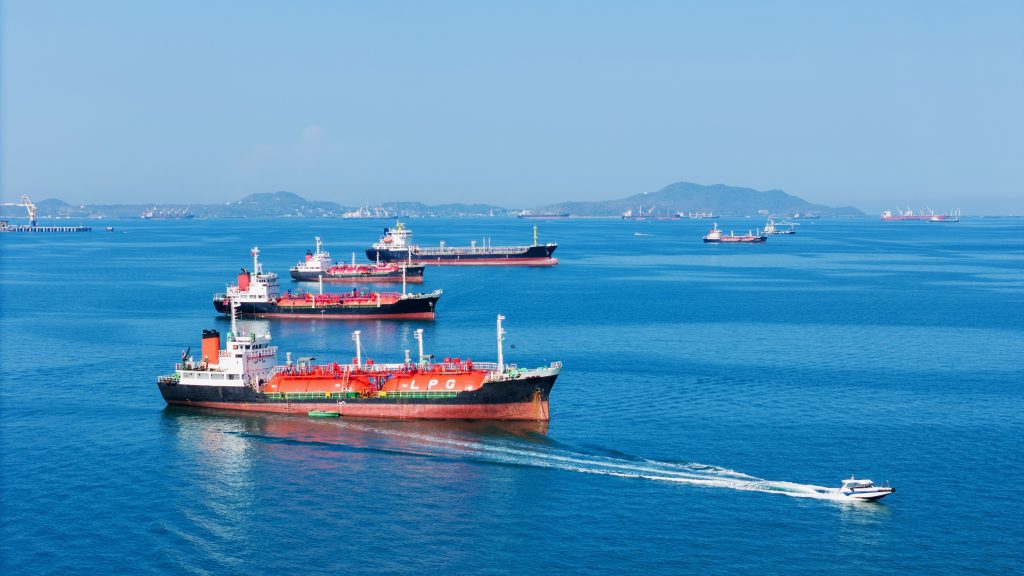
With 80 mines blocking the Strait of Hormuz after the US-Iran ceasefire, retailers face weeks of higher logistics costs that may extend into holiday procurement budgets.
Continue with
Normal shipping through the Strait of Hormuz is expected to stay disrupted for weeks after the US-Iran ceasefire, leaving about 80 mines in the waterway. Retailers that rely on the route for crude, refined fuels and containerised goods face another wave of freight and energy cost increases.
The strait carries roughly a fifth of the world's oil supply. With the channel partially blocked, tanker rates have already repriced. Retailers with thin logistics margins – grocers, discount chains and fast-fashion importers – are most exposed. Fuel surcharges on trucking and air freight tend to lag crude moves by two to four weeks, meaning the cost hit is still working through supply contracts.
Energy costs create a second channel of pressure. Refineries in Asia and Europe that depend on Middle Eastern crude are paying more for spot cargoes. That feeds into electricity and heating costs for warehouses, stores and cold-chain logistics. For UK retailers, where energy is a material line item, the timing is awkward: the autumn resupply cycle for holiday inventory starts soon.