Oil Drops 1% on US-Iran Ceasefire Extension; Weekly Loss 10%
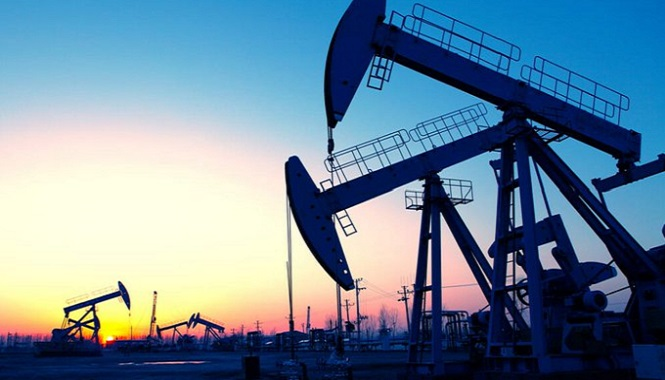
Brent crude fell 1.1% to $92.67 after US-Iran ceasefire extension report. Weekly loss of 10.5% is steepest since April. Deal still needs Trump approval, leaving execution risk for traders.
Brent crude fell 1.1% to $92.67 a barrel on Friday while WTI crude slid 1.4% to $87.64, after reports that the US and Iran agreed to extend a ceasefire and lift navigation restrictions through the Strait of Hormuz. The move put both benchmarks on track for their steepest weekly declines since early April – Brent down 10.5%, WTI down 9.2% – as traders priced out the supply-risk premium that has built over three months of conflict.
Sources told Reuters on Thursday that Washington and Tehran had reached the agreement. US President Donald Trump has not yet approved it. Iranian state media said the deal has not been finalized. That uncertainty is the first problem for anyone treating the selloff as a done deal.
The Catalyst: Hormuz Reopening and the Risk Premium Deflation
The Strait of Hormuz normally carries about one-fifth of global oil and LNG supplies. Traffic has remained well below prewar levels through the three-month conflict, forcing producers to curtail output because storage constraints made it impossible to ship. A formal reopening would remove the most acute physical bottleneck in the market.
The source reports also make clear the agreement is not executed. The gap between a tentative deal and a signed one is exactly the kind of execution risk that can trigger violent snap-backs in a market that has already repriced a 10%+ move in a single week.
What the Weekly Move Tells Traders
The magnitude of the weekly decline – Brent's largest since the week ended April 6 – signals that positioning is being aggressively unwound. Hedges bought during the conflict are being sold. Short-dated options premium is collapsing. The question is whether the move has overshot on a deal that still requires presidential sign-off.
The Mechanism: Production, Storage, and the Lag in Recovery
ING analysts provided the most concrete framework for thinking about supply recovery. They noted that reopening the waterway would provide immediate relief. They warned that recovery remains uncertain. Production and drilling activity have fallen sharply since the war, with producers curbing output due to storage constraints.
Key insight: The supply bottleneck has already destroyed production capacity. Restarting wells takes weeks, not hours. Regional refineries sustained damage during the conflict and will need time to restore operations. ING expects output to recover gradually rather than immediately.
That gradual recovery profile means the physical market will not flood back overnight even if the Hormuz channel clears. The risk premium may have deflated faster than the actual supply restoration timeline supports. That is the tension underpinning the next move.
Storage Constraints as a Price Floor
Producers shut in wells during the war because they had nowhere to store crude. If the strait reopens, that stored inventory will move first, easing the immediate supply squeeze. If the deal stalls, producers will remain constrained and prices will spike again as markets reprice the disruption. The storage overhang acts as a near-term cap on upside. It also acts as a floor under downside: only a confirmed reopening allows inventories to clear.
The Asset: Crude Markets and the Broader Commodity Complex
The primary affected asset is crude oil, both Brent and WTI. The LNG market is also exposed because the Strait of Hormuz is a critical chokepoint for liquefied natural gas carriers. Cheniere Energy (LNG) carries an Alpha Score of 66/100 (Moderate) at AlphaScala, reflecting its exposure to both US Gulf Coast export capacity and global shipping risk. Should Hormuz reopen fully, LNG supply-side pressure eases. A failure to finalize the deal would leave LNG shipping costs elevated.
Correlation to Broader Commodities
Gold, which had rallied on safe-haven flows during the conflict, also faces a repositioning. A confirmed truce drains the geopolitical bid from gold. A collapse in deal talks would reverse the outflow. The gold profile at AlphaScala tracks that correlation. Similarly, equity markets – particularly Asian indices like Australian shares – have rallied on truce hopes, as seen in our earlier analysis of Iran Truce Hopes Reprice Oil Risk; Australian Shares Surge.
The commodity complex now hinges on a binary outcome: signed deal or deadlock.
The Decision Point: Two Scenarios for the Next Week
Traders face a clear fork after Friday's move. The simple read is that peace is priced in and crude heads to $80. The better market read requires weighing the execution risk and the supply-inventory lag.
Scenario 1 – Confirmed Truce
Trump signs the extension. Hormuz traffic resumes. Crude falls further toward $80 as hedges unwind and physical flows restart. The decline will slow as the market absorbs the reality that production recovery takes weeks. ING's framework supports a gradual grind lower, not a crash. Short-sellers would need to watch for a floor forming around $85–$87 WTI.
Scenario 2 – Deal Stalls or Collapses
The US president does not sign. Iran walks back. The risk premium re-emerges instantly. Brent could gap back above $95 within a session as shorts scramble to cover. The stored-inventory overhang becomes irrelevant. The market would be back to pricing full disruption. The 10% weekly drop would be erased in days.
Risk to watch: The lack of a final signature is the single highest-conviction variable. Every trader holding a short into the weekend is betting on certainty in a process that has repeatedly produced uncertainty.
The AlphaScala Take
Bottom line for traders: The market has priced the happy path. The better trade is to wait for confirmation before committing to the downside. The asymmetry – a 10% gap down versus a potential 15% snap-back – favors staying neutral or holding a small long hedge through the weekend. The ING stock page, with an Alpha Score of 75/100 (Strong) in Financial Services, reflects the bank's analytical edge in this space. The trade itself belongs to oil, not the analysts.
For deeper context on the broader geopolitical repricing, see our earlier analysis on Iran Crisis Reprices Oil Supply Risk; Airlines Face Margin Squeeze and the evolving commodities analysis section at AlphaScala.
Drafted by a large language model from the source reporting linked above, then screened by automated publishing checks. It is not read by a journalist before publication. Some articles cite our Alpha Score. Verify prices and figures against the original source. Educational coverage, not personalized advice.