Iran Truce Hopes Reprice Oil Risk; Australian Shares Surge
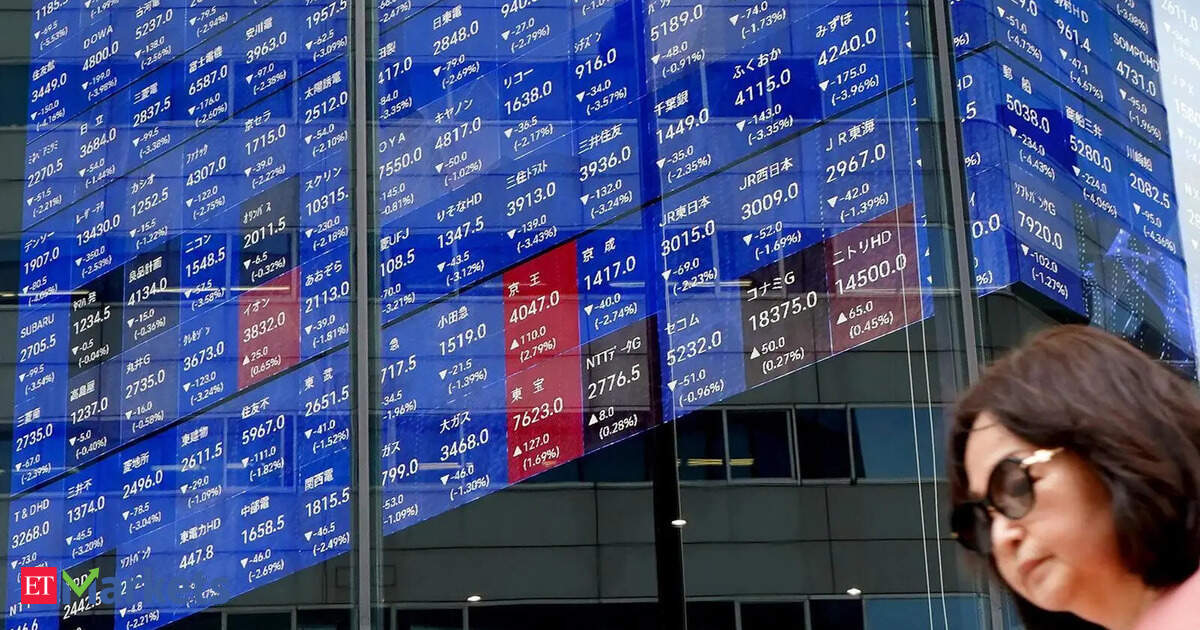
Australian shares surged as Gulf peace hopes lower oil risk premium. Airlines lead gains; Indian IT and financials stand to benefit if crude stays down.
Oil Risk Premium Unwinds as Diplomacy Takes Hold
Australian shares posted their best single-day gain in seven weeks on diplomatic signals pointing toward de-escalation in the Gulf crisis involving Iran. The move reflects a mechanical repricing: when diplomatic channels open, the probability of a supply disruption embedded in crude oil futures declines. For energy-importing economies like Australia and India, lower oil directly reduces imported inflation and input costs.
The naive read is that this is a broad risk-on rally. The better market read is that it is a sector-specific compression of the geopolitical risk premium in oil. If the diplomatic signals solidify into a formal truce, crude could break below its recent range. If talks stall, that premium snaps back. The market is pricing a binary catalyst, not a trend shift.
Airlines Capture the Immediate Fuel-Cost Benefit
The most direct readthrough from lower oil is the airline sector. The source references Akasa Air as an Indian carrier exposed to the Iran crisis. Jet fuel accounts for 30-40% of an airline's operating costs. A sustained decline in crude prices directly improves unit cost and operating margin. Australian shares rallied in part because Qantas and Virgin Australia are large index constituents; their share prices are highly correlated with Brent crude. The same logic applies to Indian carriers like Akasa, IndiGo, and SpiceJet. Lower fuel costs mean lower cash burn and a faster path to profitability.
Transport and logistics companies also capture this benefit. Fuel surcharges on trucking and shipping often lag spot oil prices by several weeks. A drop in crude today will improve margins in the next quarter. The readthrough is confirmed by sector performance: transport stocks were among the top gainers on the Australian exchange during this session. For a deeper look at how the Iran crisis reprices oil risk across airlines, see our earlier analysis: Iran Crisis Reprices Oil Supply Risk; Airlines Face Margin Squeeze.
Broader Readthrough: Indian IT, Financials, and the Rupee Channel
Beyond airlines, the Indian IT sector stands to gain indirectly. Lower oil prices reduce India's trade deficit because the country imports about 85% of its crude requirement. A narrower deficit supports the rupee and lowers imported inflation. That reduces pressure on the Reserve Bank of India to keep rates elevated. For HDFC Bank, lower rates mean lower deposit costs and better net interest margins. For Infosys and Wipro, a stable rupee lowers volatility in reported dollar-denominated revenue.
The link is not mechanical. A weaker USD often accompanies lower oil, which negatively impacts IT exporters because their revenue is in dollars while costs are in rupees. The net effect depends on the speed of the currency adjustment. For now, the market is pricing the cost-saving benefit more heavily than the forex headwind.
AlphaScala Scores Reflect the Mixed Signals
AlphaScala's proprietary ratings capture the current ambiguity. HDFC Bank (/stocks/hdb) carries an Alpha Score of 38/100 (Mixed) in Financial Services. Infosys (/stocks/infy) scores 57/100 (Moderate) in Technology. Wipro (/stocks/wit) scores 46/100 (Mixed) in Technology. These scores reflect the two-way risk: lower oil improves the macro backdrop, IT still faces demand uncertainty in the US and Europe. A confirmed truce would shift the scores upward, particularly for financials.
The Next Decision Point
The market will watch for official statements from Iran, the US, and Gulf intermediaries in the coming days. If diplomatic channels produce a timetable for de-escalation, crude could break below the recent range. That would trigger another leg higher for airlines, transport, and Indian financials. If talks collapse, the Australian rally will prove to be a one-day reversal. The catalyst is binary, and the window for confirmation is narrow.
Drafted by a large language model from the source reporting linked above, then screened by automated publishing checks. It is not read by a journalist before publication. Some articles cite our Alpha Score. Verify prices and figures against the original source. Educational coverage, not personalized advice.