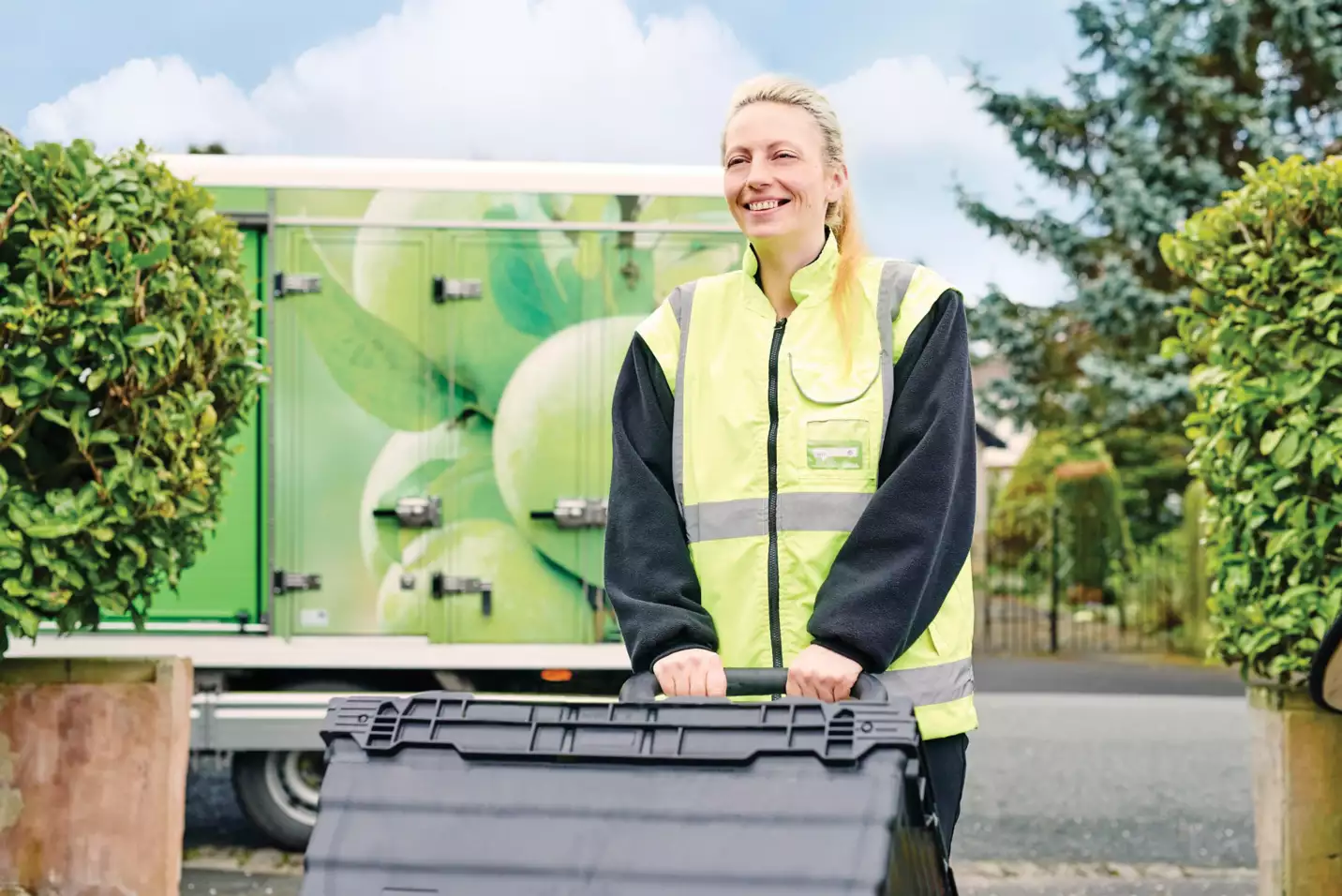
Asda, the UK’s third-largest grocer, has signed a partnership agreement with Ocado Group to replace its aging e-commerce infrastructure. Starting in 2027, Asda will deploy Ocado’s Smart Platform across its website, mobile app, in-store picking operations, and home delivery network. The deal gives Ocado a third major domestic client for its warehouse-and-software system, after Morrisons and its own joint venture with Marks & Spencer (Ocado Retail).
Ocado’s Third Major UK Client: The Asda Deal
Asda has been losing market share to Tesco and Sainsbury’s in the online grocery channel. Its legacy picking and fulfillment setup struggled to match the delivery speed and slot availability that competitors offered. Rather than build its own solution from scratch – a multi-year, high-risk project – Asda is paying for Ocado’s proven platform. The catch: Asda will have limited control over future software changes, and the migration itself could create short-term friction with customers expecting seamless service during the transition.
Ocado’s core investment thesis rests on licensing its proprietary technology to grocers who lack the capital or expertise to build their own automated fulfillment systems. The Asda contract validates that model in Ocado’s home market, where Ocado Retail already operates a direct-to-consumer business. The deal adds recurring software-and-service revenue without the inventory risk Ocado carries on its own grocery books. Execution remains the dominant risk: Ocado has a history of delayed warehouse openings and cost overruns. Committing to a 2027 launch with Asda gives the company roughly 18 months to code, test, and integrate systems at a retailer that has never run Ocado-powered logistics.
Why the 2027 Timeline Creates a Binary Outcome
Integration timelines in grocery technology have a poor record. Ocado’s partnership with Morrisons experienced initial delays. Asda simultaneously runs its current operation and installs a parallel system. Any disruption to order fulfillment, slot booking, or delivery accuracy during the cutover will be visible immediately in customer churn. The next concrete marker is Ocado’s mid-2026 capital markets update, where management will likely provide a clearer timeline and cost estimate for the Asda rollout. If Ocado guides to a smooth pilot by early 2027, the stock will reprice upward. If it flags any scope creep, the shares will price in execution discount.
The Next Decision Point for OCDO Investors
For now, the story is a binary event with a long lead time. Ocado gains a revenue stream and strategic validation. Asda gains a modern platform – but only if Ocado delivers on time and within budget. The best use of this news is to add Ocado to a watchlist and track the next milestone: a formal integration plan with capex estimates. A clean rollout in 2027 would permanently upgrade Ocado’s earnings quality. A delay would reinforce the skepticism that has kept the stock’s multiple compressed.
stock market analysis best stock brokers