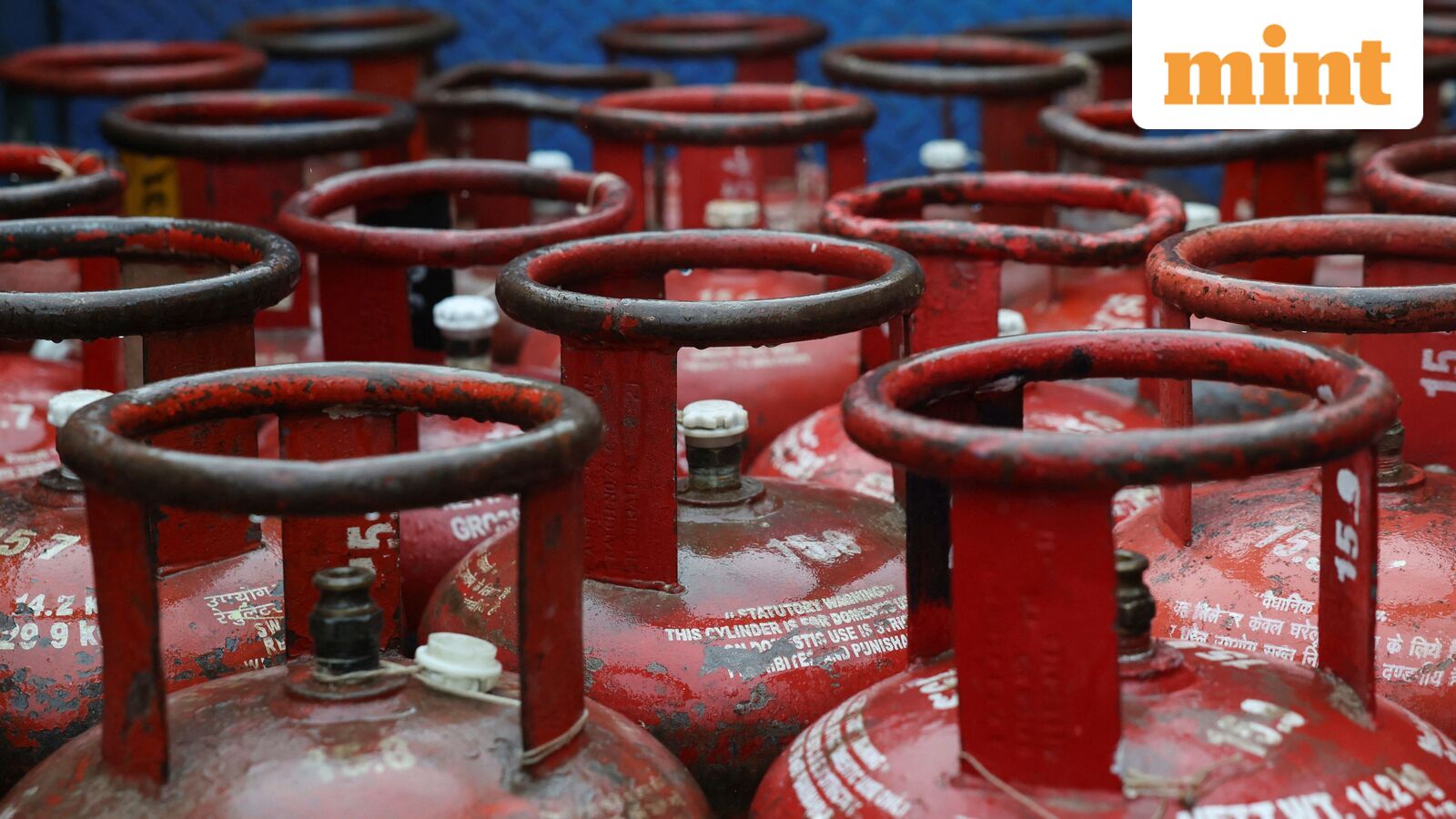
The recent stabilization of LPG cylinder pricing across major Indian metropolitan centers reflects a broader shift in domestic energy management. As the summer season reduces the baseline demand for heating and cooking fuel, the government has moved to prioritize supply chain consistency. This adjustment follows a period of heightened volatility caused by geopolitical friction in West Asia, which historically creates significant pressure on regional logistics and energy import costs.
Domestic and Commercial Pricing Dynamics
LPG pricing in cities like Delhi, Mumbai, and Bengaluru remains a critical indicator of the government's success in balancing subsidy obligations with global market realities. While commercial demand often fluctuates based on hospitality and industrial activity, domestic pricing is increasingly tied to the state's ability to secure steady import volumes. The current pricing structure suggests that the government is attempting to insulate the retail consumer from the immediate shocks of international supply disruptions.
This stabilization is occurring alongside broader concerns regarding the resilience of energy infrastructure. As noted in recent assessments of geopolitical friction and the fragility of regional logistics, the reliance on imported energy sources leaves domestic pricing vulnerable to maritime and transit interruptions. The current pricing environment is characterized by:
- A seasonal decline in household demand that eases pressure on distribution networks.
- Continued government intervention to maintain price ceilings for domestic cylinders.
- Persistent cost-push inflation in the commercial sector due to higher logistics premiums.
Sectoral Read-through for Energy Distribution
For energy distributors, the current pricing environment presents a challenge in margin management. When the government prioritizes supply availability over market-linked pricing, distributors often absorb the variance in import costs. This dynamic is particularly relevant for companies operating within the stock market analysis framework, where energy-related equities are frequently evaluated based on their exposure to state-controlled pricing mechanisms.
Investors should monitor how these pricing adjustments influence the operating margins of state-backed energy firms. If the government continues to prioritize supply security, the lack of pricing flexibility could dampen the earnings outlook for downstream distributors. Conversely, any move toward a more transparent, market-linked pricing model would likely trigger a re-rating of these assets as they shed the burden of implicit subsidies.
The Path to Price Normalization
The next concrete marker for this sector will be the upcoming review of import parity pricing. Any shift in the government's stance on subsidies will be reflected in the next monthly adjustment cycle. Should global energy prices remain elevated due to ongoing regional instability, the government may be forced to choose between further fiscal expansion to cover subsidies or allowing a gradual pass-through of costs to the commercial and domestic sectors. The decision will serve as a primary indicator of the state's fiscal priorities heading into the next quarter.