Back to Markets
Stocks● Neutral

Geopolitical Signaling and the Strait of Hormuz Transit Narrative

Geopolitical Signaling and the Strait of Hormuz Transit Narrative

The diplomatic framing of the Strait of Hormuz as a stable transit corridor signals a shift in geopolitical risk, potentially easing energy market volatility ahead of upcoming high-level bilateral meetings.

The recent diplomatic commentary regarding the Strait of Hormuz marks a shift in how global powers are framing the stability of critical energy transit corridors. By highlighting the satisfaction of Chinese leadership concerning the status of this maritime chokepoint, the narrative moves away from immediate supply disruption fears and toward a framework of bilateral negotiation. This development suggests that major economies are prioritizing the continuity of energy flows as a prerequisite for broader trade discussions.

Diplomatic Alignment on Energy Security

The Strait of Hormuz serves as a primary artery for global oil and liquefied natural gas shipments. When leadership explicitly links the status of this waterway to the satisfaction of key importing nations, it signals a temporary de-escalation of regional maritime risk. For energy markets, this reduces the immediate pressure on risk premiums that typically inflate when transit security is in question. The focus now shifts from potential kinetic disruption to the diplomatic leverage that control over such corridors provides during high-level summits.

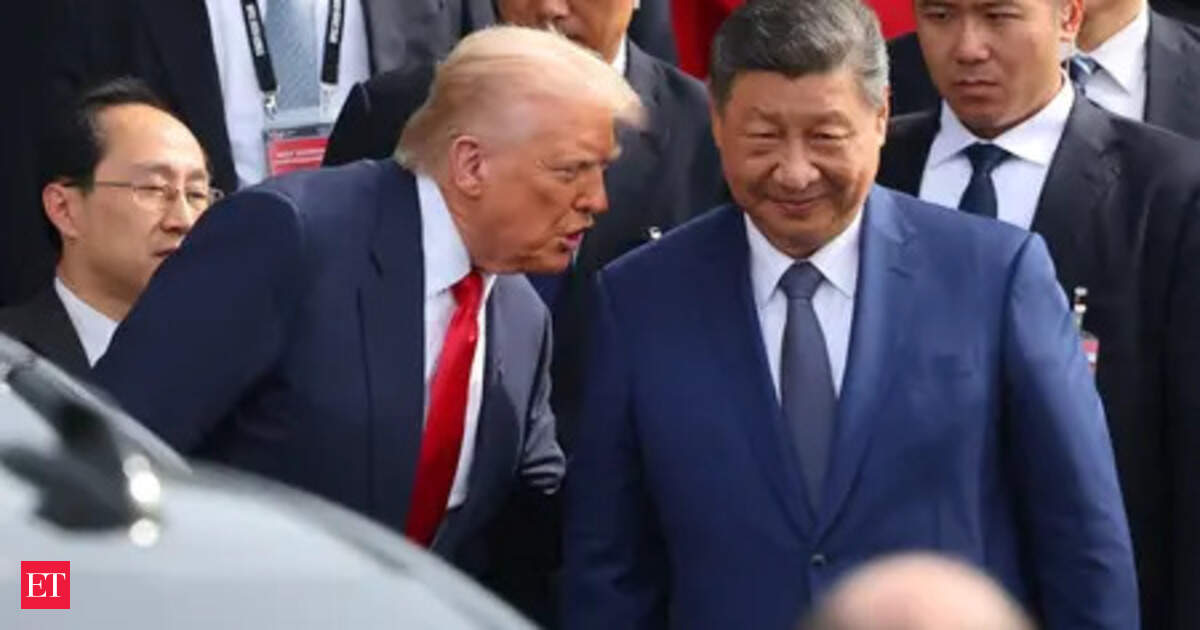
This alignment between the United States and China on the stability of the Strait suggests a mutual interest in preventing volatility that could undermine domestic economic agendas. If the transit corridor remains open and secure, the focus for energy traders will return to fundamental supply and demand metrics rather than geopolitical hedging. The upcoming meeting between the two heads of state will likely serve as the venue for formalizing these understandings, potentially setting a tone for energy trade policies in the coming quarters.

Market Context and Trade Linkages

The intersection of energy security and international trade policy remains a primary driver for stock market analysis. When geopolitical actors frame energy transit as a point of cooperation, it often provides a floor for energy-sensitive equities that have been battered by uncertainty. Investors should monitor whether this diplomatic optimism translates into consistent tanker traffic and stable insurance premiums for vessels operating in the region.

  • Diplomatic framing of energy transit stability.
  • Reduction in immediate geopolitical risk premiums.
  • Potential for broader trade agreements following energy security alignment.

AlphaScala data indicates that energy sector volatility often correlates with the frequency of high-level diplomatic mentions of maritime chokepoints. When leaders publicly acknowledge the status of these corridors, the immediate impact is typically a compression in the implied volatility of energy-related assets.

The Path to the Upcoming Summit

The next concrete marker for this narrative is the actual convening of the bilateral meeting. Markets will look for specific policy outcomes, such as commitments to maintain open shipping lanes or agreements on energy import volumes. Any deviation from the current narrative of cooperation during the summit would likely trigger a rapid repricing of energy risk. Until that meeting occurs, the market will treat the current status of the Strait as a stabilized variable in the global energy supply chain. Investors should watch for official readouts following the summit to determine if the current diplomatic alignment holds or if new friction points emerge regarding trade and energy access.

How this story was producedLast reviewed Apr 18, 2026

AI-drafted from named sources and checked against AlphaScala publishing rules before release. Direct quotes must match source text, low-information tables are removed, and thinner or higher-risk stories can be held for manual review.

Editorial Policy·Report a correction·Risk Disclaimer