Stocks● Neutral
Natick Labs Pivot Forces New Defense Procurement Standards
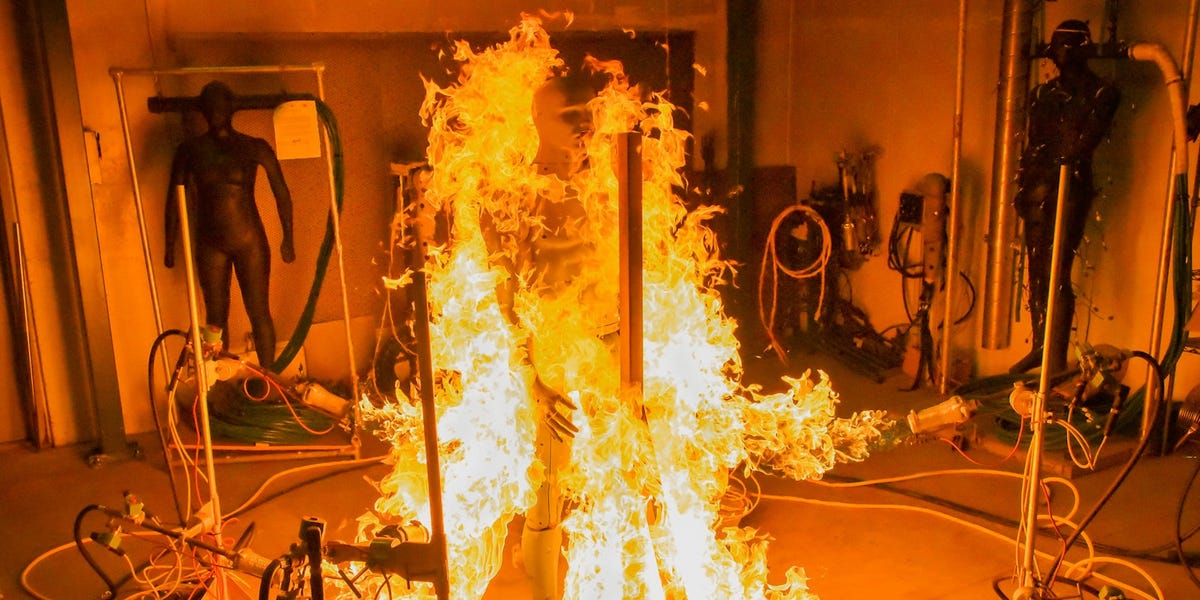
Rigorous environmental stress testing is reshaping long-term defense contracts. Firms mastering material resilience will lead the next budget cycle.
Continue with
The US Army’s Natick Soldier Systems Center has intensified its testing protocols for soldier gear as the military shifts its strategic focus toward operations in extreme climates. By subjecting uniforms, rations, and field equipment to rigorous environmental stress tests, the facility is establishing new benchmarks for durability and performance. This shift indicates a departure from traditional procurement cycles, moving toward specialized equipment designed for high-intensity, multi-environment conflict.
Operational Readiness and Material Innovation
The facility’s current testing cycle focuses on the intersection of human physiology and material science. Engineers are pushing equipment to failure points in simulated arctic and desert conditions to determine the limits of current supply chains. This process is not merely about incremental improvements to existing kits. It represents a fundamental re-evaluation of how the military manages the weight and utility of the individual soldier’s loadout. As the Army prepares for diverse theaters of operation, the ability to maintain operational effectiveness in extreme temperatures has become a primary driver of research and development expenditure.
These testing cycles directly influence the long-term contracts awarded to defense contractors. Companies that can demonstrate material resilience under the specific conditions validated at Natick are increasingly favored in the bidding process. This creates a clear link between the lab's experimental outcomes and the future capital allocation of the defense sector. The focus on modularity and climate-specific adaptability is expected to dictate the next generation of logistics and supply chain requirements for the Department of Defense.