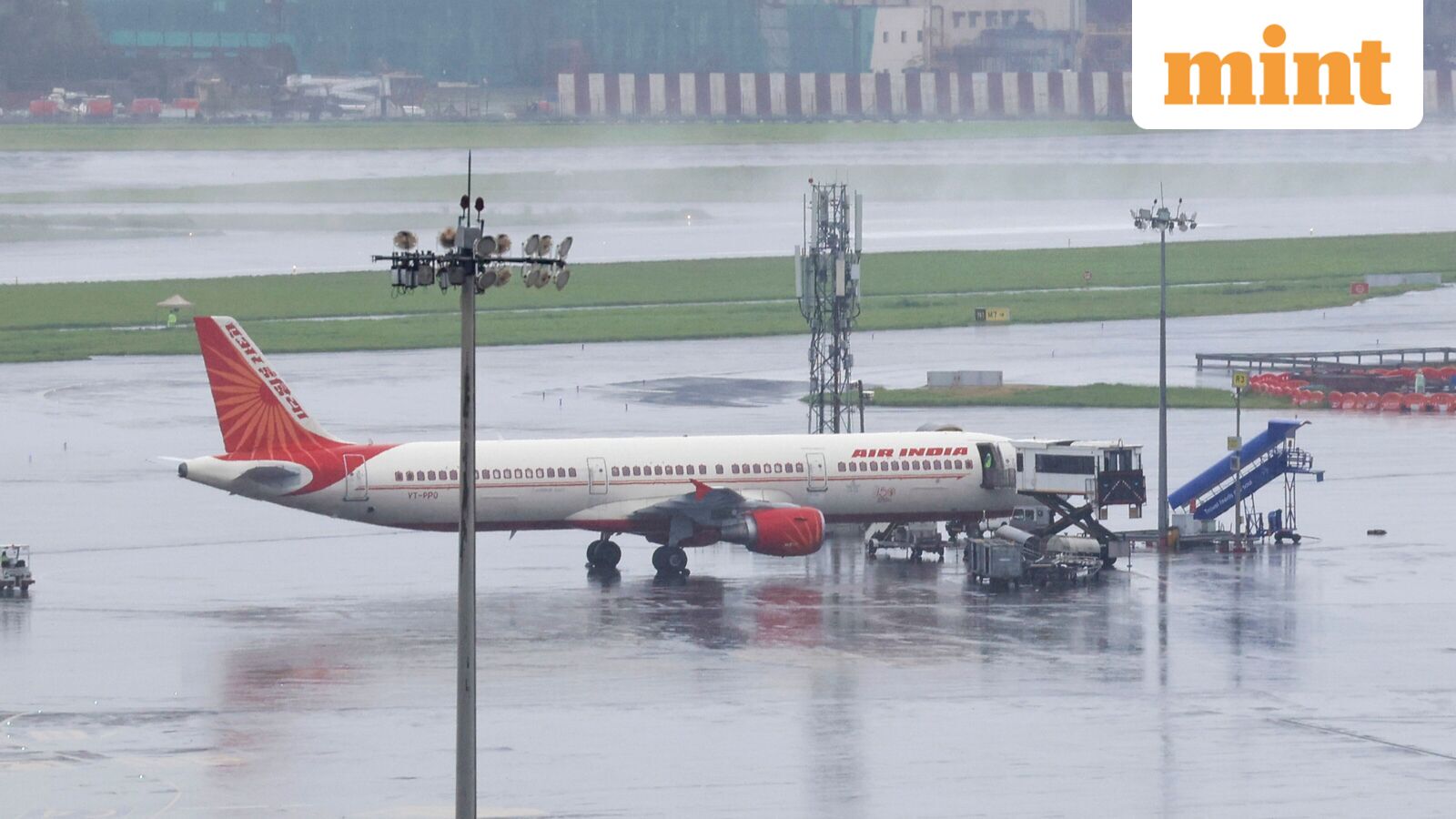
Mumbai's CSMIA will suspend all passenger and cargo flights for 6 hours on 7 May 2026 for pre-monsoon maintenance, impacting logistics and flight schedules.
Alpha Score of 37 reflects weak overall profile with poor momentum, poor value, moderate quality, moderate sentiment.
Chhatrapati Shivaji Maharaj International Airport (CSMIA) in Mumbai has confirmed a full suspension of operations for both runways on 7 May 2026. The facility will remain non-operational for both passenger and cargo traffic between 11:00 AM and 5:00 PM. This six-hour window is designated for intensive pre-monsoon maintenance, a standard operational requirement for the airport to ensure infrastructure integrity before the heavy rainfall season begins.
The suspension of activity at one of India's primary aviation hubs creates a localized bottleneck for logistics chains. Because the closure affects both runways simultaneously, the impact extends beyond passenger travel to include time-sensitive cargo movements. Shippers and logistics providers relying on Mumbai as a transit point must account for this six-hour gap in throughput. The airport authority has explicitly advised stakeholders to verify flight schedules in advance to mitigate potential backlogs or delays in supply chain arrivals and departures.
For those tracking the broader stock market analysis, this event serves as a reminder of the operational dependencies within regional infrastructure. While the closure is a planned maintenance event rather than an emergency, the concentration of flight cancellations during the midday period will force a temporary redistribution of traffic to neighboring airports or result in delayed departures for evening slots. The primary risk for logistics-heavy firms is the compounding effect of these cancellations on downstream distribution schedules.
Pre-monsoon maintenance at major airports is a critical operational necessity. The intensity of the monsoon season in Mumbai requires that runway surfaces, drainage systems, and lighting infrastructure be in peak condition to handle high-volume traffic during periods of low visibility and heavy precipitation. By executing this work in a single six-hour block, the airport aims to minimize the duration of the disruption, though the trade-off is a complete halt of all incoming and outgoing movements during that window.
Investors and logistics managers should view this as a scheduled friction point. The decision to close both runways simultaneously indicates a scope of work that cannot be performed in a staggered fashion, such as surface repairs or deep-level electrical maintenance. The next concrete marker for stakeholders is the resumption of service at 5:00 PM on 7 May. Any extension beyond this window due to unforeseen maintenance complications would signal a more significant infrastructure concern, potentially impacting the reliability of the airport's throughput for the remainder of the quarter.
AI-drafted from named sources and checked against AlphaScala publishing rules before release. Direct quotes must match source text, low-information tables are removed, and thinner or higher-risk stories can be held for manual review.