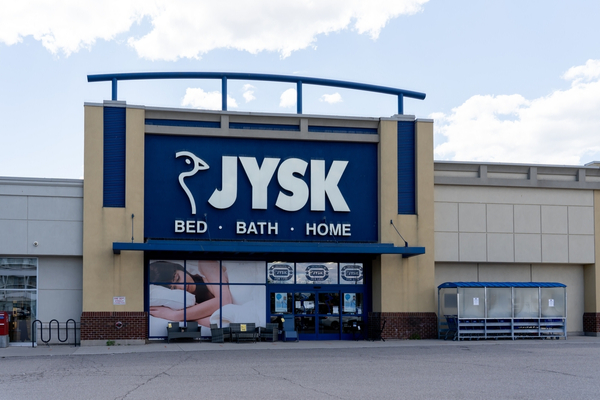
JYSK is pivoting its long-term growth strategy toward high-density urban centers, committing to the opening of 100 new stores across major European cities over the next three years. This move marks a departure from the retailer's traditional reliance on suburban retail parks and peripheral locations, signaling a broader attempt to capture foot traffic in capital cities and densely populated metropolitan hubs.
Urban Real Estate and Retail Footprint
The shift toward city-center locations carries significant implications for the European retail landscape. By targeting prime urban real estate, JYSK is entering a more competitive leasing environment where square footage costs are substantially higher than in out-of-town developments. This strategy requires a refined inventory management model, as smaller urban footprints necessitate higher inventory turnover and a curated product selection compared to the expansive showrooms typical of suburban furniture retailers.
For competitors in the home furnishing sector, this expansion serves as a direct challenge to established urban players. The move suggests that JYSK believes its value-oriented model can successfully penetrate markets where space constraints have historically favored smaller boutique or high-end retailers. The success of this initiative will depend on the company's ability to maintain its price-sensitive value proposition while absorbing the increased overhead costs associated with premium urban locations.
Competitive Read-Through for European Retail
The decision to prioritize city centers reflects a broader trend among retailers seeking to mitigate the decline in physical store visits by meeting consumers where they live and work. As JYSK scales its presence in these high-traffic zones, it places pressure on other mid-market home goods providers to defend their urban market share. Investors tracking the stock market analysis for the retail sector should note that this shift could lead to increased capital expenditure across the industry as firms compete for limited prime retail space in major European capitals.
This expansion is not merely a change in geography but a fundamental adjustment to the company's operational model. The transition to smaller, high-frequency urban stores requires a different logistics chain, likely favoring localized distribution centers over centralized warehouses. If JYSK successfully executes this 100-store rollout, it may force a sector-wide revaluation of how furniture retailers balance physical presence with e-commerce fulfillment. The next concrete marker for this strategy will be the performance metrics of the initial wave of city-center openings, which will determine whether the higher operating costs are offset by increased brand visibility and higher transaction volumes in these dense urban corridors.