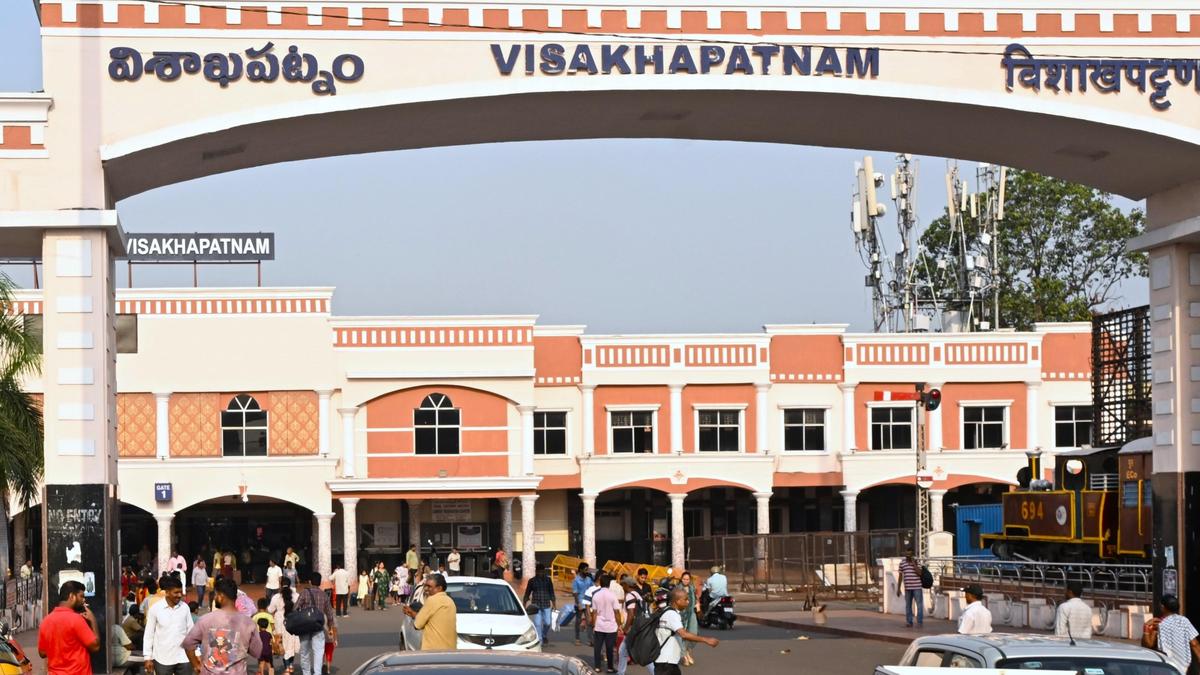
The Indian government has issued a formal gazette notification establishing the South Coast Railway Zone, confirming Visakhapatnam as the official headquarters. The new zone is scheduled to become operational on June 1, 2026, marking a significant shift in regional infrastructure management. This development follows years of administrative delays since the initial 2019 announcement, which was originally proposed to address logistical requirements following the 2014 bifurcation of Andhra Pradesh.
Operational Scope and Regional Integration
The new zone will consolidate control over the Guntakal, Guntur, and Vijayawada railway divisions. By centralizing these divisions under a Visakhapatnam-based headquarters, the government aims to streamline regional rail operations and improve administrative efficiency across these key Andhra Pradesh hubs. The transition is expected to alter the flow of capital expenditure and resource allocation within the southern rail network, as the new headquarters will now oversee the day-to-day operations and maintenance budgets for these specific divisions.
Administrative Momentum and Infrastructure Development
While the project remained in a planning phase for several years, administrative activity accelerated following the change in state leadership in 2024. The N Chandrababu Naidu-led government prioritized the zone's activation, providing the necessary political impetus to move the project from the planning stage to formal notification. This momentum was further solidified when Prime Minister Narendra Modi laid the foundation stone for the dedicated zonal headquarters building in Visakhapatnam last year, signaling that the infrastructure requirements are now being actively addressed to meet the mid-2026 deadline.
Economic and Logistics Implications
For regional logistics and industrial stakeholders, the establishment of a dedicated zone in Visakhapatnam provides a more localized point of contact for rail-related infrastructure projects. The concentration of three major divisions into a single, newly formed zone suggests a shift toward more specialized regional management. This could lead to faster decision-making regarding freight movement and terminal upgrades in the region, which are critical for the industrial corridors connected to these divisions.
Investors and regional analysts should monitor the upcoming budget allocations for the 2026-2027 fiscal year, as these will provide the first concrete look at the funding earmarked for the operational transition. The primary decision point for stakeholders will be the transition of personnel and administrative control from existing zones to the new headquarters in the months leading up to the June 1, 2026 launch. Any delays in the completion of the headquarters building or the transfer of divisional assets will serve as the first indicator of potential operational friction during the startup phase. For broader context on infrastructure-led growth, see stock market analysis.