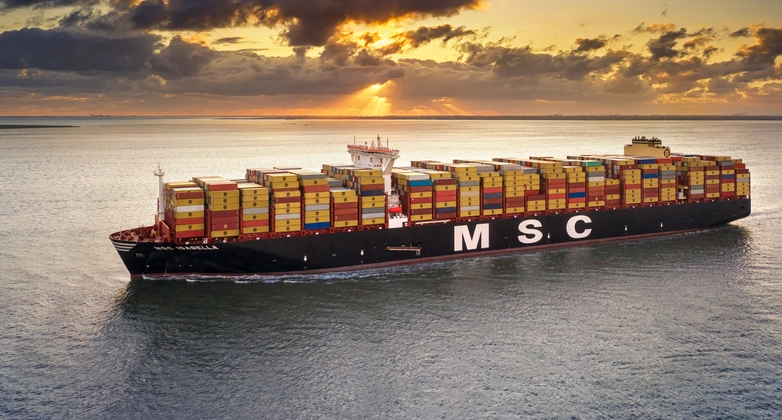
MSC has launched a new Europe-Red Sea-Middle East express service to capture rising freight demand. The move signals a strategic push to maintain trade flow.
Mediterranean Shipping Co. (MSC) has launched a new Europe-Red Sea-Middle East Express service, a strategic move to capture rising freight demand despite the ongoing volatility in the region. The service establishes direct maritime corridors between major European hubs and critical Red Sea entry points, specifically King Abdullah Port, Jeddah, and Aqaba. By streamlining these routes, MSC aims to provide more reliable access to delivery points across the Gulf Cooperation Council (GCC) countries.
This expansion is a direct response to shifting logistics requirements as global supply chains adjust to regional instability. While many carriers have been forced to reroute or consolidate services due to security concerns in the Red Sea, MSC is betting that dedicated, high-frequency express lanes can maintain throughput for essential goods. The move suggests that the company is prioritizing market share in the Middle East corridor, banking on the fact that demand for direct European connectivity remains inelastic even as operational costs rise.
For those tracking global logistics, this development serves as a proxy for how major carriers are managing the trade-off between risk and volume. The ability to maintain direct calls at Jeddah and Aqaba indicates a specific focus on maintaining supply chain integrity for GCC-bound cargo. This is a departure from the broader industry trend of simply avoiding the region, which has led to longer transit times and increased fuel consumption for vessels forced to navigate around the Cape of Good Hope.
Investors should consider the implications for regional trade efficiency. If MSC succeeds in maintaining consistent service levels on these routes, it could create a competitive advantage over peers who have pulled back capacity. The primary mechanism here is the utilization of specialized, high-demand lanes to offset the higher insurance and security premiums associated with Red Sea transit.
Market participants should watch for how this service impacts regional port congestion and whether other major shipping lines follow suit with similar express offerings. The success of this route will likely depend on the company's ability to navigate the evolving security landscape while keeping transit times competitive compared to longer, alternative routes. As global supply chains continue to face pressure, the performance of this specific express service will be a key indicator of whether the Red Sea remains a viable primary artery for European-Middle Eastern trade. For further context on how logistics shifts impact broader stock market analysis, monitoring the capacity utilization of major shipping firms remains a critical exercise in assessing global economic health. Future updates on service frequency or port additions will provide the next concrete marker for whether this expansion is a sustainable long-term strategy or a temporary tactical adjustment.
AI-drafted from named sources and checked against AlphaScala publishing rules before release. Direct quotes must match source text, low-information tables are removed, and thinner or higher-risk stories can be held for manual review.