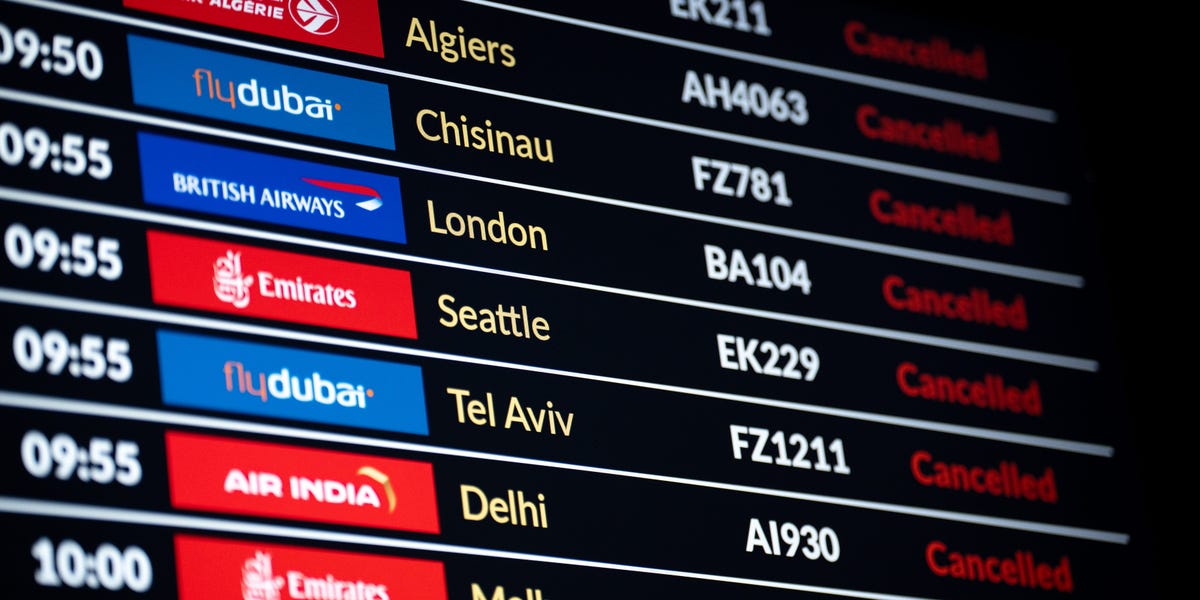
Dubai Airports is scaling up operations after a 66% traffic drop in March. The recovery hinges on clearing flight backlogs and stabilizing daily throughput.
Dubai Airports has officially initiated a ramp-up of flight operations following the full restoration of UAE airspace. This move marks a critical recovery phase for the hub after a severe operational disruption caused passenger traffic to plummet 66% during the month of March. The operator, which manages both Dubai International Airport (DXB) and Al Maktoum International Airport (DWC), is now shifting focus toward clearing the backlog of passengers and normalizing transit schedules that were previously paralyzed by the airspace closure.
The 66% decline in March serves as a stark reminder of the fragility of global aviation hubs when faced with localized airspace restrictions. For logistics and travel-dependent sectors, the sudden drop represents more than just a temporary dip in volume; it highlights the concentration risk inherent in high-traffic corridors. The restoration of full capacity allows the airport to resume its role as a primary global transit point, but the immediate challenge lies in the efficiency of the restart. The speed at which Dubai Airports can return to pre-March throughput levels will dictate the financial impact on regional carriers and the broader stock market analysis regarding tourism-linked equities.
The transition from a restricted state to full operational capacity creates a specific set of execution risks. While the airspace is technically open, the physical infrastructure of the airport must now process a surge of delayed flights alongside regularly scheduled traffic. This creates a bottleneck risk that could persist for several weeks. Investors tracking the aviation sector should look beyond the headline restoration of flights and focus on the normalized daily departure and arrival counts. If the recovery is uneven, it may signal underlying staffing or logistical constraints that could weigh on operational margins for the remainder of the quarter.
The 66% slump in March creates a low base effect for upcoming monthly comparisons, which may lead to outsized percentage growth figures in the near term. However, the true health of the recovery will be measured by the consistency of daily flight counts rather than year-over-year percentage gains. The restoration of the airspace is the primary catalyst for a return to normalcy, but the secondary catalyst will be the stabilization of ground handling and passenger processing times. Market participants should monitor the official throughput data from the airport authority over the next two weeks to determine if the recovery is sustainable or if the system remains prone to further volatility. The path forward remains tied to the airport's ability to maintain this restored capacity without further interruptions to the regional flight corridors.
AI-drafted from named sources and checked against AlphaScala publishing rules before release. Direct quotes must match source text, low-information tables are removed, and thinner or higher-risk stories can be held for manual review.