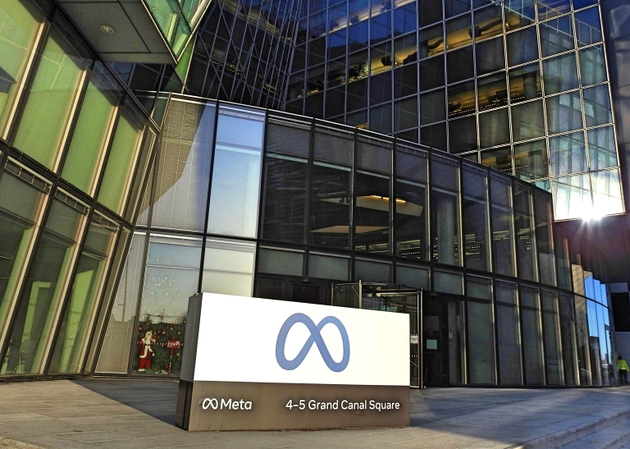
Meta Platforms lost a legal challenge at the European Union’s top court, opening the door to compensation claims from news publishers across the bloc. The Court of Justice of the European Union (CJEU) ruled in favor of the Italian Competition Authority, upholding an order that requires Meta to pay for using snippets of news articles on its platforms. The decision marks a regulatory setback for the social media giant, which had argued that short excerpts and links do not require licensing fees.
The Italian Order and the CJEU Ruling
The case originates from Italy’s implementation of the EU’s 2019 Copyright Directive. That directive grants publishers the right to demand payment when online platforms reproduce their content. The Italian regulator determined that Meta’s display of news snippets–headlines, thumbnails, and brief text–constituted use that required compensation. Meta contended that its practice fell under a “snippet exception.” The CJEU rejected that argument. The court found that even short excerpts can substitute for the original work, thereby triggering the obligation to pay.
Exposure: A Precedent for EU-Wide Claims
The ruling directly affects Meta’s operations in Italy, where it must now negotiate licensing agreements with publishers or face penalties. The financial exposure is not yet quantified. The precedent extends well beyond one country. Other EU member states with similar laws can now point to the CJEU’s decision when pursuing their own claims. Publishers in France, Germany, and Spain have already been pressing for payments, and this ruling strengthens their legal position.
- The CJEU ruling confirms that even short news snippets require compensation.
- Italy’s order now stands, forcing Meta to negotiate with publishers.
- Other EU countries can use the precedent to pursue similar claims.
- Meta’s user engagement could be affected if news content is reduced.
Shares of Meta were trading at $598.86, down 1.77% on the day, though broader market weakness also weighed on the stock. Meta’s Alpha Score of 58, a Moderate reading, reflects mixed technical and fundamental signals even before this legal setback. For broader context, see our stock market analysis. Track the stock’s reaction on the META stock page.
What Would Contain the Damage
Meta could proactively establish licensing frameworks with major publishers, turning a legal liability into a structured cost. The company has done this in Australia after a similar law was passed, and it could replicate that model in the EU. A clear, negotiated settlement would remove the uncertainty and cap the financial exposure. If the EU provides further guidance that narrows the scope of the directive, the risk would diminish.
What Would Escalate the Risk
A fragmented approach where each EU country imposes different fee structures would increase complexity and costs. If publishers demand retroactive payments or if fines are levied for non-compliance, the financial hit could be material. A broader interpretation of the ruling could extend beyond news snippets to other types of content, such as video previews or user-generated posts that include copyrighted material. That would multiply the compliance burden.
The next concrete marker is Meta’s response to the ruling and any disclosure of financial provisions in its upcoming quarterly filing. A failure to address the liability could weigh on sentiment. A swift licensing framework would contain the damage. Investors should monitor statements from Meta’s legal team and any announcements of publisher deals in the coming weeks.