Maryland Secures $2.2M Settlement Over Lead Paint Contamination at Broadcast Tower
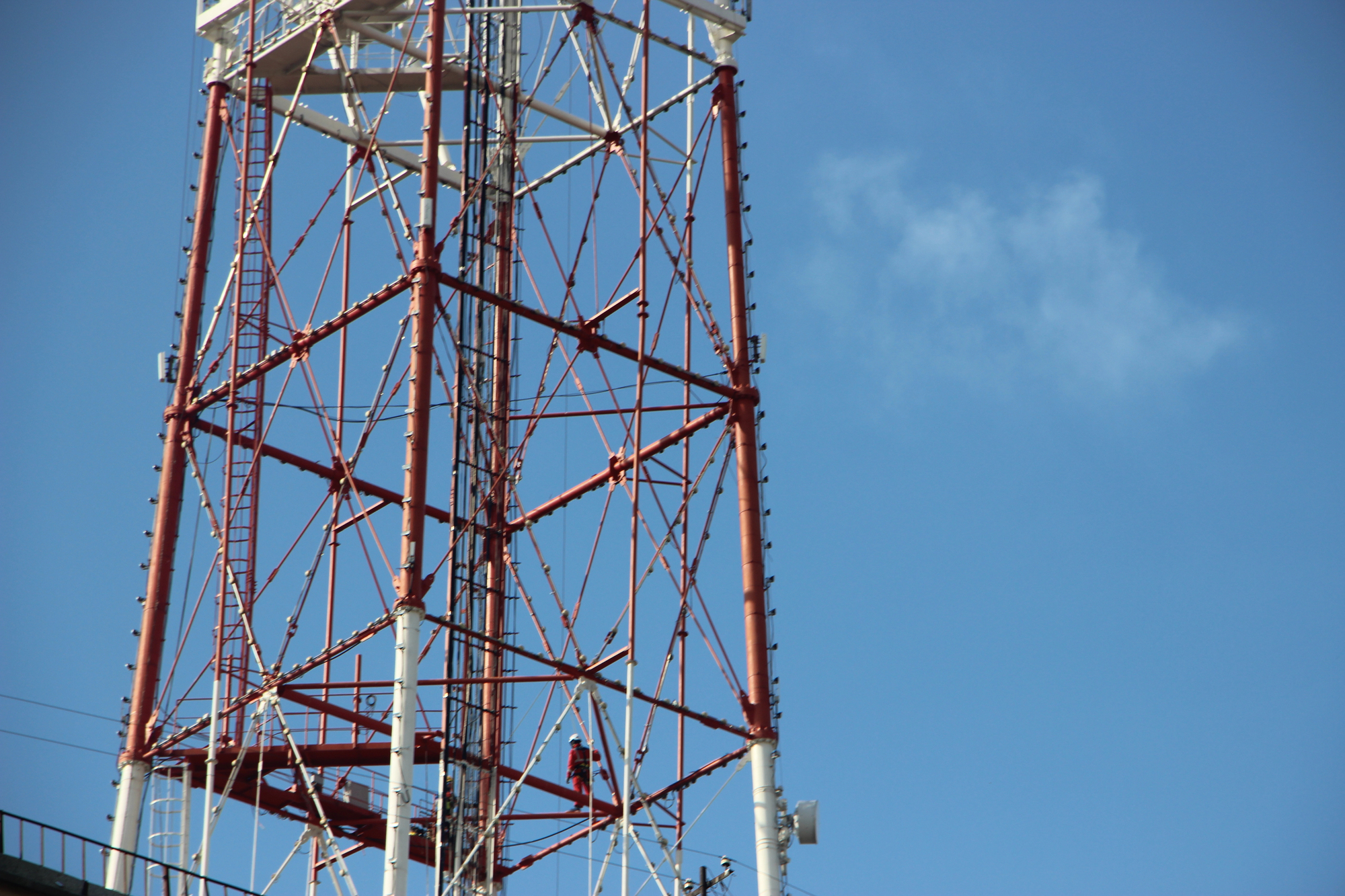
Maryland has finalized a $2.2 million settlement with a Baltimore broadcast tower owner and contractor following the release of lead-contaminated paint debris into the local environment.
Maryland officials secured a $2.2 million settlement from the owner of a Baltimore broadcast tower and its painting contractor after the parties allowed lead-contaminated paint chips and debris to contaminate the surrounding environment. The agreement resolves allegations that improper surface preparation and coating removal during maintenance work violated state environmental regulations, creating a persistent health hazard for nearby residents.
Settlement Breakdown and Environmental Impact
The state initiated action after inspections revealed that paint stripping operations at the site failed to contain hazardous materials. Lead exposure remains a critical regulatory focus in Baltimore, where aging infrastructure often complicates industrial maintenance. The settlement funds are earmarked for environmental remediation efforts and state-led lead abatement programs designed to mitigate the long-term impact of the contamination.
Failure to adhere to containment protocols during industrial coating projects creates significant liability for property owners and contractors. Lead-based paints, common in older broadcast infrastructure, require specialized handling under federal and state law. The $2.2 million figure reflects the scale of the cleanup required and the potential public health risk posed by the unauthorized release of particulate matter into the local community.
Market Implications for Industrial Maintenance
Traders monitoring the industrial services and infrastructure sectors should note that environmental compliance is no longer a peripheral cost. Stricter enforcement from state regulators increases the operating expenses for firms managing legacy assets. Companies unable to demonstrate rigorous adherence to environmental protocols face not only legal penalties but also project delays and reputational damage that can impact long-term contract viability.
- Regulatory Risk: State environmental agencies are increasingly using settlement data to benchmark enforcement actions against other regional industrial sites.
- Asset Management: Owners of legacy broadcast and utility infrastructure face rising insurance premiums as environmental liability risks are repriced to account for stricter state oversight.
- Remediation Demand: The focus on lead abatement continues to drive demand for specialized environmental consulting and cleanup firms, a niche segment within the broader infrastructure services market.
What to Watch
Market participants should watch for secondary effects on local construction and maintenance firms. When state regulators secure large settlements, it often signals a shift toward more aggressive site inspections in similar industrial zones. Infrastructure firms that fail to integrate environmental safety into their core operational workflow will likely see higher cost-of-capital as insurers demand more detailed risk disclosures.
Investors should monitor the broader industrial sector for signs of increased regulatory friction as state governments prioritize public health mandates over project speed. The cost of environmental negligence is rising, and firms lacking deep capital reserves to handle these liabilities are increasingly vulnerable to sudden balance-sheet shocks. The takeaway for the sector is clear: environmental compliance is now a primary determinant of operating margin stability.
AI-drafted from named primary sources (exchange feeds, SEC filings, named news wires) and reviewed against AlphaScala editorial standards. Every price, earnings figure, and quote traces to a specific source.