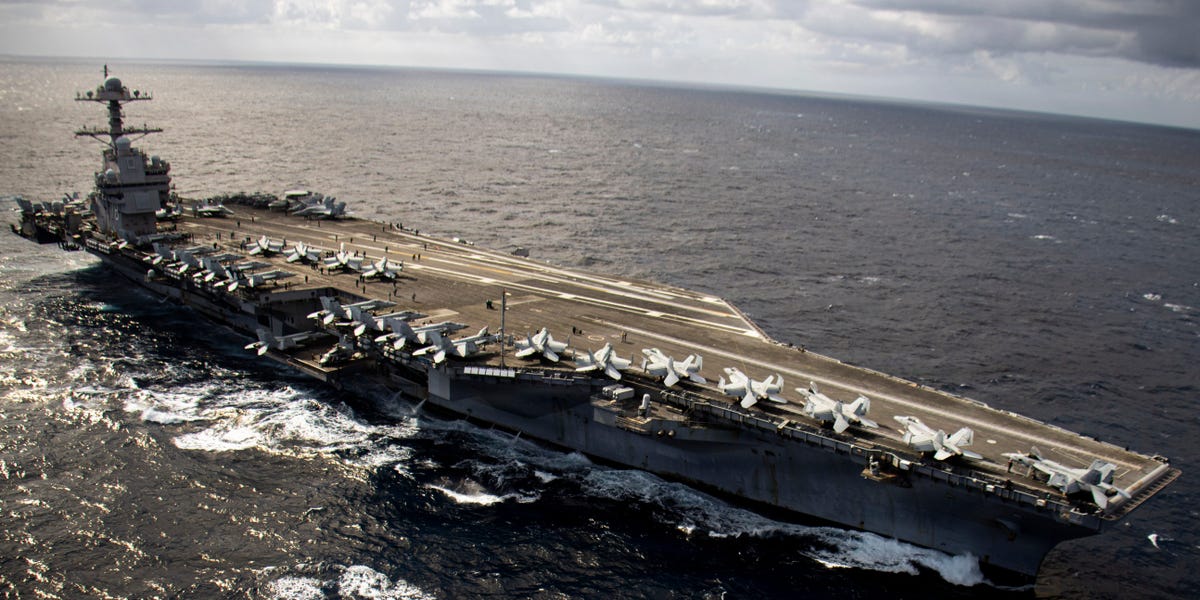
The USS Gerald R. Ford has returned from a nearly 10-month deployment, setting a new benchmark for endurance in the modern era of carrier strike group operations. The vessel spent the bulk of its time operating across critical maritime corridors, including transit zones near Venezuela and high-tension areas involving Iran.
Operational Strain and Maintenance Costs
The deployment was marked by more than just time at sea; it served as a crucible for the Navy’s most advanced carrier. The vessel encountered significant operational hurdles, including a serious shipboard fire and the persistent stresses of continuous combat readiness. For the defense sector, these extended rotations underscore the rising costs of platform maintenance and the accelerated wear on hardware that occurs when ships are kept on-station far beyond traditional six-month deployment cycles.
- Total Deployment Duration: Nearly 10 months
- Key Operational Theaters: Venezuela and Iran-proximate waters
- Primary Challenges: Combat engagement, shipboard fire incidents, and extended mechanical strain
Market Implications for Defense Contractors
Investors tracking the defense sector, particularly companies like Huntington Ingalls Industries (HII) and Lockheed Martin (LMT), should monitor how these extended deployments influence future procurement cycles. When carriers are pushed to their limits, the immediate result is an increased demand for maintenance, repair, and overhaul (MRO) services. The operational tempo of the Gerald R. Ford suggests that the Navy will likely need to accelerate its maintenance schedules or increase budget allocations for mid-cycle refits.
"The Gerald R. Ford aircraft carrier has faced combat, a serious shipboard fire, and other challenges over a record-breaking deployment."
Traders should also note the broader impact on the crude oil profile. Prolonged carrier presence in the Persian Gulf and surrounding areas is a classic signal of geopolitical risk management. While the market often prices in these events quickly, sustained naval presence acts as a floor for risk premiums in the energy sector during periods of regional instability.
What to Watch
Market participants should watch for upcoming defense budget appropriations. Any shift toward prioritizing fleet expansion over maintenance of existing platforms will have distinct winners among prime contractors. Furthermore, monitor the timeline for the next carrier cycle, as the wear-and-tear data from this 10-month stint will inevitably shape the technical requirements for future fleet architecture.
The real cost of this deployment remains the deferred maintenance that now requires immediate attention, ensuring that the next cycle of defense spending remains heavily weighted toward sustainment and technical readiness.