Stocks● Neutral
Amalfi Coast Investors Pivot to Secondary Markets Beyond Positano
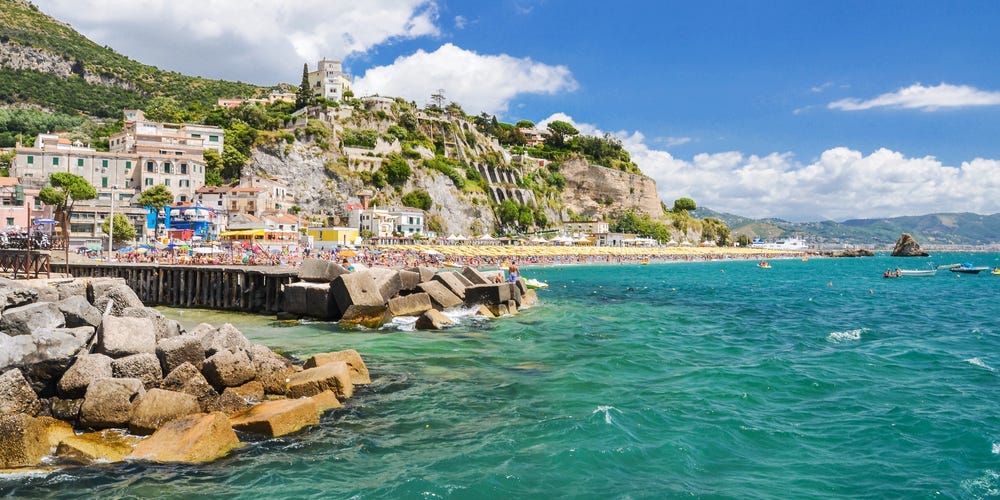
Capital is rotating toward Vietri sul Mare and Cetara as luxury hubs reach saturation. Monitor local infrastructure spending for emerging value premiums.
Continue with
The Shift from Premium Hubs to Secondary Markets
Positano has reached a saturation point regarding visitor capacity, forcing a shift in tourist flows toward lesser-known municipalities along the Amalfi Coast. Long-term residents now advocate for stays in Vietri sul Mare, Minori, and Cetara to avoid the logistical bottlenecks and price premiums associated with the region's primary tourist hubs. This trend highlights a broader micro-economic shift in luxury travel, where value-seeking travelers are rotating toward secondary locations to capture lower costs and higher service quality.
Economic Implications for Local Hospitality
For investors and operators, the concentration of capital in Positano creates a distinct risk profile during peak seasons. Towns like Vietri sul Mare—known for its ceramics industry—and Cetara—a traditional fishing village—offer more stable cost structures for property management. The move away from hyper-congested zones suggests that the hospitality sector is reaching a ceiling in the primary markets, opening arbitrage opportunities in towns that have historically seen less institutional investment.
| Location | Primary Economic Driver | Market Position |
|---|---|---|
| Positano | Luxury Hospitality | Saturated/High Cost |
| Vietri sul Mare | Ceramics/Manufacturing | Growth/Value |
| Cetara | Fishing/Culinary | Niche/Experiential |
| Minori | Local Tourism | Accessible/Mid-tier |