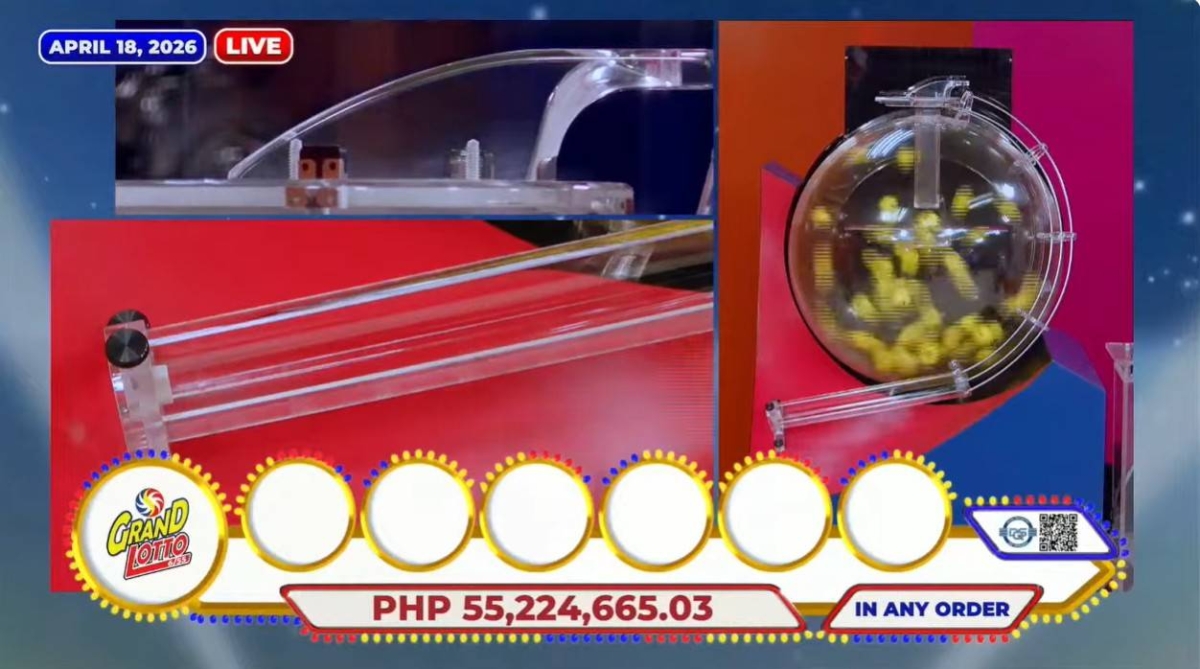
The absence of jackpot winners in the Grand Lotto 6/55 and Lotto 6/42 draws on Saturday night marks a continuation of the current rollover cycle for the Philippine Charity Sweepstakes Office. When major lottery draws fail to produce a winner, the cumulative prize pool increases, which historically shifts the behavior of casual participants. This mechanism creates a temporary surge in ticket volume as the perceived value of the potential payout rises relative to the fixed cost of entry.
Impact on Retail Traffic and Discretionary Outlays
The lottery sector functions as a barometer for small-scale discretionary spending. While these draws are localized, the sustained rollover of high-value jackpots often correlates with increased foot traffic at retail outlets that host lottery terminals. This activity provides a minor but consistent boost to convenience store revenue and foot traffic in urban centers. Retailers often benefit from the cross-selling opportunities presented when individuals visit specifically to purchase tickets.
For investors monitoring consumer behavior, the lottery cycle serves as a proxy for how households allocate small amounts of liquid cash. When jackpots remain unclaimed, the recurring nature of these draws forces a consistent, albeit small, drain on consumer wallets. This behavior is distinct from broader trends in stock market analysis, where capital allocation is driven by institutional sentiment and macroeconomic indicators rather than speculative retail participation.
Structural Links to Consumer Sentiment
Lottery participation remains a resilient category of spending even during periods of economic contraction. Unlike luxury goods or large-scale technology investments like those seen in NVIDIA profile, lottery tickets represent a low-barrier entry into speculative activity. The lack of a winner in the latest 6/55 and 6/42 draws ensures that the upcoming prize pools will be larger, effectively resetting the incentive structure for the next round of participants.
AlphaScala currently tracks various sectors for volatility and growth, including the technology segment where ON (ON Semiconductor Corporation) holds an Alpha Score of 40/100 and a Mixed label. While lottery outcomes do not directly influence semiconductor demand, they highlight the persistent nature of retail speculative interest. The following list summarizes the current state of the lottery cycle:
- Grand Lotto 6/55: Jackpot remains unclaimed, triggering a higher rollover amount for the next draw.
- Lotto 6/42: No winning combination identified, maintaining the current prize growth trajectory.
- Retail Impact: Anticipated increase in ticket sales volume ahead of the next scheduled draw date.
The next concrete marker for this narrative is the announcement of the updated jackpot figures for the upcoming week. Investors should monitor whether the increased prize pools drive a measurable uptick in retail-adjacent revenue metrics or if participation plateaus despite the higher potential payout. The PCSO will confirm the new prize amounts in the next official filing, which will serve as the primary catalyst for the next cycle of consumer engagement.