Low-income households in London pay more than £600 a year extra for the same goods and services as wealthier neighbours, according to a study by Fair by Design, funded by Trust for London. The so-called poverty premium hits families in Peckham hardest, where the average annual surcharge is £493, rising above £600 in the worst-affected parts of the capital.
Manny Hothi, chief executive of Trust for London, said regulators should take into account how their markets affect people in poverty. "It's vital to end the unfairness of people having to pay more because they pay monthly or don't sign up to direct debit," he said.
The single biggest driver is food shopping. 39% of low-income families rely on local convenience stores rather than larger supermarkets with competitive pricing, the report found. That gap alone accounts for a large share of the premium.
Energy and insurance systems also penalise the poorest, even after recent regulatory changes. Prepayment meter users pay £129 more a year than households on competitive fixed direct debit tariffs. Drivers in deprived postcodes face an average £153 extra on motor insurance.
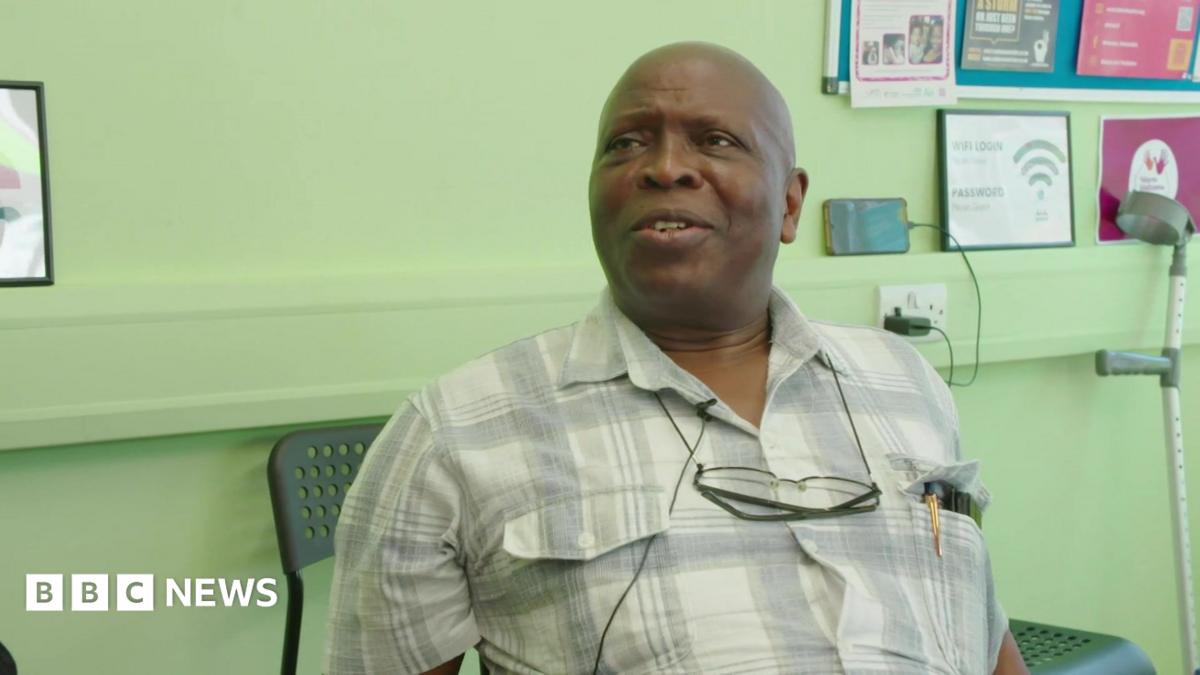
At a free cafe in Peckham run by the charity Pecan, visitor Josiah Lahai said he goes to the supermarket and finds items he wants. He cannot afford them. Doreen Davies, community engagement officer at Pecan, said soaring local rents are forcing some families to leave established networks and move "as far as up north."
Labour MP for Peckham Miatta Fahnbulleh described Pecan as an "amazing charity" and agreed that "the cost of living is biting." She pointed to a £150 energy bill reduction and a £39bn investment in social and affordable housing as measures to ease pressure.
Conservative MP Julia Lopez said energy bills had risen and the state of the public finances was in an "unsustainable position." She criticised London's housing record, claiming housing starts have fallen 84% under Mayor Sadiq Khan. "I'm not entirely sure what their policy is. I suspect it involves spending a lot of money," she added.
The study's findings point to a sustained pressure on household budgets that could slow upgrade cycles and subscription growth for consumer discretionary companies like Apple (AAPL), which generates significant revenue from services and hardware upgrades in the UK. The £600 annual premium is equivalent to roughly one month of an Apple Music family subscription or a significant portion of an iPhone upgrade cost for a low-income household.
A government spokesperson said ministers were "determined to turn the tide on poverty after years of rising hardship" and that policies were working. The spokesperson cited a £1bn crisis and resilience fund, including nearly £150m for London's local authorities. "Our recent statistics show that effort is beginning to make a difference. Household incomes have risen 5% in real terms. Food bank usage has fallen," they said.
The spokesperson also highlighted the removal of the two-child benefits limit, affecting roughly 240,000 children in 65,000 London households, and the minimum wage increase.