Regulatory Enforcement Begins
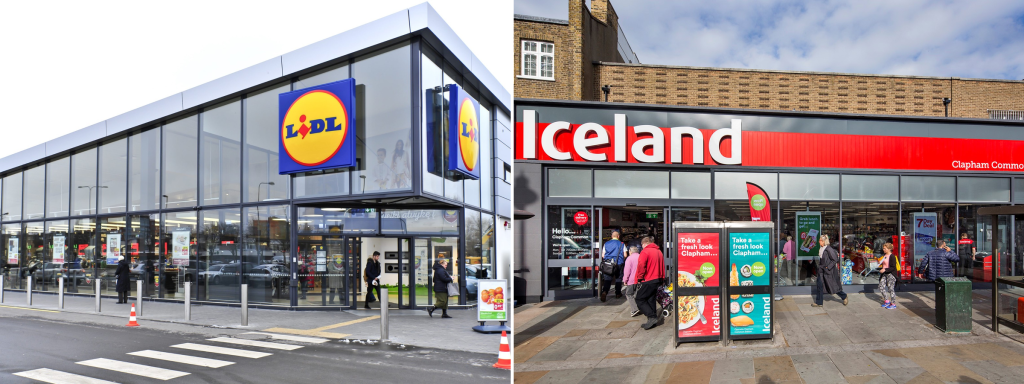
Lidl and Iceland have become the first major retailers to face formal advertising bans under the UK's new regulatory regime targeting high-fat, salt, and sugar (HFSS) products. The Advertising Standards Authority (ASA) ruled that recent campaigns from both supermarket chains violated the strict promotional guidelines that took effect on 5 January.
The regulations prohibit the broadcast of advertisements for HFSS-classified goods on television. By failing to align their creative strategy with these updated compliance standards, both retailers have seen their campaigns pulled from the airwaves. This marks the first time the ASA has exercised its enforcement power against major grocery chains under the new framework.
Impact on Retail Strategy
For supermarkets like Lidl and Iceland, which rely heavily on volume-driven promotions of processed and convenience goods, these rules represent a permanent shift in marketing overhead. Retailers must now curate their broadcast presence to avoid items that trigger the HFSS classification. This creates a binary choice for marketing departments: either pivot to broad brand-level messaging or shift budget toward digital channels where enforcement is currently less restrictive than on linear TV.
"The Advertising Standards Authority said ads from the two supermarkets breached regulations introduced on 5 January, which ban HFSS products from being advertised on TV."
Market Implications for Grocery Stocks
Traders should monitor how this regulatory pressure affects share prices for major UK grocery players. While the current bans target Lidl and Iceland directly, the broader implications affect publicly traded entities in the space, such as Tesco (TSCO), Sainsbury's (SBRY), and Ocado (OCDO). Increased compliance costs and the forced reduction of promotional "junk food" visibility on high-reach platforms like television may compress margins for retailers that rely on high-margin, processed food sales.
- Higher Compliance Costs: Legal and creative teams are now mandatory overheads for all campaign launches.
- Channel Migration: Expect a surge in spend within digital and social media advertising, potentially inflating customer acquisition costs (CAC) in those segments.
- Product Mix Shifts: Retailers may prioritize the promotion of "healthier" house-brand alternatives to circumvent the HFSS restrictions.
What to Watch
Investors should keep an eye on upcoming quarterly commentary from listed retail firms regarding their advertising expenditures and any potential impact on top-line sales growth. If the ASA continues to issue bans, the cost of "re-learning" compliance for these firms will likely show up in SG&A expenses. Furthermore, any indication that the government plans to extend these bans to digital platforms would be a significant negative catalyst for the sector, as it would severely limit the reach of promotional campaigns for the most profitable items in the grocery basket.
Compliance risk is now a permanent fixture in the UK retail sector, and the margin of error for marketing teams has effectively vanished.