Stocks● Neutral
Russia's Day-and-Night Barrage Raises Defense Urgency and EU Energy Risk
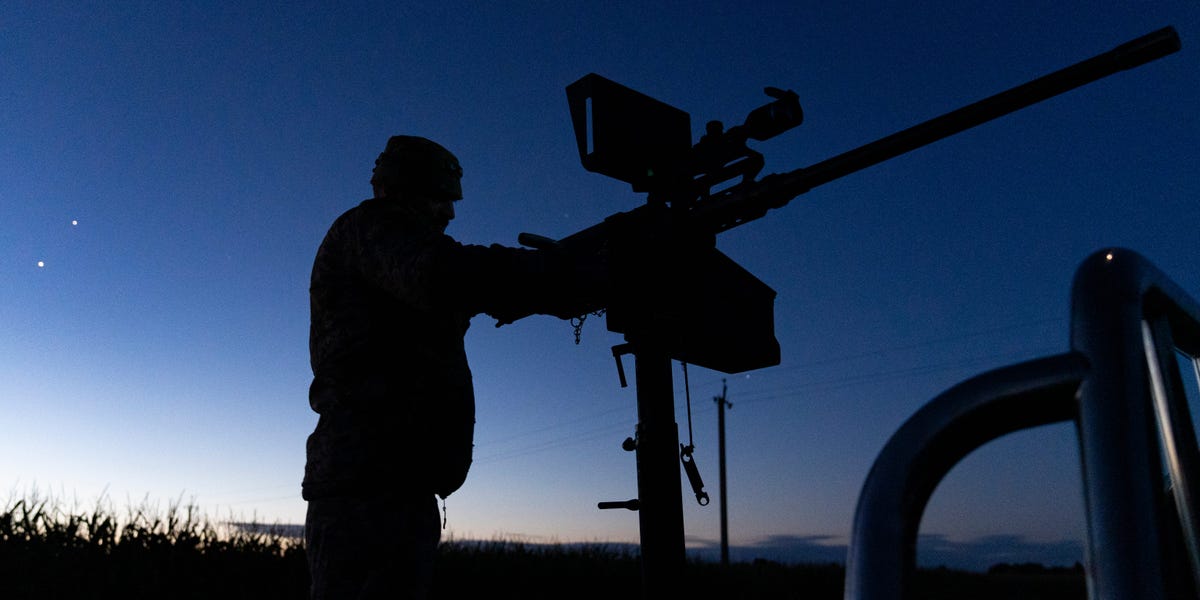
The shift from nighttime-only strikes to a rolling 24-hour assault raises the urgency for Western restocking of air defense interceptors, with a NATO meeting looming as the next catalyst.
Continue with
Russia launched an unusual daytime drone attack across Ukraine that later transitioned into overnight ballistic missile fire, Business Insider journalists reported from a Kyiv bomb shelter. This two-phase operation departs from Moscow’s typical night-only unmanned strikes, signaling an intent to sustain pressure across a full 24-hour cycle. The new operational tempo resets the near-term risk premium for assets tied to stock market analysis across European security and energy supply. The simple read is a reflexive bid for defense shares. The better read focuses on the specific supply-chain stress that this pattern creates.
The Attack Pattern Shift: Daytime Drones, Night Missiles
The sequence began with waves of drones during daylight, a departure from Russia’s standard practice of launching unmanned aerial vehicle (UAV) strikes only after dark. As night fell, ballistic missiles followed. The two-phase design suggests a deliberate attempt to stretch Ukraine’s air defenses across a full 24-hour cycle, testing both system endurance and stockpiles of interceptor missiles supplied by Western allies.
Daytime drone raids force Ukraine to expend expensive munitions around the clock. The burn rate of missiles for ground-based air defense systems accelerates, and every interceptor fired at a cheap Shahed drone is a high-cost trade that depletes inventory. That depletion rate translates into a direct demand signal for the governments that must replenish those stockpiles, and for the manufacturers that build the systems.
Defense Restocking: Why Multi-Year Contracts Could Accelerate
European NATO members are already boosting orders for ground-based air defense. A high-visibility attack combining drones and ballistic missiles strengthens the political case for faster multi-year contracts. Several factors connect this attack to defense contractor order books:
- The accelerated burn rate of expensive interceptors compels rapid replenishment orders.
- Political leaders face pressure to announce new air defense pledges, which tend to materialize as multi-year supply contracts.
- Production lines for solid rocket motors and guidance sections are running near capacity. Even modest demand increases can force governments to accelerate multi-year procurement timelines.