Stocks● Neutral
Landbridge Legal Claim Tests Sovereign Security Powers
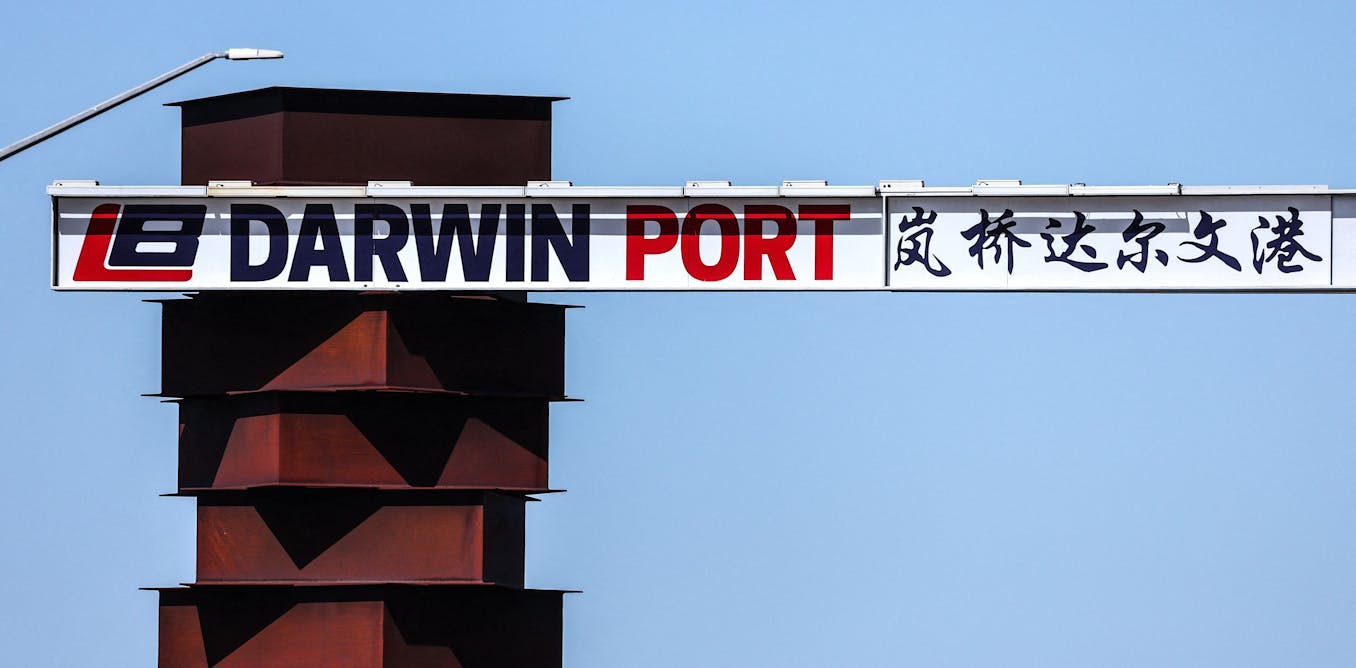
Landbridge’s A$506 million port dispute signals a new era of legal risk for governments using security to force divestments from foreign-owned assets.
Continue with
The escalation of Landbridge Group’s legal challenge against the Australian government marks a critical shift in how Chinese-owned entities leverage international arbitration to contest national security-driven divestments. By initiating proceedings at the International Centre for Settlement of Investment Disputes (ICSID), Landbridge is challenging the Albanese government’s commitment to return the Port of Darwin to Australian ownership. This move transforms a domestic political promise into a complex international trade dispute, potentially setting a precedent for how sovereign states balance national security imperatives against the financial protections afforded to foreign investors under bilateral trade agreements.
The Mechanism of the Dispute
Landbridge secured the 99-year lease for the Port of Darwin in 2015 for A$506 million. While the deal was initially sanctioned by the Northern Territory government and faced no formal federal opposition at the time, the strategic nature of the port—frequently used by rotating US Marine contingents—has since become a focal point for security hawks. The company’s current claim rests on the assertion that the government’s push for a forced sale is discriminatory and violates the China-Australia Free Trade Agreement. By utilizing the ICSID, an institution established in 1966 to mediate investor-state disputes, Landbridge is seeking to bypass domestic courts and force an independent arbitration panel to evaluate the legitimacy of the government’s intervention.
Valuation and Compensation Risk
For investors, the core risk lies in the potential for these tribunals to award significant financial damages. Landbridge argues that the government’s actions are arbitrary, particularly given that previous security reviews did not identify a specific risk. If the tribunal sides with the company, the compensation package could extend well beyond the initial A$506 million investment. It could encompass the present value of the lease plus projected future earnings forfeited due to the forced exit. This creates a tangible financial liability for the state, which may force governments to weigh the cost of national security actions against the fiscal impact of potential litigation payouts.