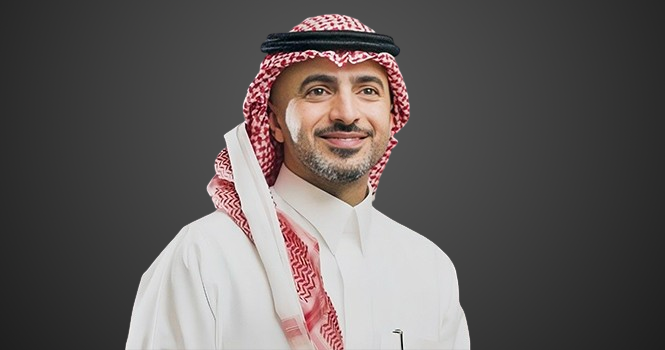
Alsaif Gallery is signaling a shift in its core business model, moving away from aggressive top-line expansion toward a strategy anchored in margin preservation and operational discipline. CEO Ahmed AlSultan recently confirmed that the company expects its positive performance to persist into Q2 2026, even as it navigates persistent headwinds in global supply chains and elevated logistics costs. For investors, the distinction here is critical. The company is explicitly prioritizing sustainable profit growth over the raw revenue growth that often characterizes retail expansion phases. This pivot suggests that management is attempting to insulate the bottom line from the volatility of consumer spending cycles by tightening internal controls.
Operational Efficiency and Margin Quality
The reported improvement in earnings quality is not merely a function of seasonal tailwinds. According to AlSultan, the recent profit gains are primarily attributable to three levers: operational efficiency, a refined product mix, and disciplined cost management. By focusing on these internal metrics, Alsaif Gallery is attempting to decouple its financial health from the broader macroeconomic environment. The company's ability to maintain these margins in the face of rising logistics costs will be the primary test of this strategy. If the company can successfully offset these costs through better inventory management and sourcing diversification, it may demonstrate a level of resilience that its competitors lack. Investors should look for evidence of this in future margin reports, specifically whether the cost-to-revenue ratio remains stable as the company scales its digital operations.
Digital Integration as a Margin Buffer
Alsaif Gallery is leaning heavily into its omnichannel model to drive growth, with e-commerce emerging as a central pillar of its strategy. The integration of physical stores with digital platforms has allowed for more efficient inventory management and faster fulfillment cycles. This is not just a customer-facing improvement; it is a structural change designed to reduce the overhead associated with traditional retail. By broadening its customer base through online channels, the company is effectively lowering its customer acquisition costs while simultaneously increasing the velocity of its inventory turnover. The success of this model depends on the seamless integration of logistics, which remains a core strategic focus. If the company can continue to improve its order management efficiency, it will likely see a reduction in the friction that typically plagues retail operations during periods of high demand.
Consumer Demand and Seasonal Normalization
While the company experienced a boost in sales during the Ramadan period, AlSultan emphasized that the growth is not entirely dependent on seasonal peaks. The market typically experiences a slowdown following this period, yet Alsaif Gallery reports that demand levels remain solid. This resilience is being supported by a combination of product diversity, strategic pricing, and targeted marketing campaigns. The company's ability to maintain this momentum suggests that its current product mix is well-aligned with consumer preferences. However, the real test will be whether this demand holds steady without the artificial stimulus of seasonal events. The company is responding to this potential slowdown with increased flexibility, focusing on stimulating demand through its digital channels. For those tracking the stock market analysis of retail firms, the ability to sustain demand during non-peak periods is a key indicator of brand strength and market positioning.
Strategic Risks and Future Performance
The primary risk to this thesis remains the external pressure from supply chain disruptions and the rising cost of logistics. While management is attempting to diversify its sourcing, these are macro-level challenges that are often outside of the company's direct control. If logistics costs continue to climb, the company's ability to maintain its current margin profile will be severely tested. Furthermore, the reliance on digital growth requires constant investment in user experience and infrastructure, which could weigh on cash flow in the short term. Investors should monitor whether the company can continue to fund these digital initiatives through operational cash flow rather than taking on additional debt. The long-term success of Alsaif Gallery will depend on its ability to balance these capital expenditures with the need for consistent, sustainable profit growth. If the company can prove that its operational improvements are structural rather than temporary, it may provide a more stable investment profile compared to retail peers that are still struggling with the transition to omnichannel models.