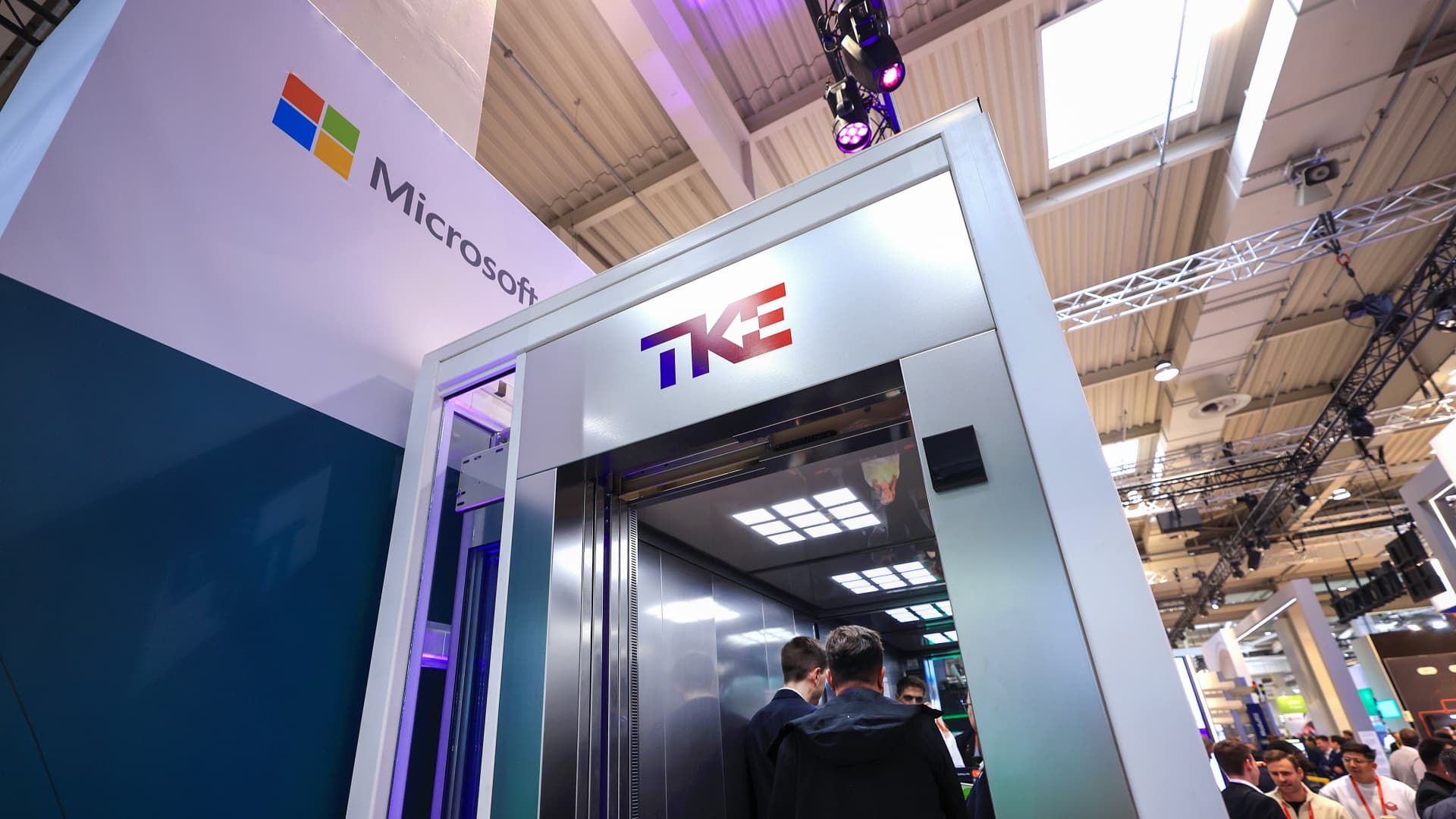
Finland’s Kone has initiated a $34.4 billion acquisition of its German rival, TK Elevator, creating the world’s largest entity in the elevator and escalator manufacturing sector. This consolidation represents one of the most significant industrial takeovers in Europe in recent years and fundamentally alters the competitive structure of the global building services market.
Consolidation in the Industrial Infrastructure Sector
The merger combines two of the primary players in a sector defined by long-term maintenance contracts and urban infrastructure demand. By integrating TK Elevator, Kone gains substantial scale and a broader footprint in key European and international markets. The scale of this transaction suggests a strategic shift toward capturing greater market share in high-density urban development, where elevator and escalator systems serve as essential components of commercial and residential architecture.
This deal arrives at a time when industrial firms are increasingly looking to consolidate to offset rising material costs and supply chain complexities. The combined entity will likely leverage its expanded service network to secure more lucrative, long-term maintenance agreements, which typically provide stable, recurring revenue streams regardless of broader economic cycles. The integration process will now focus on harmonizing manufacturing operations and streamlining the combined global service workforce.
Market Read-Through and Technology Integration
Modern elevator systems are increasingly reliant on digital integration and smart building technology. As seen in recent trade fair demonstrations, such as the Hannover Messe 2026, the intersection of industrial hardware and software solutions from companies like MSFT has become a focal point for infrastructure providers. The ability to manage vertical transportation through cloud-based diagnostics and predictive maintenance is a primary driver for efficiency in this sector.
For investors monitoring the broader technology and industrial space, the merger highlights the premium placed on companies that can successfully bridge the gap between heavy machinery and digital optimization. While ON continues to navigate the semiconductor landscape, the industrial sector remains a distinct area of focus for capital allocation. AlphaScala data currently shows MSFT with an Alpha Score of 65/100, reflecting its role as a foundational technology partner for large-scale industrial enterprises.
The Path Toward Regulatory and Operational Integration
With the deal valued at $34.4 billion, the focus now shifts to the regulatory approval process across multiple jurisdictions. Antitrust authorities will likely scrutinize the combined market share in specific European regions where both firms have historically held dominant positions. The success of this merger depends on the ability of the combined management team to navigate these regulatory hurdles while maintaining service continuity for existing clients.
Beyond regulatory clearance, the market will monitor the integration of the two distinct corporate cultures and the potential for cost synergies. The next concrete marker for this transaction will be the formal filing of merger documentation with European competition regulators, which will provide further clarity on the timeline for completion and any potential divestitures required to satisfy antitrust concerns. This event serves as a critical test for the feasibility of large-scale industrial consolidation in the current regulatory environment.